




Croatia’s Constitutional Court has rejected the appeal of Serbian citizen M.P., making final the decision denying him a residence and work permit in Croatia, while also imposing a three-year ban on entering and staying in the country, Index.hr reports.
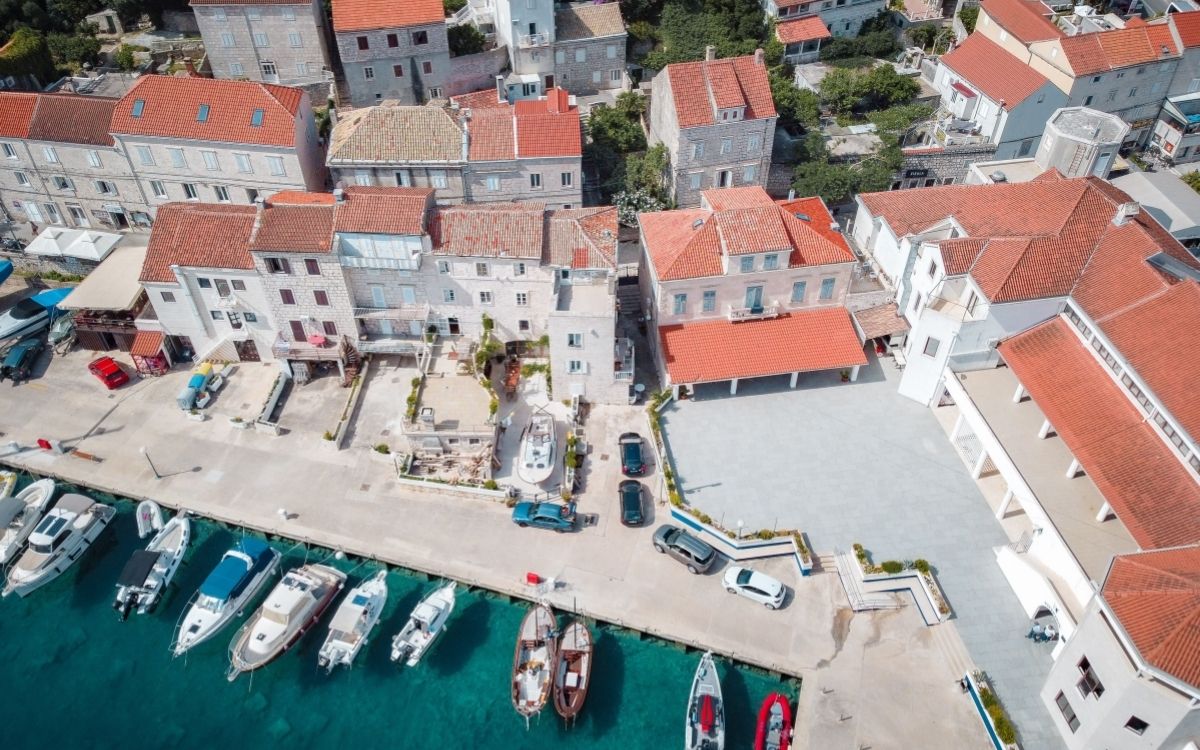
At the end of 2019, M.P. applied for a residence and work permit to work as an assistant waiter in the tourism sector on the island of Korčula. However, the Croatian Ministry of the Interior rejected his application following a security assessment conducted by the Security and Intelligence Agency (SOA).
In its assessment, the SOA concluded that M.P. posed a threat to national security and public order and recommended that he be expelled from Croatia, the portal reports.
Based on that assessment, the police refused to issue him a work permit, ordered his deportation, gave him seven days to leave the country voluntarily, and imposed a three-year ban on entering and residing in Croatia.
According to the explanation of the decision, the security assessment was based on information indicating that M.P. had published content on social media (Instagram) in which, according to the Croatian authorities, he threatened violence against the territorial integrity and constitutional order of the Republic of Croatia from what they described as a Greater Serbian nationalist standpoint. The competent authorities concluded that such posts could provoke ethnic tensions and disrupt public order.
READ MORE:
He Appealed, Constitutional Court Rejected the Claim
During the proceedings, M.P. argued that he did not pose a threat to national security, challenged the legality of the actions taken by the police and the SOA, and maintained that he had not been granted access to all the information on which the security assessment had been based.
The Constitutional Court rejected his arguments. It concluded that the administrative authorities and the courts had sufficient grounds to deny his residence and work permit application, and that the applicant had been informed of the reasons why he had been declared a security threat and had been given the opportunity to respond to them.
The court also ruled that the fact that part of the SOA’s information was classified and not publicly available did not violate his right to a fair trial, since the administrative courts had access to the classified material and relied on it in upholding the Ministry of the Interior’s decisions.
With this ruling, the Constitutional Court upheld the earlier judgments of the Administrative Court in Split and the High Administrative Court, which rejected M.P.’s application for a work permit and confirmed his deportation from Croatia.
MORE TOPICS:
SILVER SHINES LIKE GOLD: Little eagles defeated by host Slovenia in the European Championship final!
Source: N1; Foto: Pexels
 Add Serbian Times as your Google source