




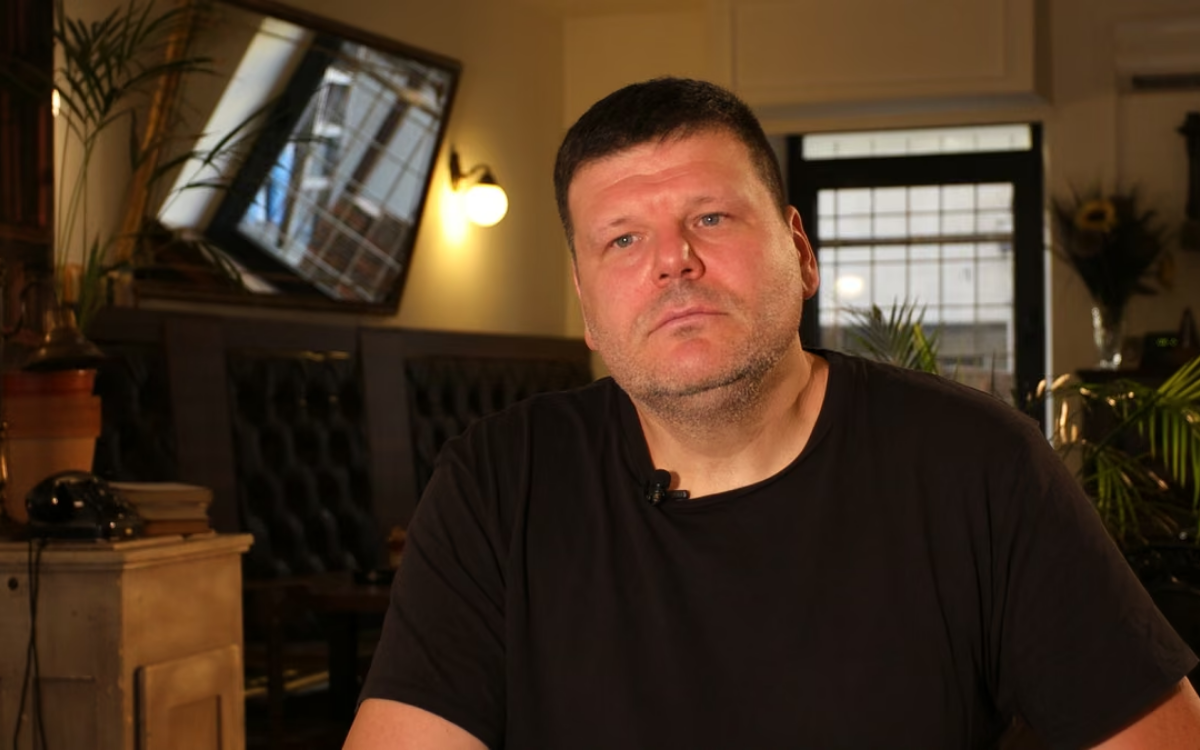
When he publicly spoke out in 2018 about the conditions in which residents of the Sremčica Institution for Children and Young People were living, special education specialist Petar Vladetić did not know that his warnings would turn into a years-long struggle for the right to speak about what he considered an injustice. After being dismissed twice, enduring lengthy court proceedings and spending more than six years away from his workplace, his story raises questions about accountability for protecting the most vulnerable.
Before speaking publicly about the problems, Vladetić and 15 other special education specialists had warned the management about the consequences of changes to the organization of work. Several months later, following the death of a 23-year-old resident, he publicly made allegations about conditions at the institution, pointing to overcrowding, staff shortages, poor hygiene and inadequate care for residents. According to his testimony, there were not enough employees to help residents even with basic daily activities, while their individual needs were being neglected.
Shortly after speaking out publicly, Vladetić lost his job. In the explanation for his first dismissal, in 2018, then-director Gordana Ković stated that his media statements had damaged the institution’s reputation, alongside other allegations concerning his work. Vladetić disputed these claims and initiated proceedings to protect his rights. Through the courts, he secured whistleblower protection and reinstatement.
However, his struggle did not end there. In 2020, he was dismissed again, despite his whistleblower status. He made further allegations about conditions at the institution, describing them as inhumane and undignified. According to him, residents had spent two years without a proper toilet or adequate accommodation, while insufficient facilities for maintaining hygiene made daily life even more difficult. He particularly drew attention to cardboard barriers that had stood in place of windows for months.
He also claimed that some rooms had structural damage and exposed installations, while staff shortages had reduced professional work with residents to basic care.
A significant moment in the case came in April 2021, when the Ethics Committee of the Chamber of Social Protection issued a public reprimand to the institution’s director, Marina Vidojević, for violating the professional code of conduct.
The same decision dismissed the institution’s complaint against Vladetić as unfounded. This decision represented an important step in the years-long dispute, but it did not, in itself, mean that all his allegations about conditions at the home had been confirmed.
For more than six years, Vladetić pursued ten court cases in an effort to protect his rights and return to work. Although court rulings secured his whistleblower protection and reinstatement, he claims that in practice he was prevented from continuing his job. A prolonged legal battle, professional consequences and deteriorating health marked the years during which he refused to stop drawing attention to problems at the institution.
Petar Vladetić’s story is one of four featured in the documentary film The Price of Integrity, directed by Jovana Maletić. The film also presents the experiences of Dr. Borko Josifovski, who raised concerns about abuses at the Belgrade Emergency Medical Service; Ranka Kašiković, who resisted political pressure in the workplace; and Katarina Petrović, a police officer who made information about a traffic accident involving the godfather of Serbia’s president available to the public.
Four people, four different stories and the same question: What happens when you decide not to remain silent about something you believe is wrong? Their experiences reveal the professional and personal consequences of such a decision, but also the perseverance of people who refuse to abandon their convictions despite the pressure.
MORE TOPICS:
Source: Dokumentarni film „Cena obraza“, autorke Jovane Maletić na TV Nova. Foto: Nova Printscreen
 Add Serbian Times as your Google source