




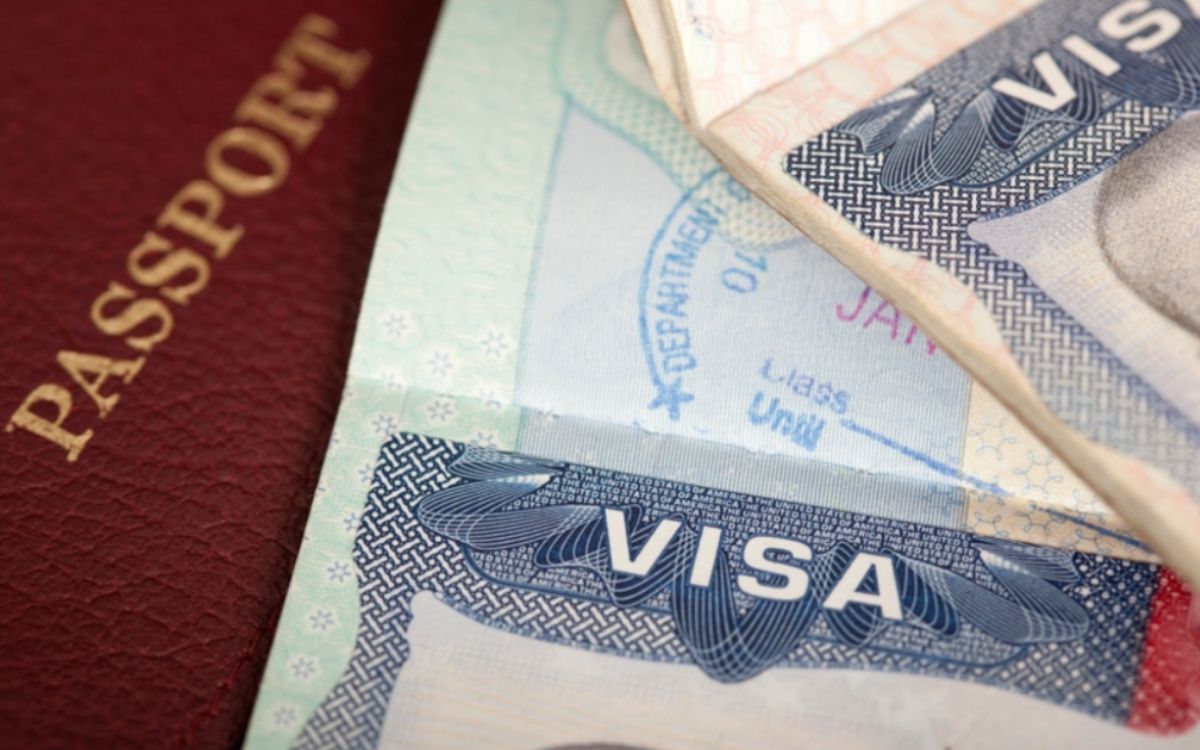
[The United States] is introducing sweeping changes to its immigration system that will directly affect hundreds of thousands of people residing in the country on temporary visas, including students, exchange program participants and foreign media workers, as well as many Serbian citizens living and working in the U.S.
The U.S. Citizenship and Immigration Services (USCIS) has officially announced that, starting September 15, it will introduce completely new forms (I-539 and I-765) for extending stays and issuing work permits. Anyone who submits the old versions of the documents after this date will be automatically rejected. Unlike previous practice, there will be no transition period this time.
End of the system with no fixed expiration date
The change is part of a broader decision by the Department of Homeland Security (DHS) to abolish the decades-old “Duration of Status” system. Under the old model, holders of F-1 (student), J-1 (exchange and Work and Travel) and I (journalist) visas could remain in the U.S. as long as they formally met the requirements of their programs, without a fixed expiration date for their stay. Going forward, all of them will receive a specific period of authorized stay, and for each extension they will have to formally request approval and submit extensive documentation.
The new measures also directly affect H-1B work visa holders. Representatives of Serbian communities in America point out that many people from the Balkans initially move to the U.S. for studies and later transition to work visas, while their spouses depend precisely on the forms whose rules are now being tightened.
READ MORE:
Pressure on wallets and academia
Washington says the goal of the new measures is increased oversight of foreign nationals and the prevention of abuse, as the number of international students in the U.S. has risen to a record 1.8 million.
On the other hand, leading American universities and immigrant rights organizations have already raised concerns. They warn that the new regulations will bring enormous administrative costs, fees and legal obstacles for applicants and their families, while also creating major delays in the issuance of work permits.
MORE TOPICS:
Source: Newsweek, Foto: employmentlawworldview.com
 Add Serbian Times as your Google source