




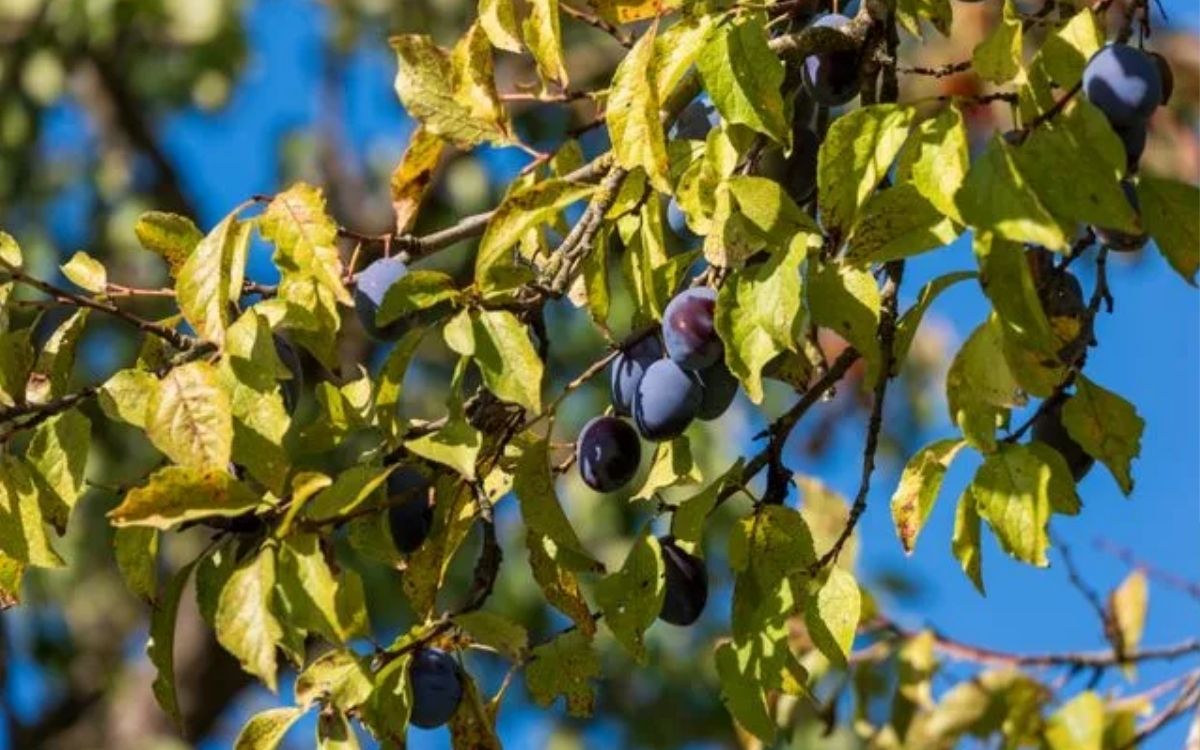
While buyers offer producers 18 dinars per kilogram [of plums], prices in retail chains are eight times higher, and a kilogram of bananas, which arrive by ocean-going ships, also costs 144.99 dinars.
That [Serbia] is a country of all kinds of paradoxes is nothing new. As Radar has already written about budget alchemy, the fake economic tiger, supposedly the highest pensions and salaries in modern history, President Aleksandar Vučić and Finance Minister Siniša Mali recently announced that there would once again be “helicopter money” in September. At the same time, through consumption and the 20 percent VAT, citizens will return to the same state treasury every fifth dinar that the state pays them from the budget.
Since I mentioned consumption, I recently visited a large retail chain in Vršac and realized that even a cursory look at the prices of two agricultural products deserves much broader consideration of economic logic than everything might seem at first glance. To avoid any doubt, I used my phone to photograph the two products, which had an identical price of 149.99 dinars per kilogram. The plums were domestic, while the bananas came from one of the distant countries—Ecuador, Colombia, or Costa Rica, the three dominant countries from which they are imported into Serbia.
How all theories of price formation collapse in Serbia
The import price of bananas is around 900 euros per ton, which is a perfectly logical and economically acceptable price. But what about plums? Well, this is where all theories of price formation collapse. From those stating that prices are determined by production costs, market conditions, the presence of monopolies or oligopolies, to the marginalist theory of the so-called Austrian School.
Price relations have been pushed to an absurdity that no law or regulation can fix, while the excess profit made at the expense of consumers and producers ends up in the hands of a privileged caste of selected market speculators, buyers, and intermediaries.
Serbia is traditionally said to be a country of plums. And it definitely is, because significantly more of this fruit is produced annually than all other types combined. This will be especially true this year, when other fruits have also yielded as rarely as they have in the recent past. And that is good news for producers. The bad news was published by many media outlets on August 6 with almost identical headlines: The purchase price of plums in southern Serbia fell to 18 dinars, accompanied by a brief explanation that “a large supply lowered the price.” According to data from the Ministry of Agriculture’s website, plum prices last week ranged from 50 dinars at wholesale markets to 80–90 dinars at green markets.
This is just one, but an illustrative, example of market paradoxes. In stores, the retail price of plums is the same as that of bananas, whose production requires a greater amount of labor, which are transported to consumers by ocean-going ships, and which are stored, preserved, and processed in ripening chambers along the way. Plums, on the other hand, practically come from next door, and this year they have yielded exceptionally well, meaning not all of them will end up going through the “cheerful machine”—the stills used to make rakija.
Who is skimming the cream if both producers and consumers are losing?
Price relations on the Serbian market have evidently been pushed to an absurdity that no law or regulation can fix. It is telling, moreover, that this year, when plums have yielded particularly well, both producers are losing, because buyers are offering them 18 dinars per kilogram, and consumers are also losing, because in some stores they have to pay 149.99 dinars for a kilogram of plums.
In many European countries, there are national wholesale markets. In Budapest, more than half of Hungary’s total agricultural production is traded through one, without any bans or restrictions, while in Serbia the state has used regulations to control both margins and prices, failing to understand that nothing in economics can simply be ordered.
It is easy to conclude that the excess profit made at the expense of consumers and producers ends up in the hands of a privileged caste of selected market speculators, buyers, and intermediaries. In such a situation, many fruit growers find it more profitable to let their crops rot than to pay pickers, because production and harvesting costs exceed purchase prices. And this does not apply only to plums, as similar situations occurred with sour cherries and blackberries, even resulting in the destruction and cutting down of some plantations.
So what is the solution? It does not take much ingenuity for Serbia to do what many European countries have done and establish national wholesale markets. In Hungary, more than half of the country’s total agricultural production is traded through the national wholesale market in Budapest. There are no administrative restrictions or bans there, let alone controls on margins and prices, measures that our state has implemented without understanding that nothing in economics can simply be ordered.
MORE TOPICS:
Source: Radar, Foto: Pexels
 Add Serbian Times as your Google source