




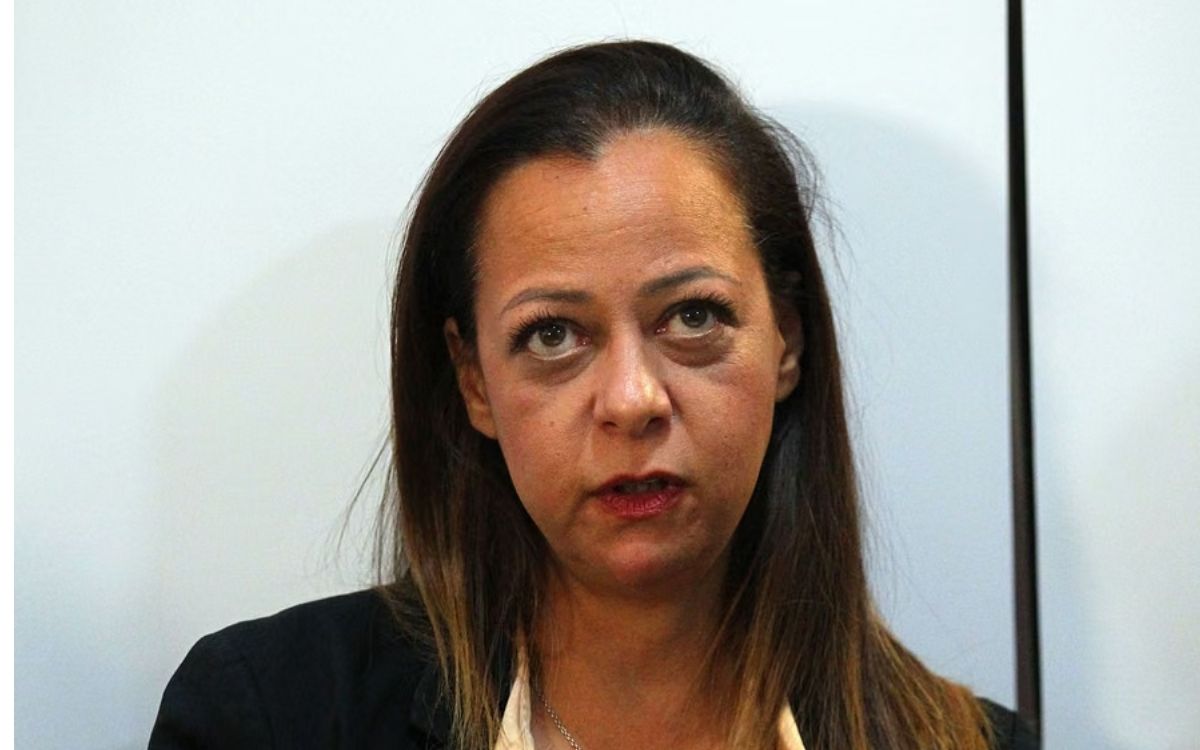
“If the police beat you, elections are stolen, or you have been wronged, the address is the court. And that court must operate according to the law, free from party pressure and bad personnel,” says attorney and candidate on the Student List for the upcoming elections in Serbia in an interview with Nova.rs. In the interview with Nova.rs, el Sarag talks about the reasons for entering politics, judicial reform, the accountability of the current government, as well as the changes she would insist on.
You spent a year and a half as an attorney supporting the student movement, and now you have become a direct part of it as a candidate for parliament. What was the turning point when you decided to move from practicing law and the courtroom into politics?
“The invitation from the students to be their candidate was that moment.
Given that the invitation came last year, when police brutality and the arrogance of the authorities were at their peak, I felt it would be unfair not to respond. I considered refusing or not responding to the invitation to be a negation of everything I stand for and work for and have been fighting against for the past 12 years.”
You previously said that elections are won through pressure from citizens and students. Now that you are yourself a candidate on the Student List, what made you decide to put your experience, knowledge and trust precisely at the service of the student movement?
“Students are the youth and the future of this country. New doctors, professors, prosecutors, judges… If we are not prepared to stand behind the youth, we have no future.”
As an attorney, you have pointed out problems in the work of institutions and their insufficient independence in several cases, including those involving Zlatko Kokanović and Helena Strugar. If the Student List comes into a position to form a government, what would be the first concrete change you would try to make to ensure judicial independence?
“Little is known to the public about the mechanism for reviewing the work of judges and prosecutors, and those are integrity plans. They are the key ‘breeding grounds’ for inaction and obedience on the part of the executive branch. I have repeatedly supported both judges and prosecutors in saying that they must adhere to the letter of the law and that this is their only obligation, rather than being afraid to apply it.”
You were among the attorneys who strongly supported the protests and the suspension of legal work as a sign of support for the students. Do you believe that the legal profession crossed the line between protecting citizens’ rights and political engagement during the current crisis?
“Unfortunately, everything is politics, even the legal profession. The price of fuel is politics, the price of food in stores, everything is politics. The legal profession is the only independent profession that, in a way, also gives you the freedom to criticize publicly. Our calling is essentially such that we fight injustice in courtrooms, so I would say that this was a natural continuation of that support.”
READ MORE:
In your opinion, what is Serbia’s biggest legal problem today – a politicized judiciary, the work of the prosecution, the police, the electoral system or something else? And which institution or law should reform begin with?
“My humble opinion is that the judiciary is the key to a free state.
If the police beat you – seek justice in court. If elections are stolen – court. Dismissal – court. Injustice – court. But that court must operate according to the law and be free from party pressure and bad personnel. People’s trust in the judiciary must be restored.
On the other hand, we should also start with the State Attorney’s Office, which is on the same level of being intertwined with the power structure as the Supreme Public Prosecutor’s Office, except that it is responsible for our country, primarily regarding state-owned property that they have been giving away as if it were private – when it is ours, it belongs to every citizen.”
You have often spoken about the accountability of specific individuals and insisted that “accountability has a first and last name.” If the Student List comes to power, would that also mean prosecuting people from the current government who are suspected of breaking the law? How would you ensure that a clear line is drawn between establishing criminal responsibility and political revenge?
“By freeing the judiciary and the prosecution, that will be their job, which they will have to carry out without fear and fairly.”
You have experience in cases involving citizens who came into conflict with state institutions. What would you say today to citizens who no longer trust the police, prosecution and courts? Why should they trust new people entering politics?
“I am certain that we will all do our best to restore the people’s trust in the relevant institutions. It would be nice if they trusted us because the choice is easy – Serbia or the mafia? The students are working for a system in which officials can be replaced, so it will be easy to replace anyone if it turns out that they are not working in the interests of the people.”
One of the issues you were previously involved in was lithium. If the Student List is in a position to decide the future of the “Jadar” project, is your position that the project should be permanently stopped, or should the decision depend on new studies, environmental impact assessments and the fulfillment of clearly defined conditions?
“There are a number of laws that need to be changed, and again I repeat – we need to restore the trust that every person matters. And until then, which I believe will happen faster than we thought, we need to open and examine everything this government has signed, about which the public knows nothing. Transparency is the most important thing at this moment.
On the other hand, the students were clear, as were the citizens, that they do not want this project and consider it harmful. The experts must certainly be consulted – biologists, geologists, hydrologists, the people of Jadar and the whole of Serbia. I am unequivocally against the ‘Jadar’ project.”
And perhaps most importantly for voters: if the Student List comes to power, what can citizens concretely expect to be different during the first 100 days? Name at least three measures that you would personally insist on?
“Mentioning ‘100 days’ sounds as if we will already be put on the pillar of shame on the 101st day. I would not limit myself to that, but I certainly believe that work must be done quickly and that results must be visible within a short period of time.
The judiciary is number one, which, given the nature of my profession, is a logical answer. Number two is everything contained in the student program, which you will be informed about in the coming days.
MORE TOPICS:
Source: Nova ; Foto: A.K./ATAImages
 Add Serbian Times as your Google source