




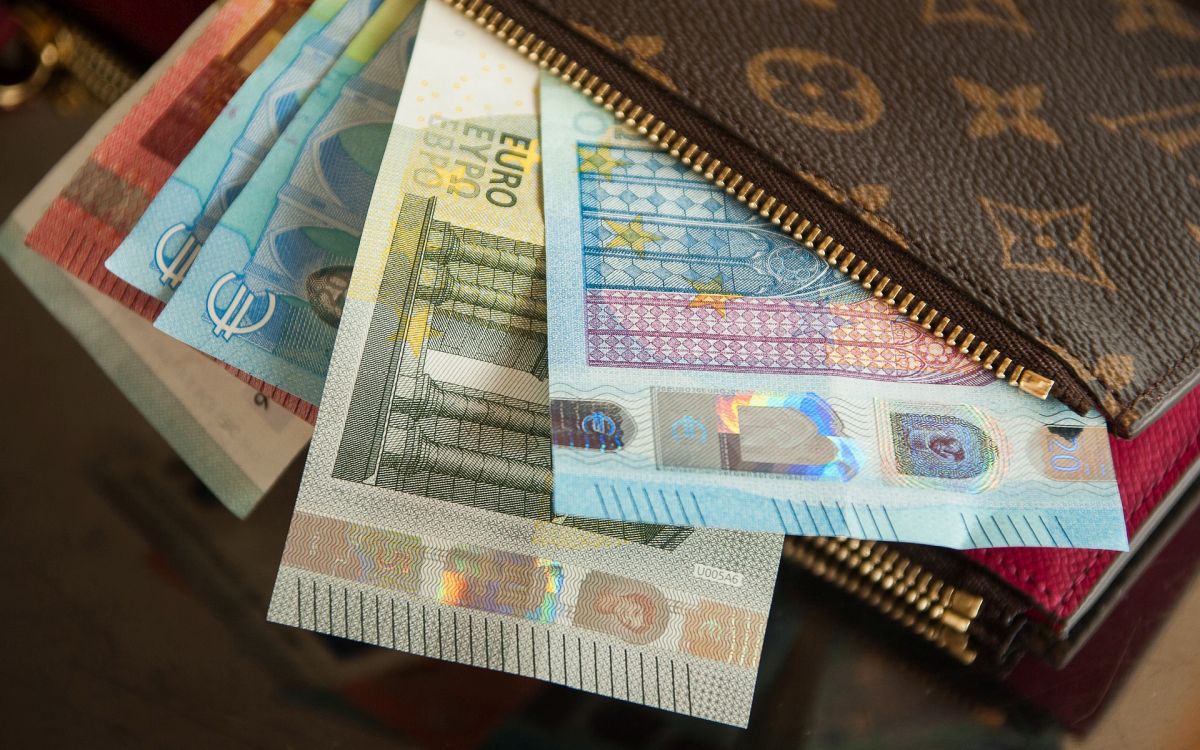
In Serbia today, payments within the Single Euro Payments Area (SEPA) payment scheme begin, which will reduce current commissions for money transactions to the European Union (EU) and from the Union.
Membership in SEPA allows both the sender and the receiver of money to have lower costs and faster transaction execution, and this payment scheme is expected to bring annual savings of 50 to 60 million euros at the level of Serbia; for now, it will apply only to SEPA Credit Transfer, while SEPA Instant Credit Transfer and SEPA Direct Debit are expected to start in a year, allowing banks to prepare technically.
Serbia’s accession to the SEPA area will enable money to be transferred within one business day, instead of the previous several days often required due to the participation of multiple intermediary banks in the execution of the transaction.
For companies in Serbia, this will mean simpler payments to suppliers and faster receipt of money from clients in the SEPA area, which will contribute to reducing business costs, and for citizens, it will mean faster and more affordable sending and receiving of money, including remittances from abroad.
The amount of transaction fees will be determined by each bank individually, in accordance with the valid legislation of the specific country and its service tariff.
The NBS previously stated that neither citizens nor the economy will have additional obligations, nor will any special adjustments be necessary.
The SEPA system will enable non-cash payments in euros, which are under the jurisdiction of the central bank, to be carried out under favorable and standardized conditions in all member states of this payment area, which includes a total of 41 countries.
Among them are all 27 members of the European Union, the countries of the European Economic Area – Iceland, Norway, and Liechtenstein, then Switzerland, Great Britain, as well as Andorra, Monaco, San Marino, Vatican City, Albania, Montenegro, Moldova, and North Macedonia.
The NBS previously pointed out that joining the SEPA system represents an important part of Serbia’s comprehensive process of European integration and further harmonization of the domestic financial system with the legal and institutional framework of the European Union.
Entering the SEPA area has enabled banks to join SEPA payment schemes and to execute their payment services in euros in accordance with the uniform rules and standards that apply within SEPA payment schemes; in practice, this will mean that payments in euros will be realized in the same way, according to the same technical and business rules, regardless of whether the transaction is executed within one country or between different countries that are members of the SEPA area.
In the previous period, the European Payments Council approved the applications for joining this payment scheme submitted by the central bank and 18 commercial banks in Serbia, and as of April 10, 2026, they are officially entered into the register of participants.
MORE TOPICS:
Source: Nova.rs; Photo: Pixabay
 Add Serbian Times as your Google source