




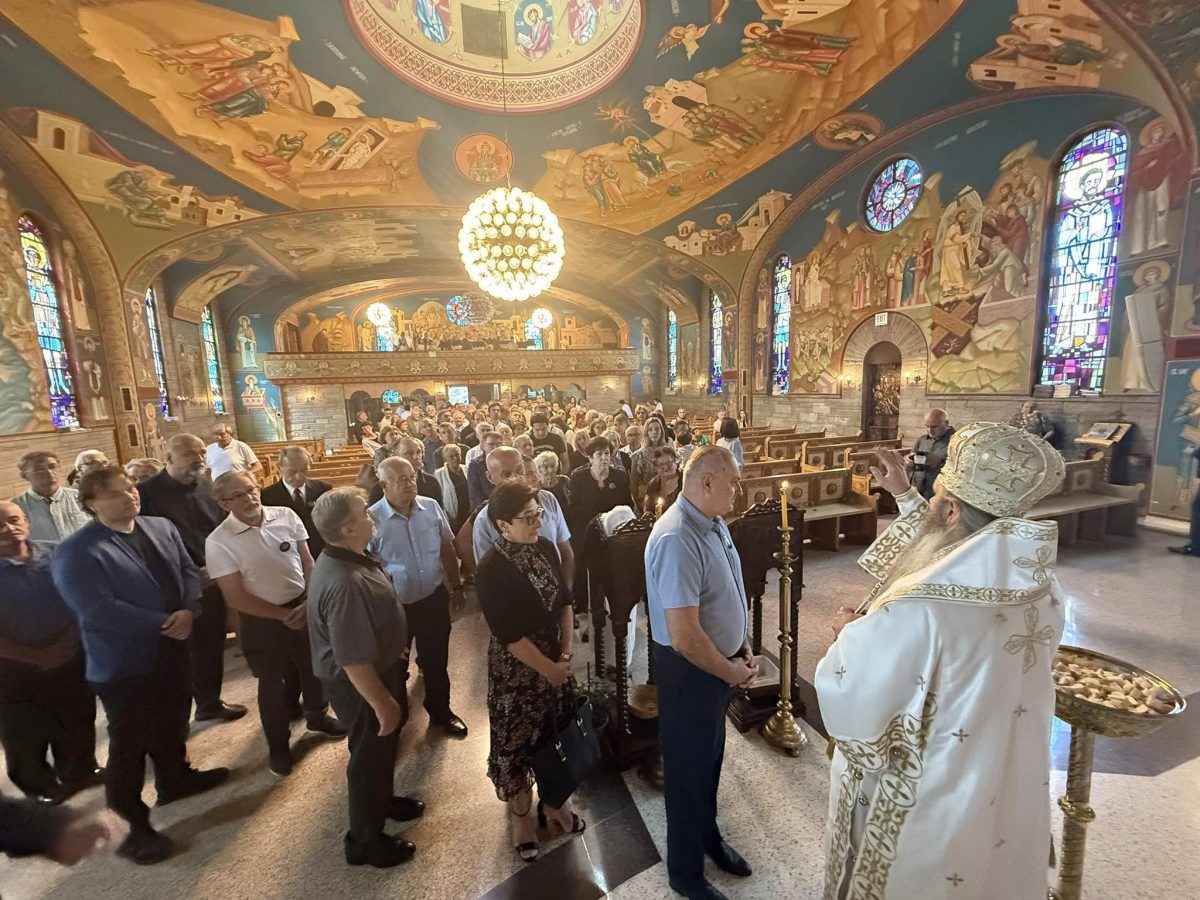
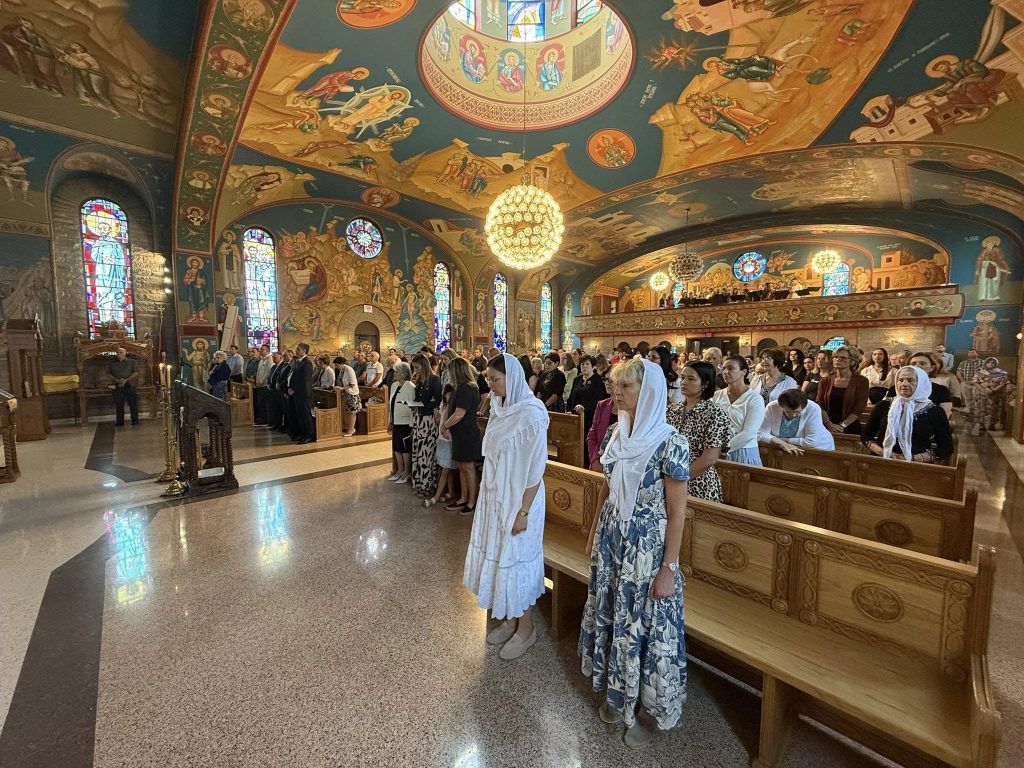
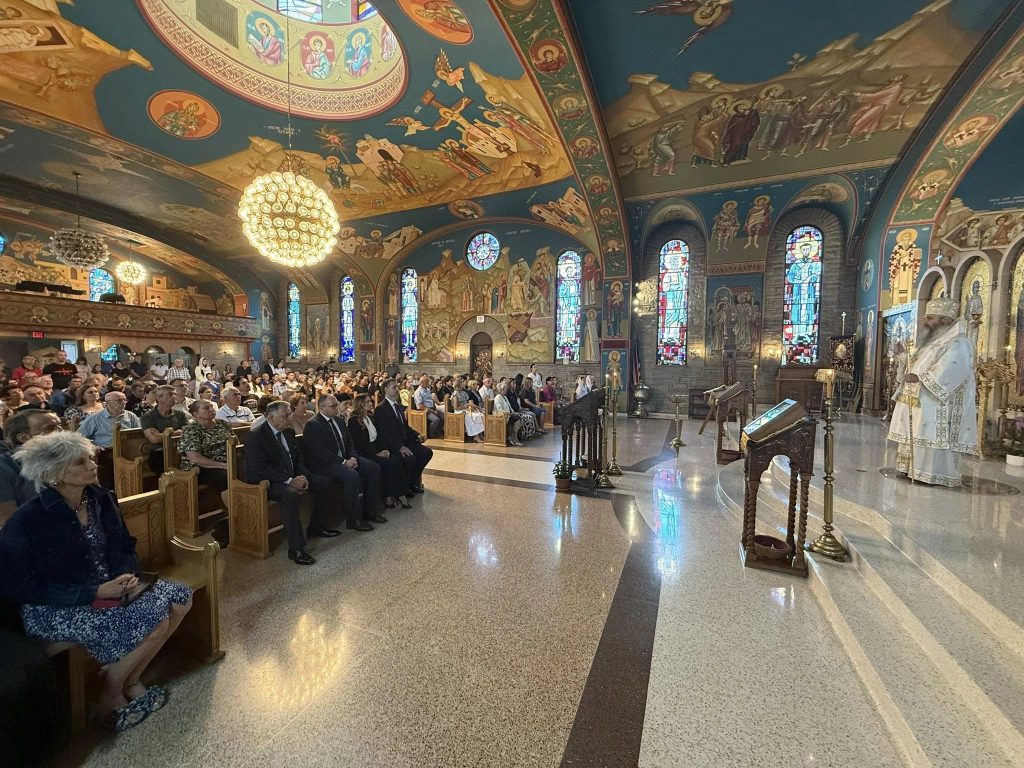
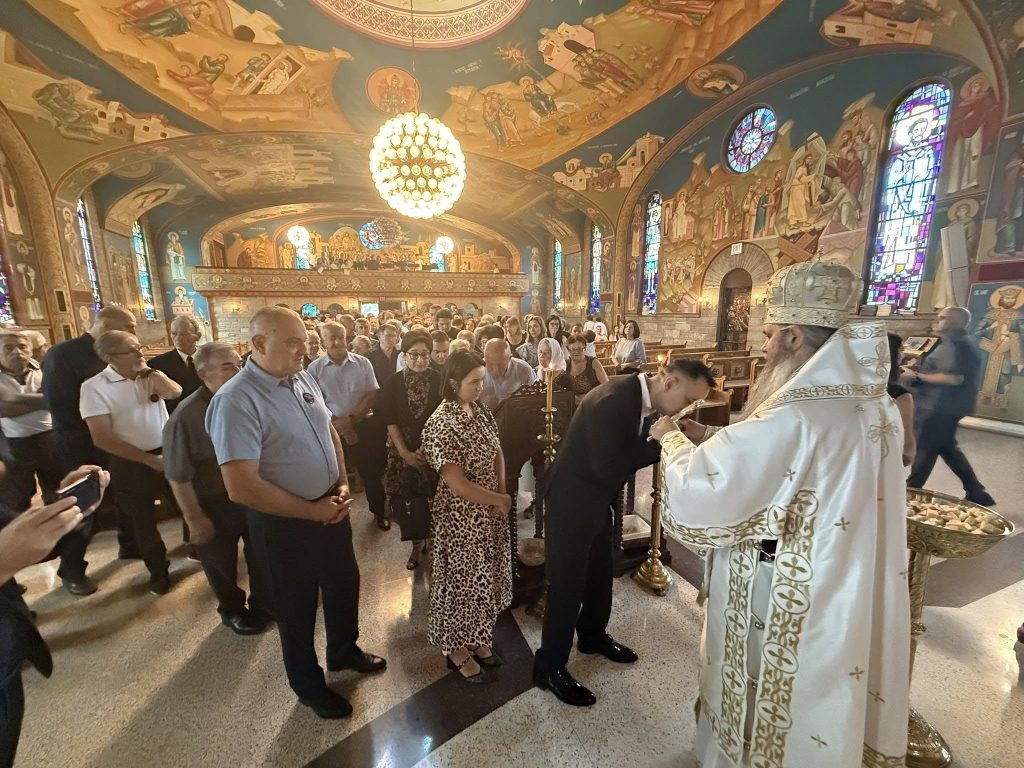
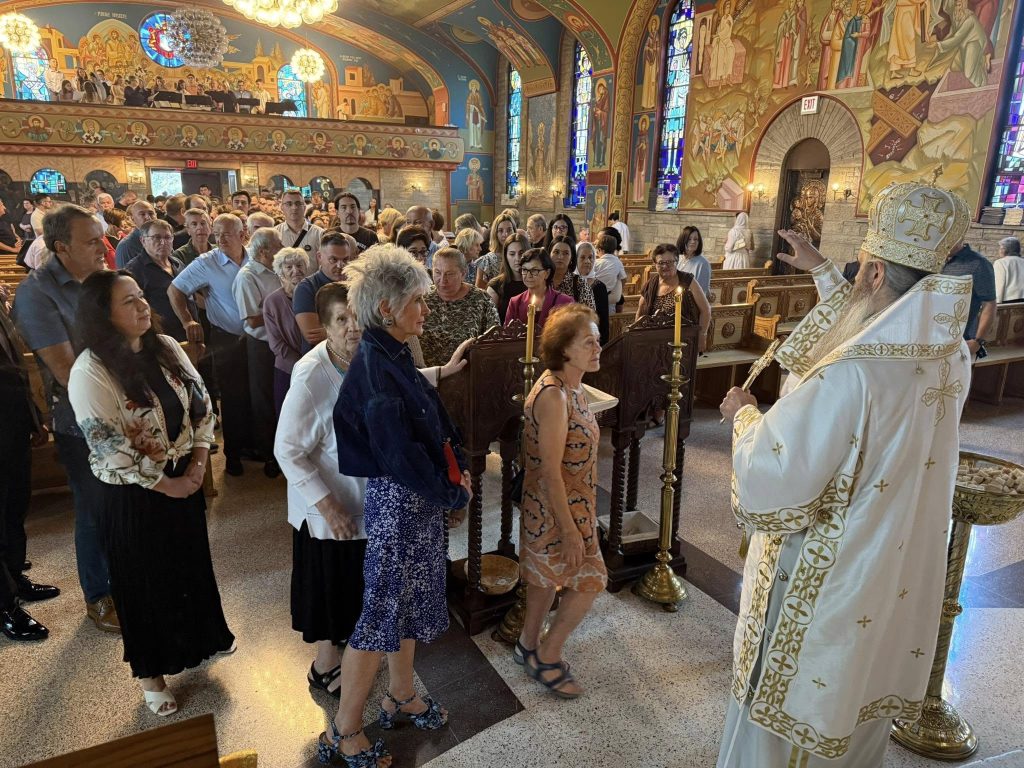
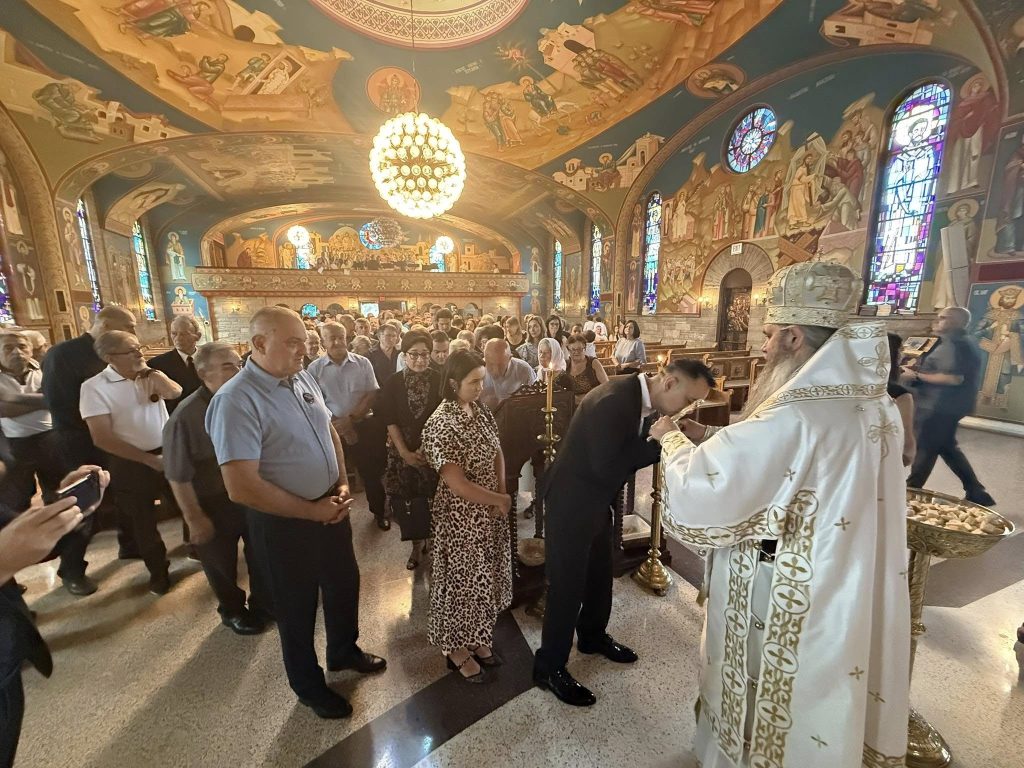
In the Cathedral Church of the Holy Resurrection in Chicago, a memorial service and liturgy were held for the victims of the military operation “Oluja” (Storm), which expelled around 250,000 Serbs from Croatia exactly 30 years ago, most of whom never returned to their homes.
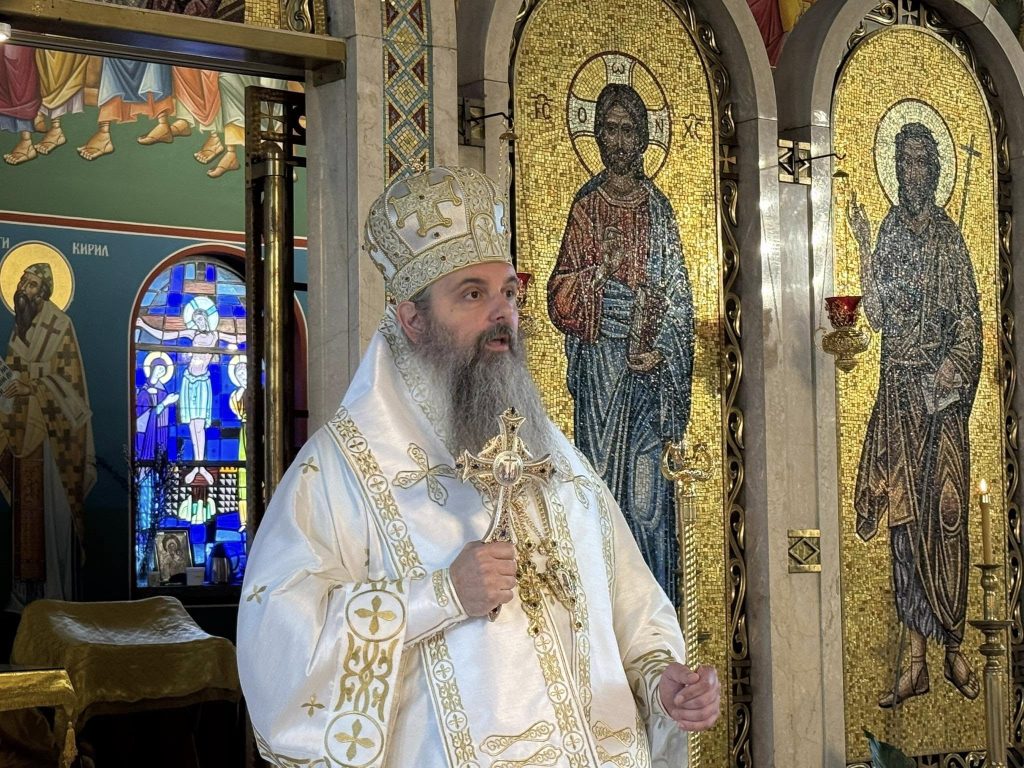
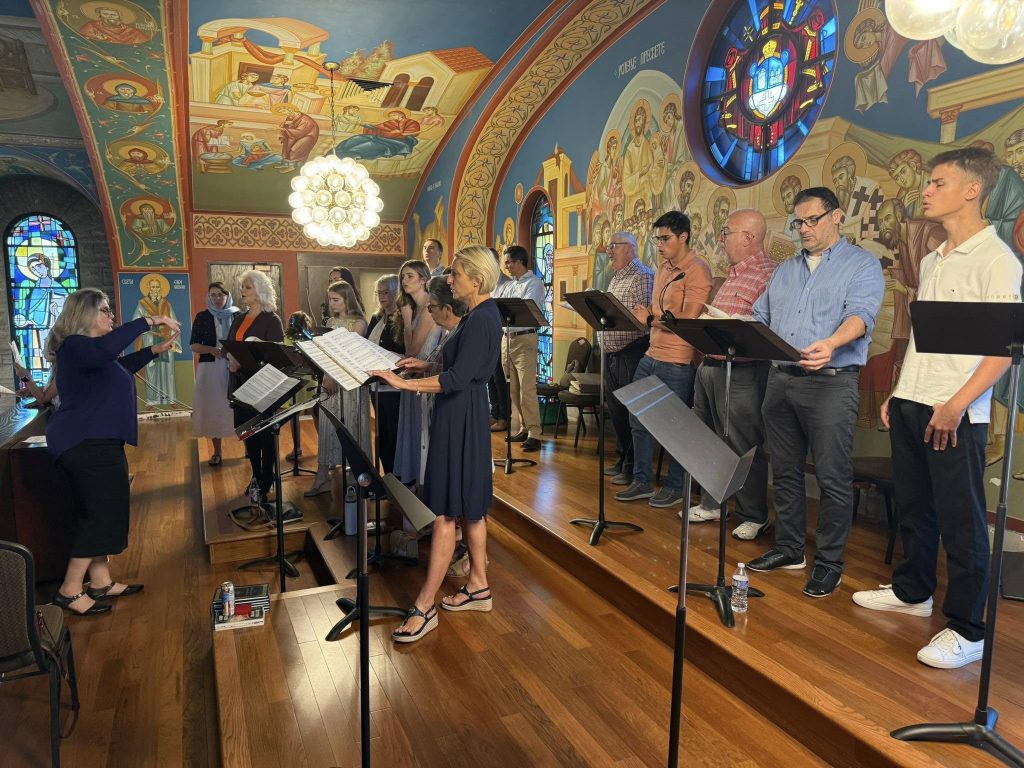
The organizers of the event were the Association of Krajina people “Prelo” and the Assembly of Krajina Serbs, the liturgy on this sad occasion was served by Bishop Serafim with the co-celebration of the clergy, and a large number of people from the Serbian diaspora came to pay tribute to their countrymen.
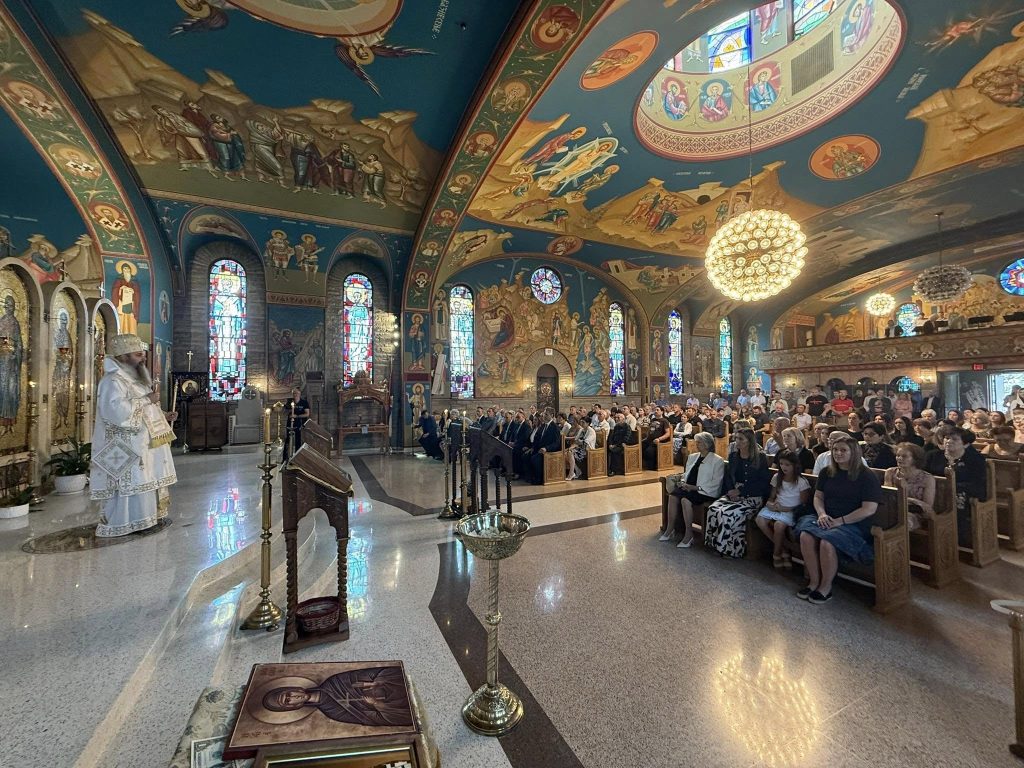
Among them today were those who found themselves in the refugee column that in August 1995 from the then Republic of Srpska Krajina headed for the Republic of Srpska and further, towards its final destination, Serbia.
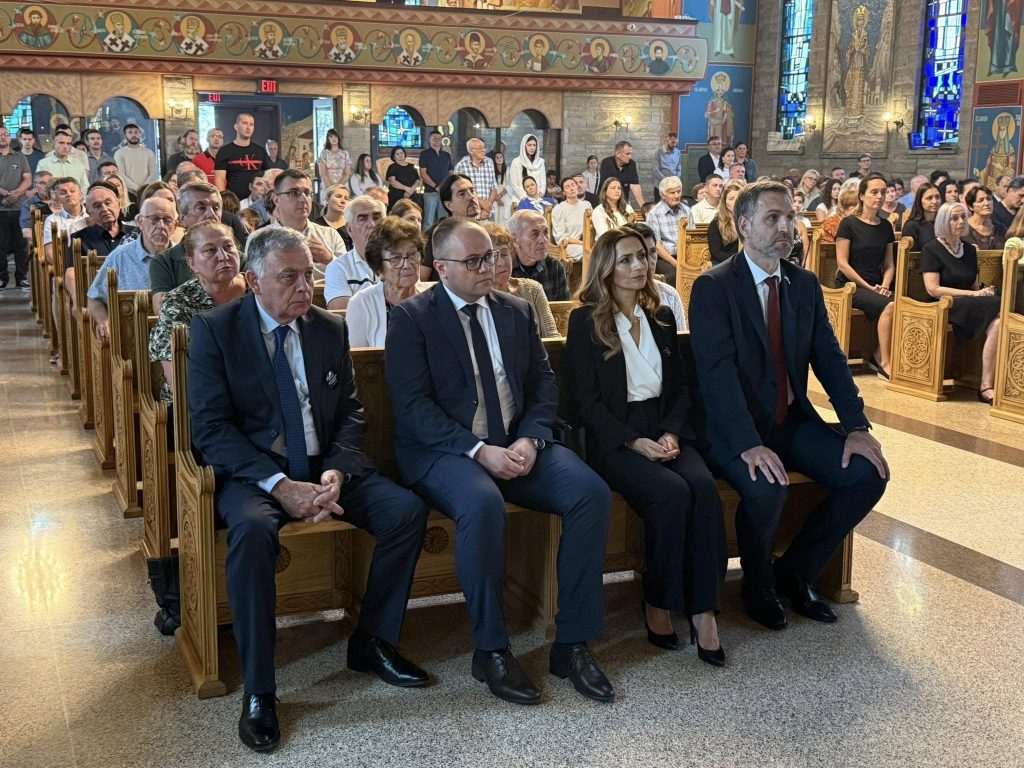
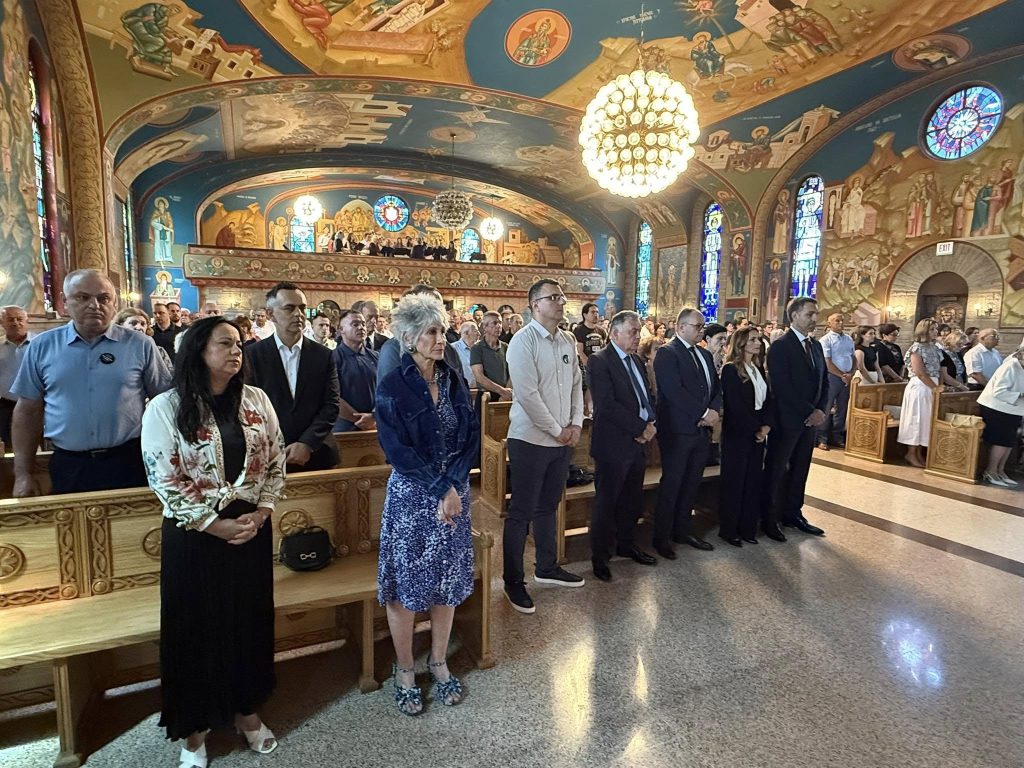
The memorial service was attended by the consuls of Bosnia and Herzegovina and Serbia, Tatjana Telić and Marko Nikolić, as well as the Romanian consul in Chicago, Lucian-Ilie Stanica, the Treasurer of Cook County, Marija Papas, and representatives of the American Jewish Committee, Ilene Adler, and the office of the state prosecutor of Chicago.
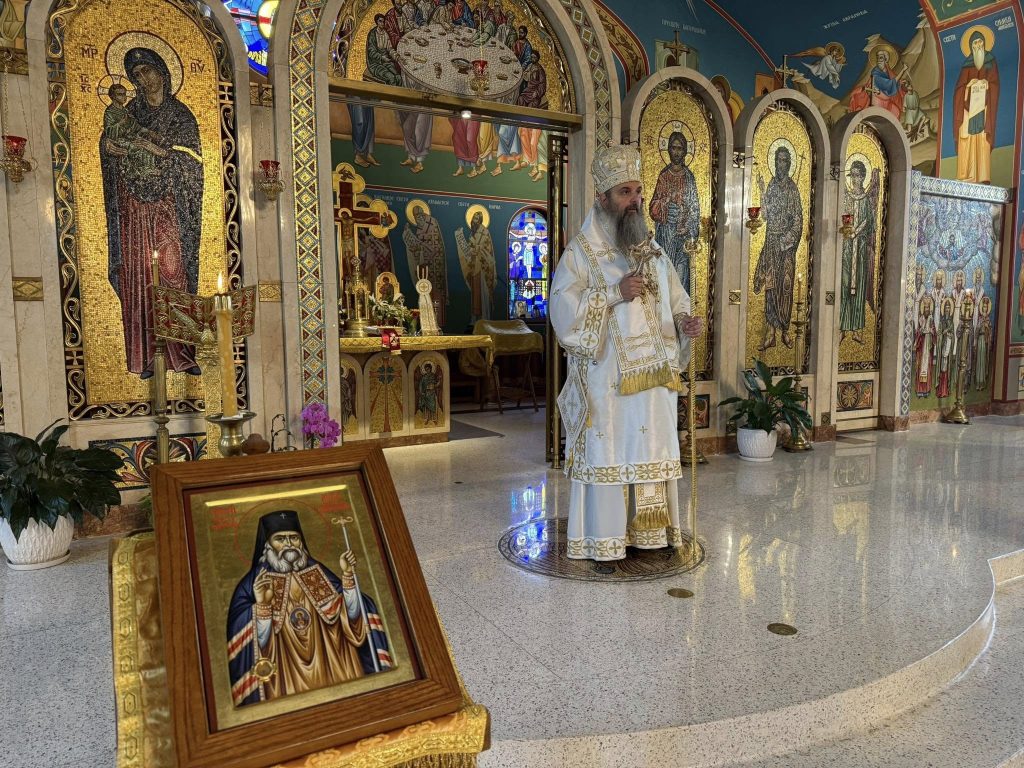
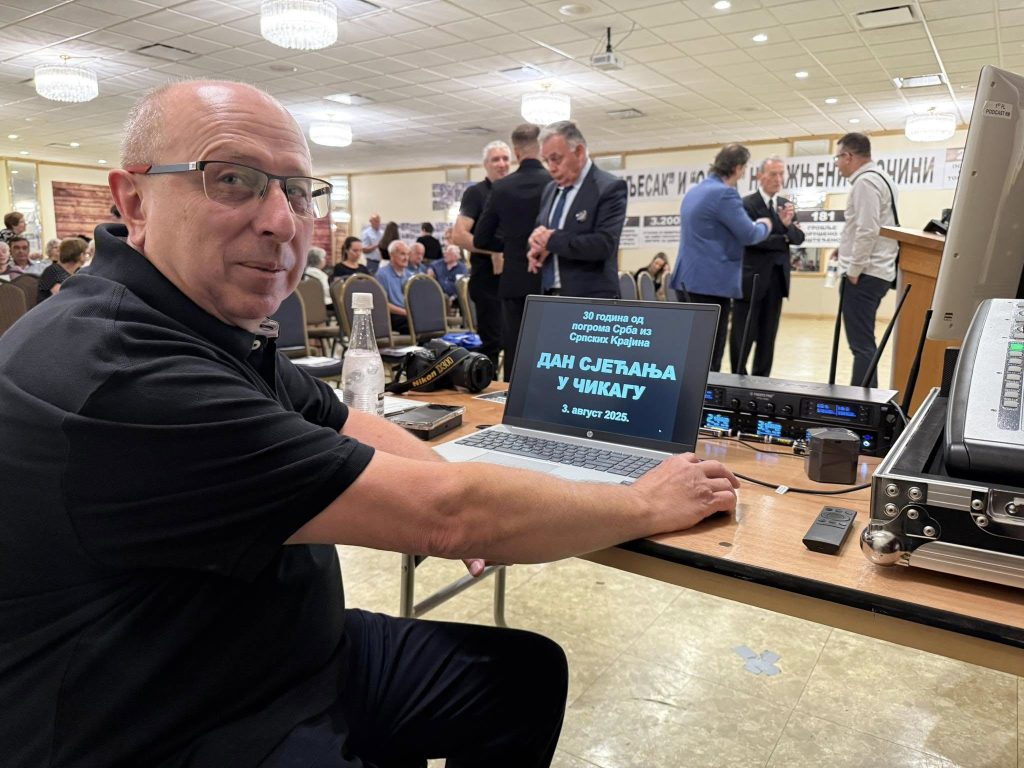
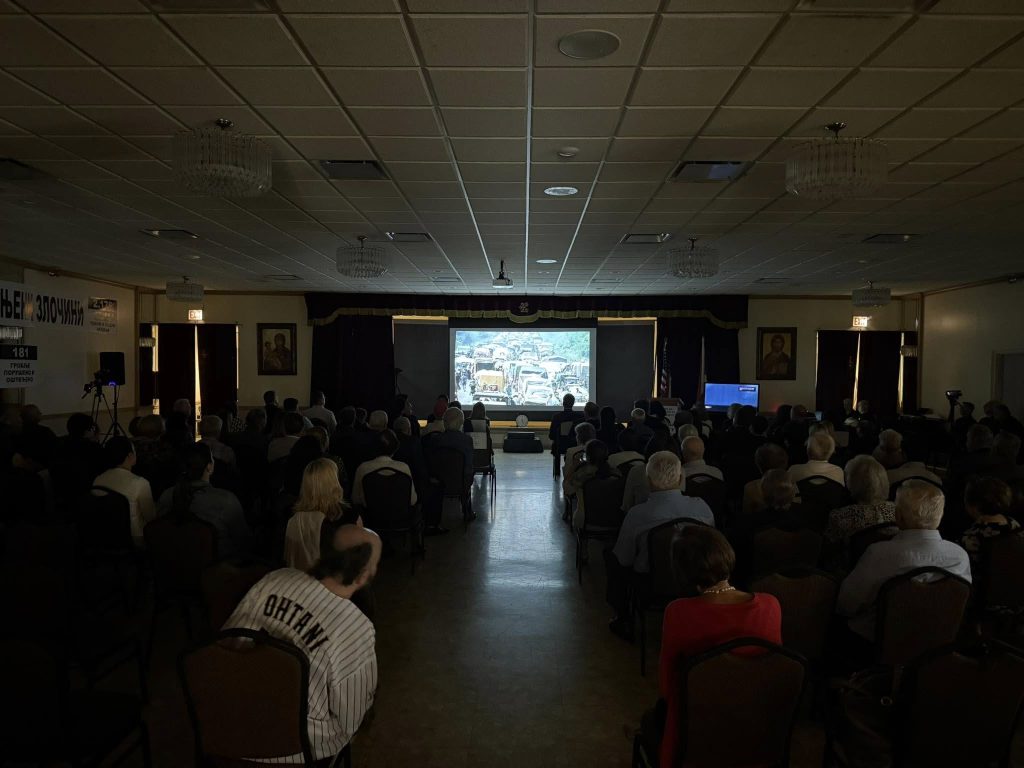
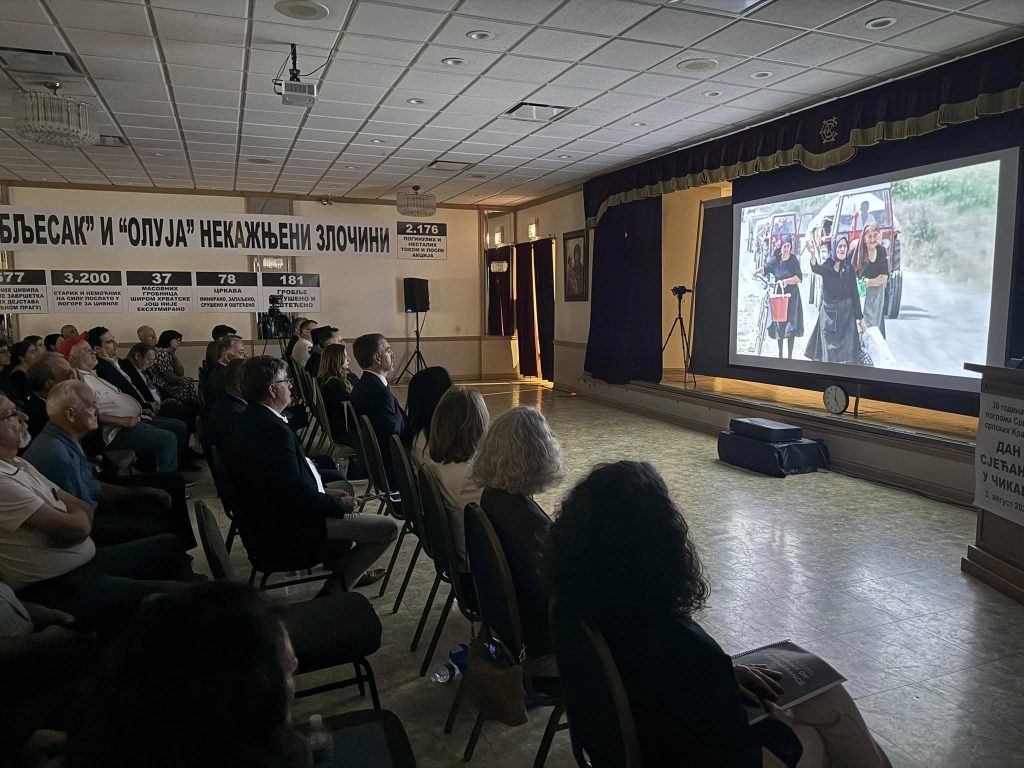
After the service, the program continued with a commemoration called “Day of Remembrance in Chicago” which began with verses from the poem “Poslednji krajiški stroj” and the broadcast of a documentary “Tko dijeli civilne žrtve” (Who divides civilian victims) about the current problems that Serbs face in their attempts to exercise their rights in Croatia.
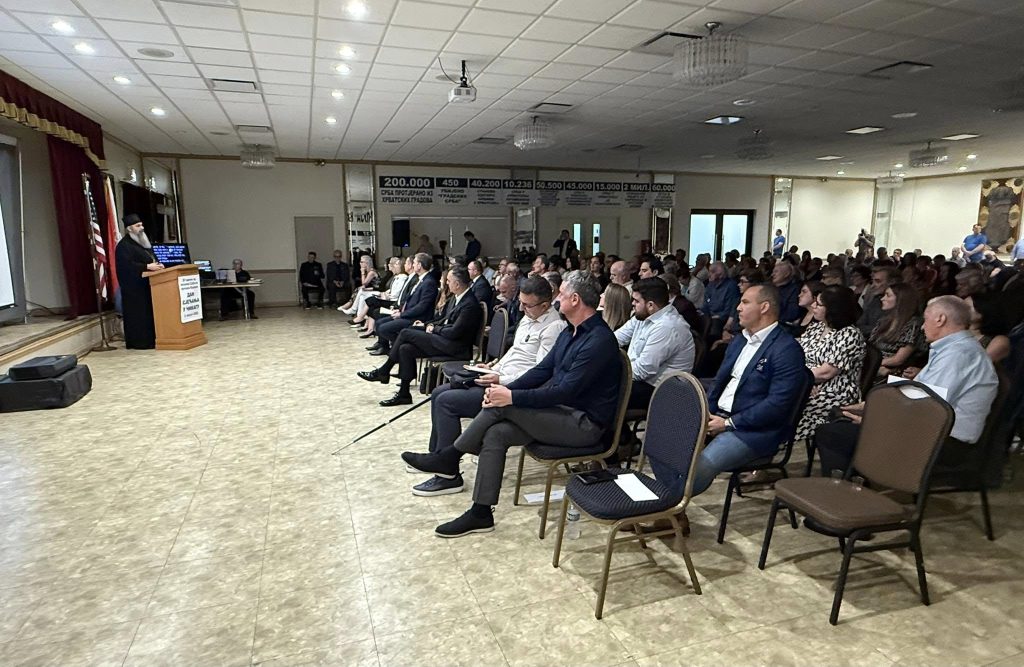
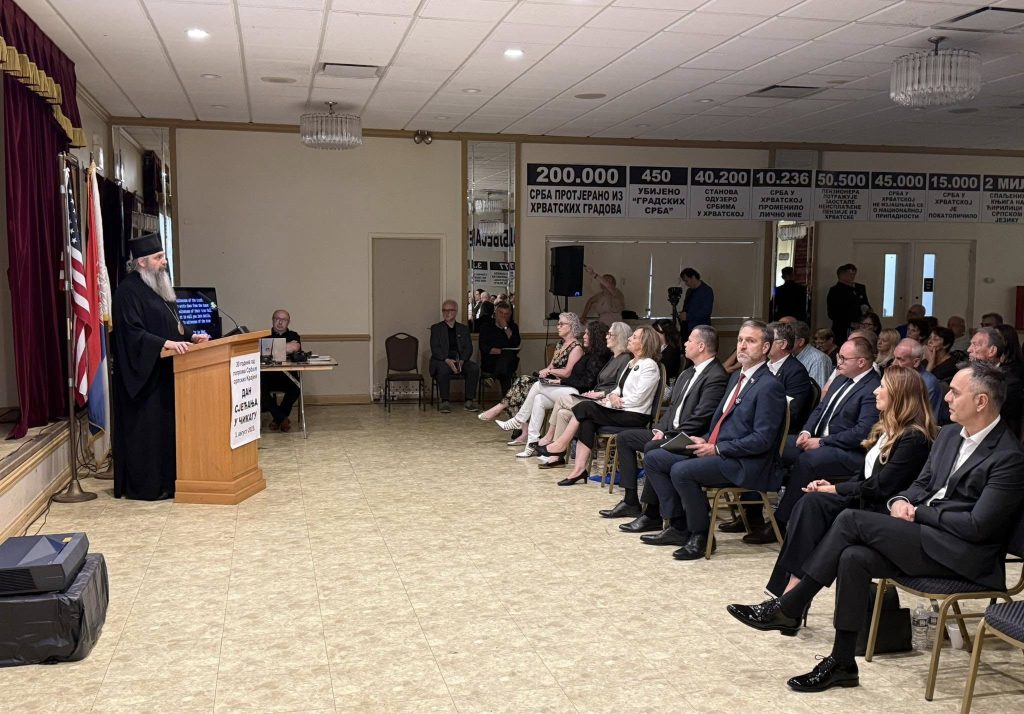
The commemoration was opened with an introductory speech by Bishop Serafim of Kostajnica, who was also one of the exiles who left their native region and family home before the Storm.
Referring to the documentary, he said, among other things:
-Many of us have gone through such a Golgotha, but no matter how difficult it was for us – there is no surrender! For the sake of truth, brothers and sisters, for which we gathered here today. Countless martyrs have suffered since the time of the Turks, but they did not renounce their faith, eternal life, and that one word and thought that we have followed for centuries. We, who have gone through that suffering and found ourselves in this brave new world, let us keep that word and thought in mind, so that we do not forget what we have suffered and that we are not surprised by this world around us that either publicly or insidiously tramples on this cross, and let us not be surprised if it starts to trample and persecute us again, said Bishop Serafim.
After him, the consuls of Bosnia and Herzegovina and Serbia, Tatjana Telić and Marko Nikolić, addressed the audience, who recalled the suffering of Serbs in Croatia throughout history, but also brought a ray of optimism with their words.
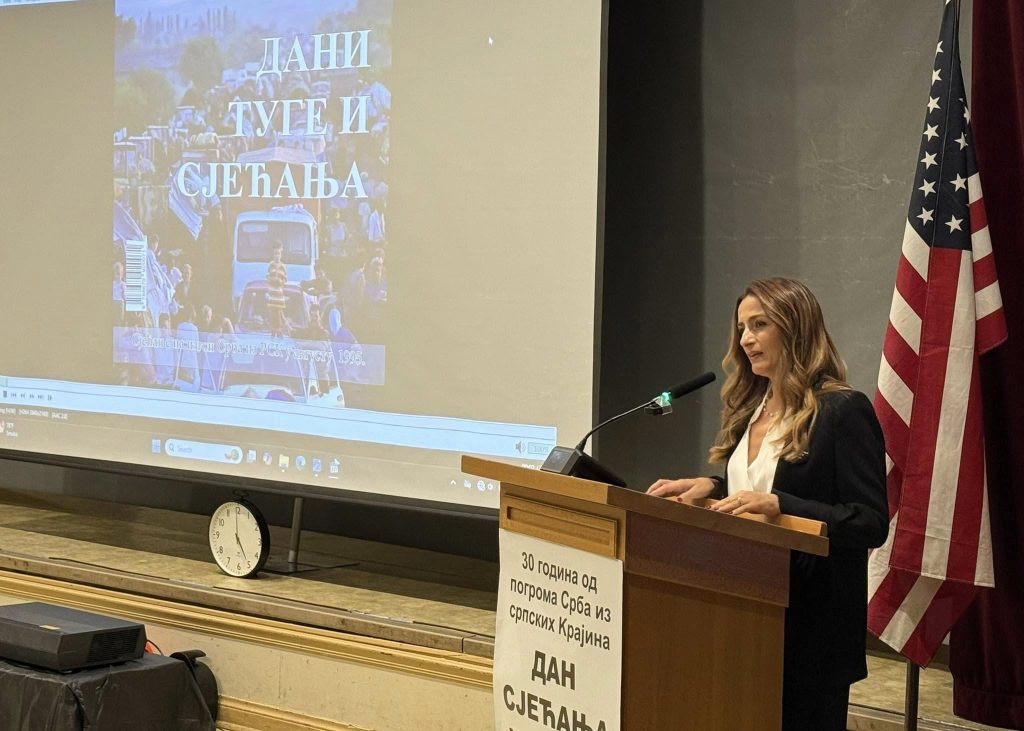
Consul Telić, a native of Krajina, with tears in her eyes and pride in her voice, said that her three children go to her homeland in the area of Knin and Islam grčki every year, where they are currently on vacation.
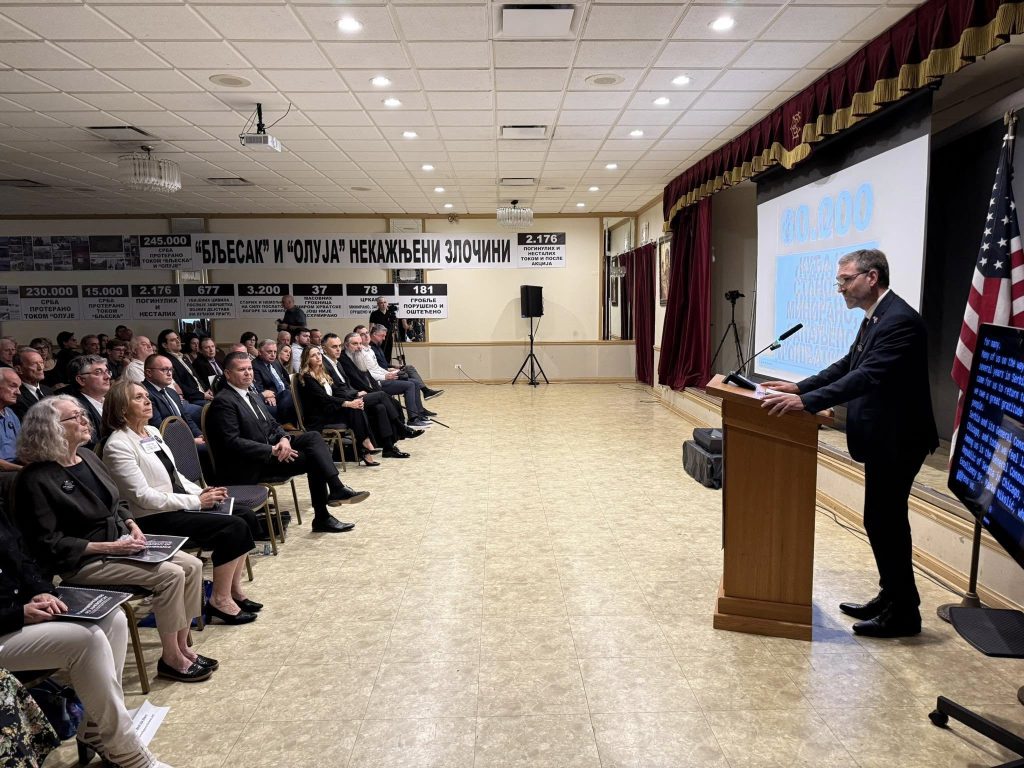
These addresses were followed by a lecture and presentation by Dr. Milan Gulić, a historian from Zadar, otherwise the youngest doctor of history at the University of Belgrade.
The organizers from the Association of Krajina people “Prelo” and the Assembly of Krajina Serbs, Duško Čučković, Ljubinko Špegar and Stevo Dokić, also addressed the gathering, and the program was enriched by the actors of the Serbian Theater Chicago, Milovan Glogovac and Milenko Šišarica, who quoted the testimonies of Serbian exiles and recited appropriate verses.
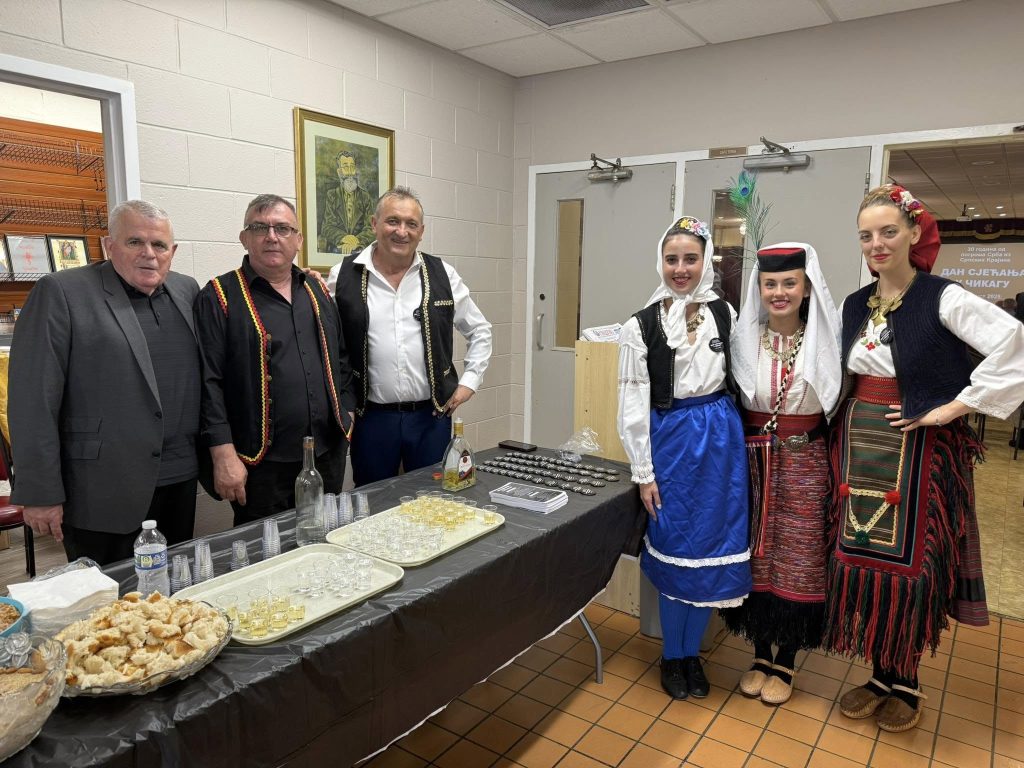
The program was led by Igor Obradović, and Svetozar Dančuo, as well as the manager of the ensemble “Oko sokolovo” Milan Andrijanić, have great credit for the realization of the event.
The commemoration ended with the screening of the documentary “Petrovačka cesta”, after which the hosts served the guests with a ceremonial lunch.


Author/Photo/Video: Antonije Kovačević
MORE TOPICS:
 Add Serbian Times as your Google source