




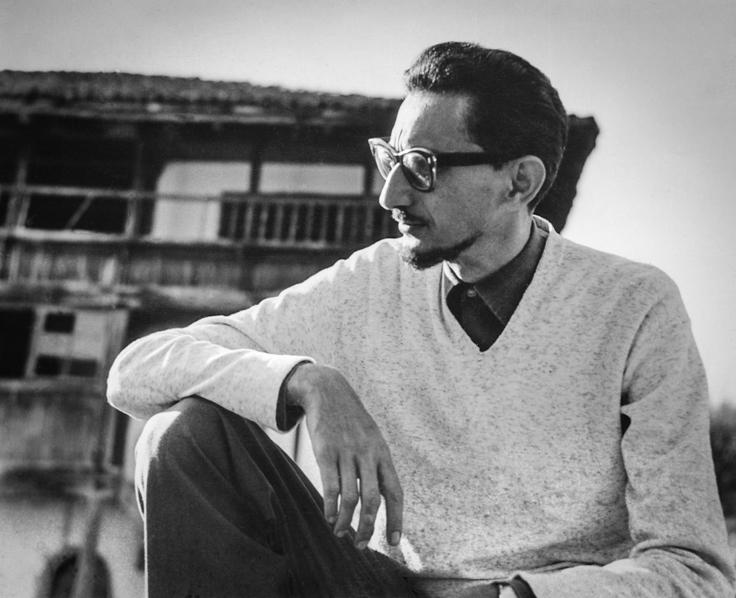
Today marks the 34th anniversary of the death of Borislav Pekić, one of Serbia’s greatest writers, making it the perfect occasion to look back on his remarkable life—a life that could itself serve as the subject of a bestselling novel or a blockbuster film.
His first literary pseudonym was Adam Petrović. That was the name under which he signed the first short story published in the magazine Vidici. He later included the story in his book The Time of Miracles.
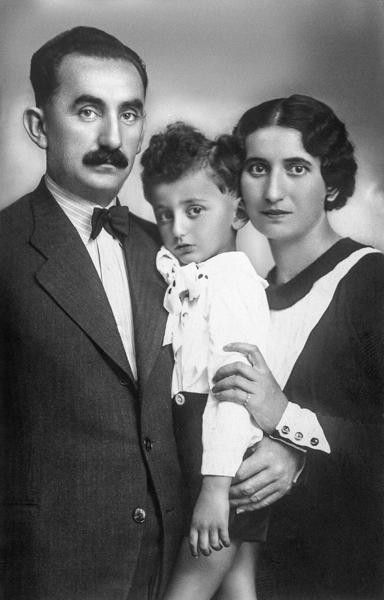
It was the beginning of an extraordinary literary career that came to an end when doctors, at the age of 62, told him he had six months left to live. He simply waved the prognosis away. They were wrong—but only in one respect. He had just one month left. During the final three weeks of his life, he remained silent. He refused to talk about his illness or anything else, spending his days watching films, especially Westerns.

While living in Belgrade, Pekić resided in a small cul-de-sac in the Vračar district that today bears his name. He also has a monument at Cvetni Square. In his native Podgorica, however, there is very little commemorating him beyond a plaque marking the building where he lived for a time.

Adulthood—and straight to prison
One of Serbia’s most important writers, Borislav Pekić, was born in the Montenegrin capital in 1930. His father, a district governor, was transferred every two or three years, so the family lived in Podgorica, Knin and Bečej before settling in Cetinje shortly before the outbreak of World War II, where Borislav attended school. When the war began, his father Vojislav, a supporter of the unification of Serbia and Montenegro, was expelled from Montenegro.
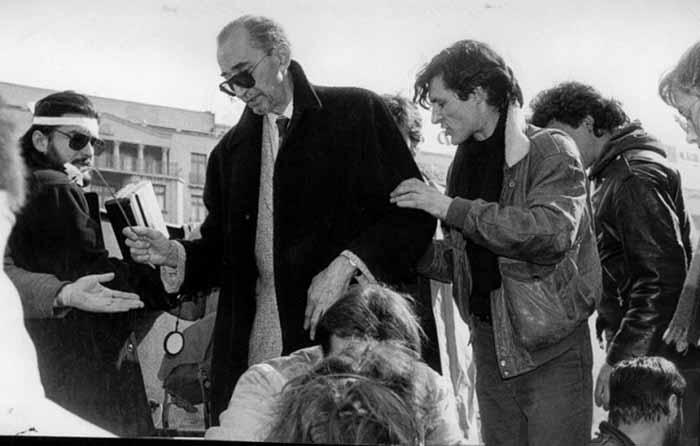
The family moved to Bavanište, near Pančevo, where Borislav’s mother was from. He spent the war years there on his grandmother’s estate. An only child, he grew up surrounded by the full attention of his parents. After the war, however, came five harrowing years for the entire family. From 1948 to 1953, Borislav was imprisoned as a member of the underground student organization known as the Union of Democratic Youth of Yugoslavia.
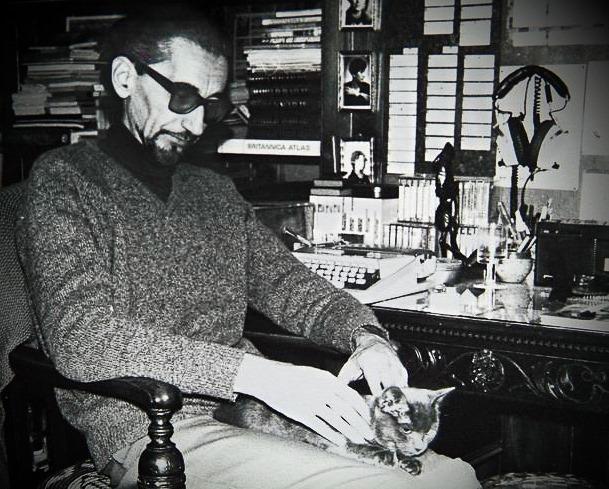
School held little interest for him. Instead of attending classes, he would often go to Kalemegdan Fortress to read books that fascinated him, returning home only when lessons had ended. He had no interest in a history curriculum devoted exclusively to Partisan offensives or literature from which writers such as Jovan Dučić and Miloš Crnjanski had been removed. Even in prison, whenever circumstances allowed, he read constantly.
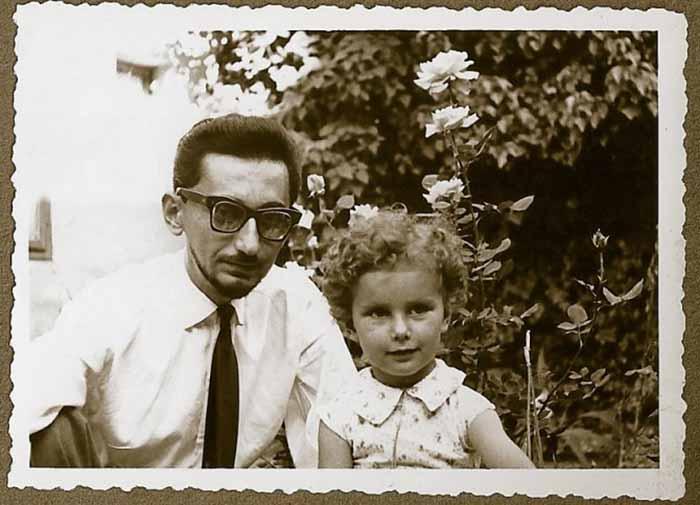
In the prison in Niš, where discipline was somewhat less severe, he would borrow armfuls of books and finish them within days. The prison librarian, who became friends with Pekić, later testified to his insatiable appetite for reading. He had begun reading at the age of five. He loved Flash Gordon comics, Donald Duck, and adventure novels by Alexandre Dumas, especially The Count of Monte Cristo and The Three Musketeers. By the age of 11, he was already reading Fyodor Dostoevsky.
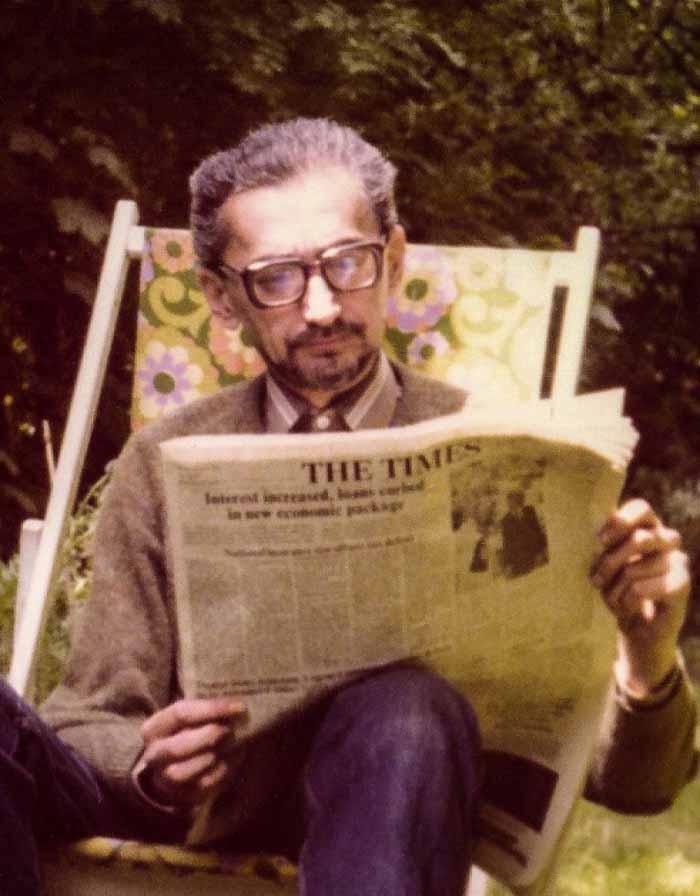
Every vice imaginable
Pekić loved classical music and regularly attended the opera. In those days, people often stood in line all night to buy tickets, taking turns with friends to secure seats. Most films shown at the time were either Soviet productions or domestic propaganda, while foreign films attracted enormous queues whenever they appeared.

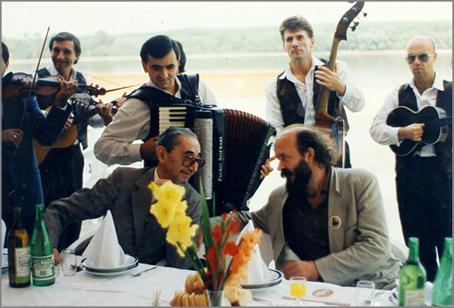
As a young man, he dreamed of becoming an archaeologist. During his university years, he also developed a passion for gambling. He and his friends played cards using beans instead of poker chips, with the loser buying drinks. He believed that anything won through gambling should be spent immediately rather than used for anything practical. Later, while working in the film industry, he played for much larger sums, first preferring Preference and later poker, at which he was generally successful. Roulette, however, never appealed to him because, as he put it, there was nothing one could do to influence the outcome. Once he began writing seriously, he gave up gambling altogether. Sports, meanwhile, held no appeal whatsoever. Whenever someone remarked that people exercised to stay fit, he would ask, “Fit—for what?”
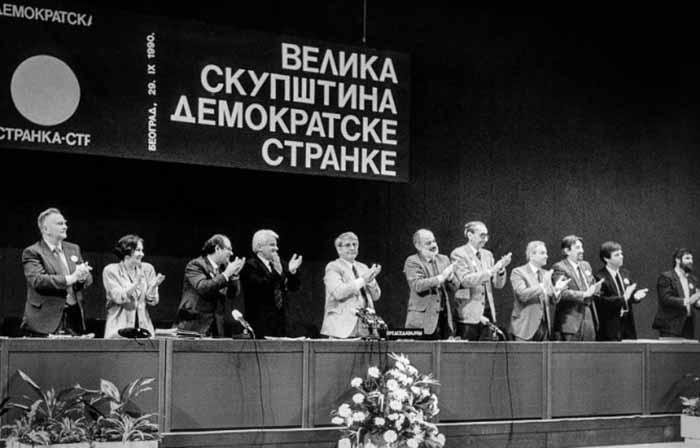
He was a heavy smoker, consuming two packs of cigarettes a day, and knew that lung cancer would likely be his fate. In his diaries, he even predicted roughly when it would happen, noting that he had ambitious plans—but only until the age of 60. He eventually died at 62. Tuberculosis, which doctors often say never truly disappears, only lies dormant, had already afflicted him during his years in prison. Although he underwent regular medical checkups, bronchial cancer proved especially deceptive, remaining undetected until it was too late.

He also enjoyed alcohol. When he could afford it, he drank whisky. While living in Belgrade, however, he usually settled for brandy or rakija. He preferred strong spirits, as wine—red or white—never suited him. One caused acidity, while he simply disliked the other. Whatever he did, he did intensely, including drinking. Yet he could consume large quantities of alcohol without appearing intoxicated, a trait his friends often remarked upon.

MORE TOPICS:
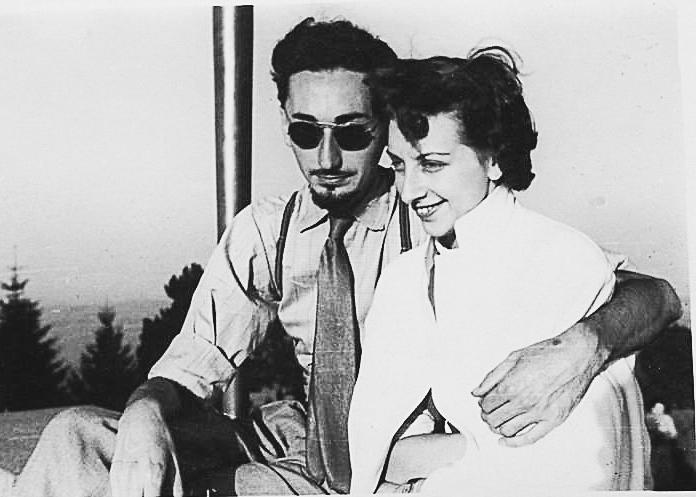
Source: Aleksandar Đuričić Foto: Wikipedia / Facebook Borislav Pekić
 Add Serbian Times as your Google source