




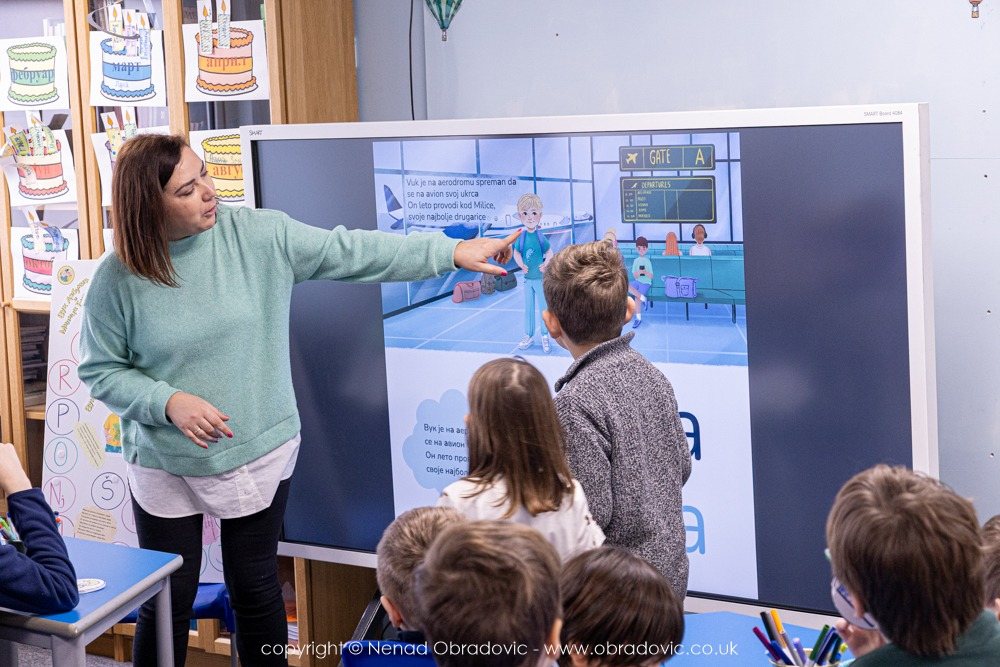
How to bring Cyrillic closer to children growing up thousands of kilometers from Serbia so that they love it, and not experience it as just another obligation?
Exactly from that question arose the book “Vuk Azbukić and Milica Ćirilica – Summer Vacation”, by author Milica Grahame, intended for children of Serbian origin growing up around the world. This book was not created in a publishing house nor as a business project. It arose from the daily life of a family in the diaspora.
Milica Grahame grew up in Aleksandrovac Župa, and has been living in England for twenty years. With her English husband, she is raising two children. Thanks to a job that she can do remotely, the family spends every summer in Serbia, where the children hang out with their grandmother, grandfather, relatives, and neighborhood children.
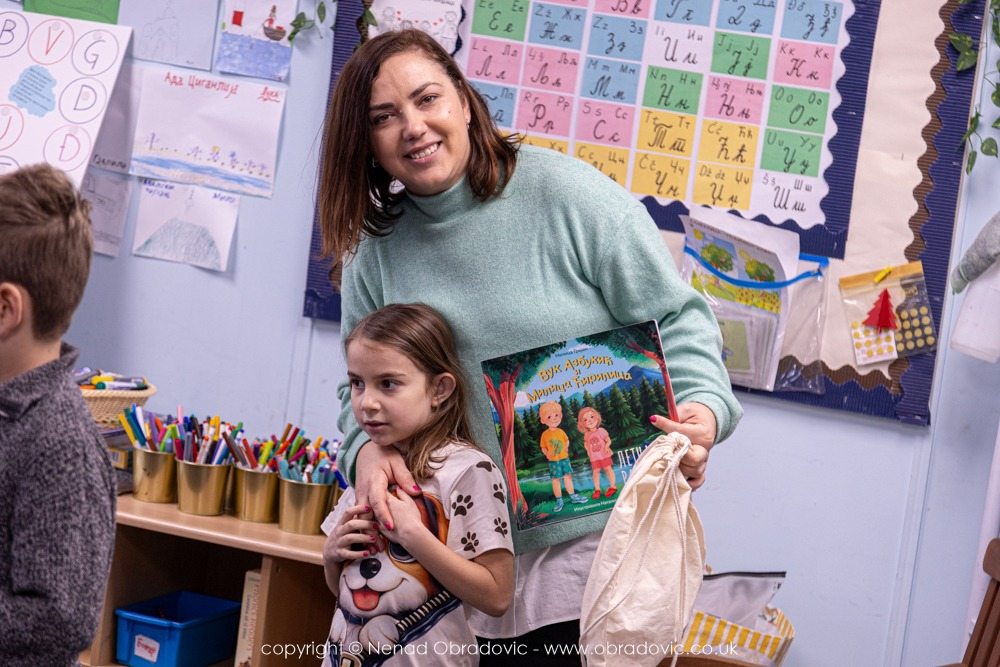
Those summers became the inspiration for the book.
-In Župa, my children learned that apples, pears, and cherries grow on trees, that strawberries do not come from a plastic package in the supermarket, and that eggs are found in the chicken coop. But, what means the most to me is that it was precisely there that they learned to speak good enough Serbian to be able to talk to my parents, Milica says at the beginning of the conversation for the Serbian Times, and adds:
-I wanted to convey a part of the atmosphere of our summers to other children in the diaspora. To let them get to know where they come from through the story, and for parents, while reading to them, to remember their vacations, grandmothers and grandfathers, relatives, the neighborhood, and everything that connects us to the homeland.
Milica believes that there are not enough books written specifically for children of Serbian origin growing up in the diaspora. These children often do not speak and understand the Serbian language in the same way as children growing up in Serbia. They need modern content that respects their connection to Serbia, but also the fact that they live between two languages and two cultures.
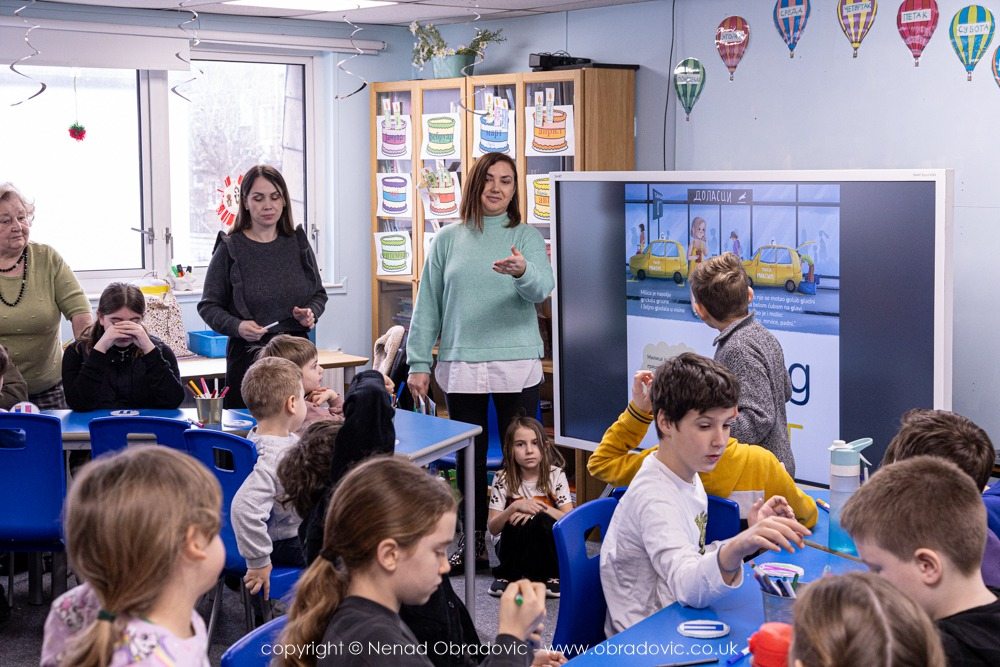
“Our children’s songs and books have immense value, but children in the diaspora often do not have the same linguistic and cultural context to understand them. In them, expressions, images, and ways of speaking are sometimes used that these children have never encountered, and because of that, they lose interest in them and look for books written in the language of the country where they are growing up”
In the book “Vuk Azbukić and Milica Ćirilica”, two pages are dedicated to each letter of the Serbian Cyrillic alphabet. On one page, there is a part of the story in verse, written parallel in Latin and Cyrillic script, along with an illustration and display of the letter in both scripts. On the other page, there are activities that encourage the child to recognize, write, and adopt Cyrillic letters through play.
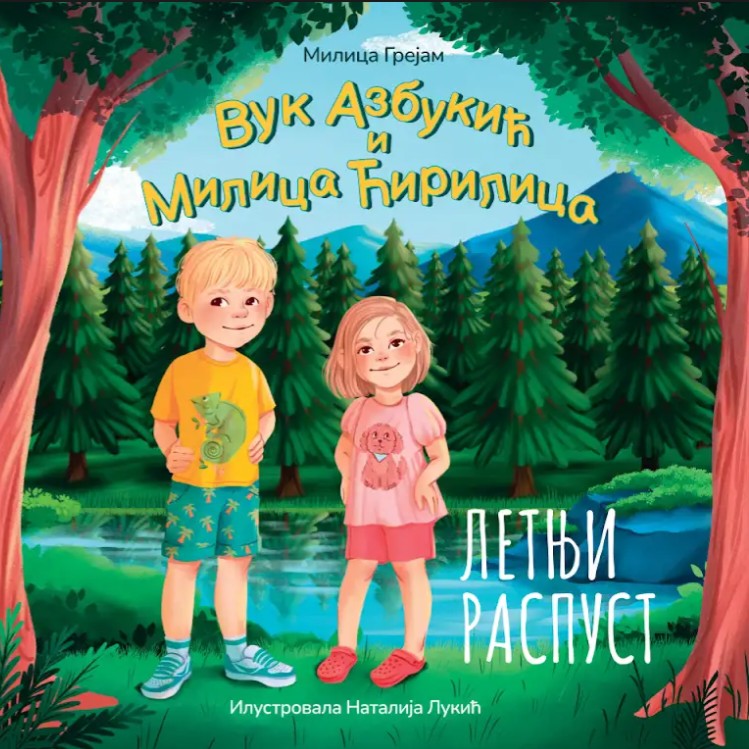
The publisher of the book is the Serbian language school Serbian Corner, and its experts with years of experience in working with children and teaching Serbian as a heritage language participated in its realization, so the book combines a modern story with a contemporary pedagogical approach.
It is interesting that the idea for the book arose at a parent-teacher meeting at a school in England. The teachers were explaining the phonics method to the parents, the way children learn to read and write the English alphabet.
-I sat and listened, and suddenly thought – wait, they are learning English according to Vuk! I was genuinely thrilled! Then I started thinking about how to bring reading the Serbian language, and even Cyrillic, closer to my children, using that English approach of learning through play.
Shortly thereafter, during Diversity Month, the author’s son was given a task at school to present a country with which he has a family connection. They presented Serbia and the Cyrillic script, and it was precisely then that the idea of Vuk Azbukić and Milica Ćirilica and presenting Cyrillic and Latin script side by side was established.
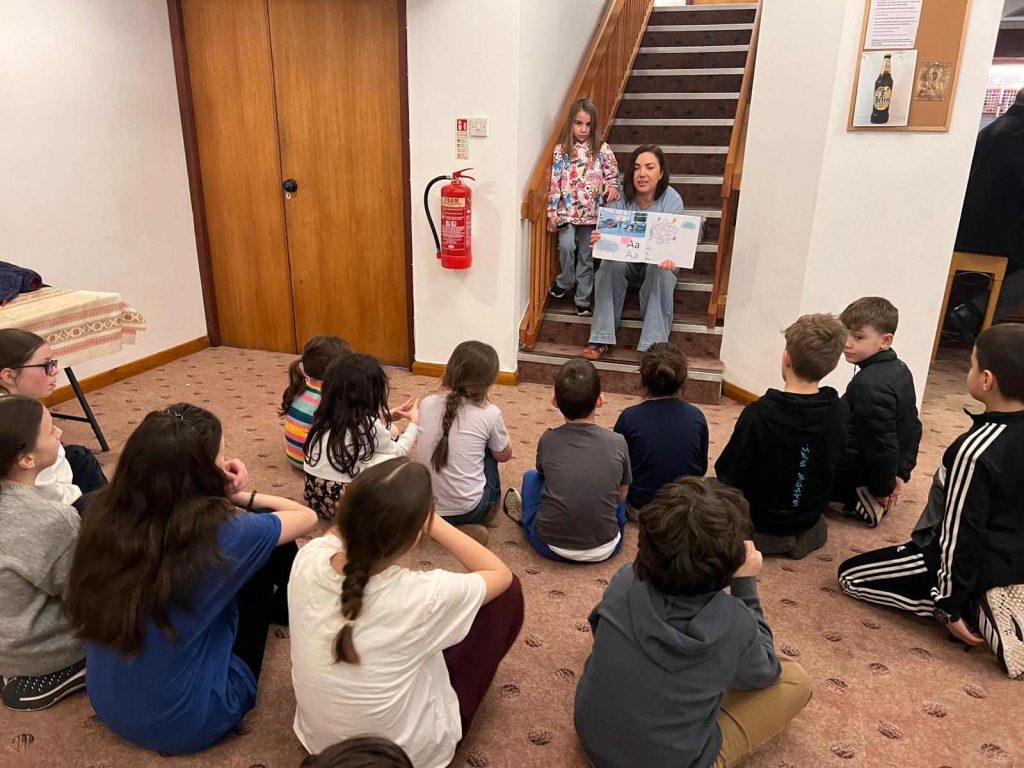
Milica came up with the first verses in the evening, while sitting next to the children waiting for them to fall asleep.
The manuscript then remained saved “in the cloud” for almost two years, while work and daily obligations took precedence. Only in the spring of 2024, with the great support of Aleksandra from the Serbian Corner school for the Serbian language, illustrators, professional associates, and everyone who recognized the value of the idea, did the manuscript begin to turn into a book.
Milica admits with a smile that it was only when the book was finished that she realized an interesting coincidence:
-Only then did I notice that the main character has the same name as me. But you must admit – Milica Ćirilica is really a great name for the heroine of a book about Cyrillic!
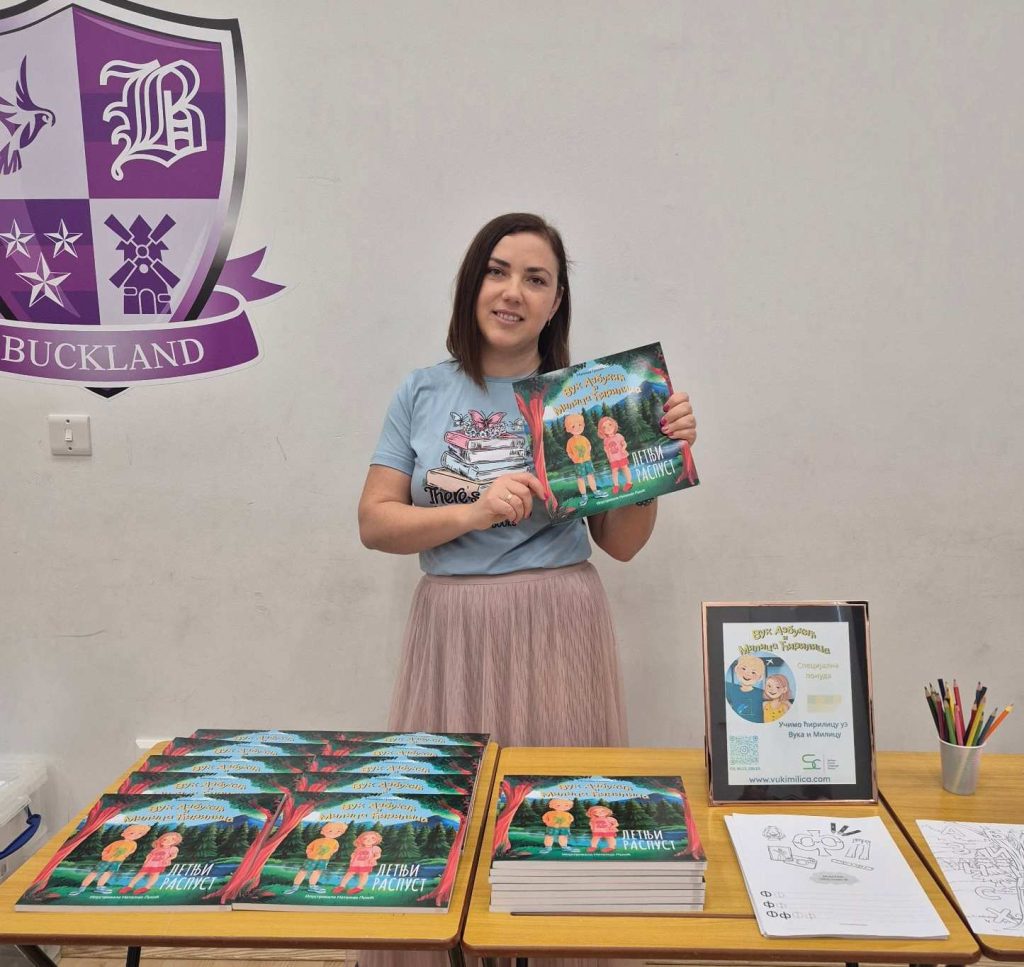
Today, the book is finding its way to families across Europe, America, and Australia, and its goal is much bigger than learning letters.
As it is written in the book’s preface, the wish of the author and all collaborators is that Cyrillic should not be a bogeyman for children, but a cheerful game of letters that preserves our stories and leads them into new imaginative worlds.
And maybe that is exactly the reason why many parents in the diaspora will recognize themselves in this story. Because this is not just a book about letters. This is a book about a childhood that deserves to be remembered. And Cyrillic is not just a script that children need to learn — it is a part of our identity, memories, and family bonds that we must not allow to be lost.
The book can be ordered via the website www.vukimilica.com, and in Chicago it can also be found in the Balkan Bakery store. More information is also available on the Instagram profile @vuk_milica_cirilica, and all questions and orders can be sent to Email: contact@vukimilica.com
Author: Serbian Times Photo: Privatna arhiva, Nenad Obradović
MORE TOPICS:
 Add Serbian Times as your Google source