




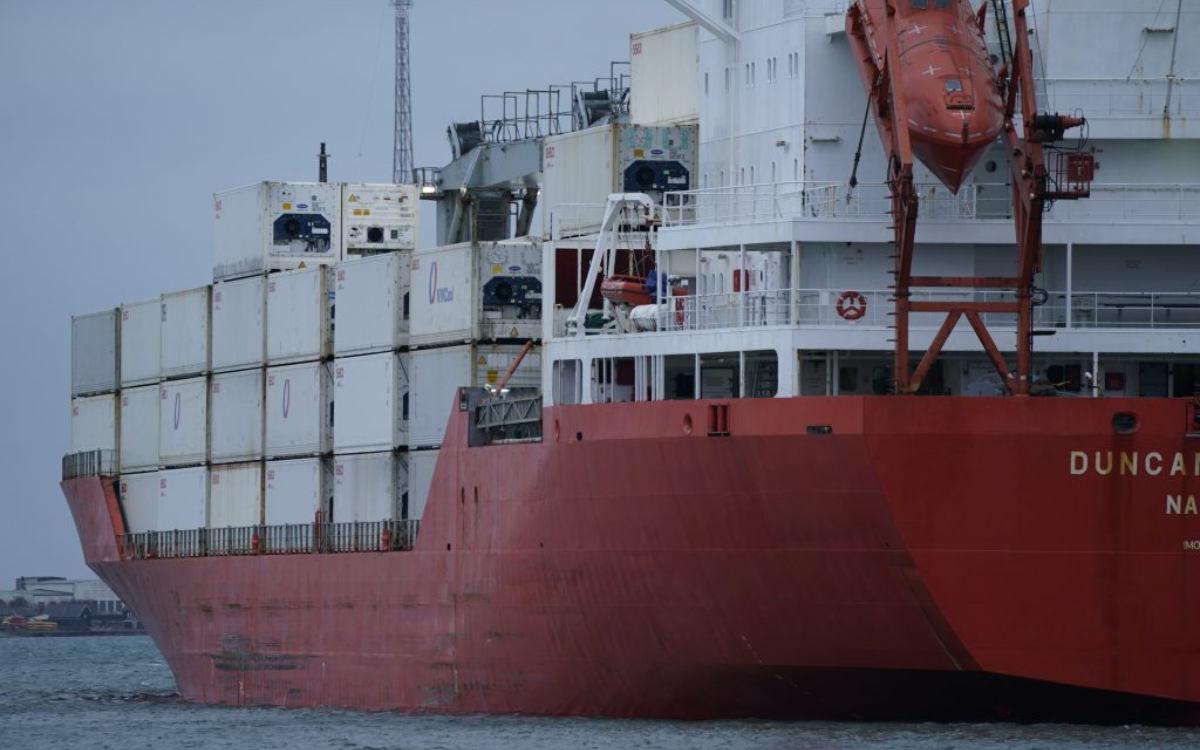
Cargo ships are lined up in long queues outside major US ports as the largest dockworkers’ strike in nearly half a century enters its third day. The inability to unload goods is threatening shortages of various products – from bananas to auto parts.
So far, no new negotiations have been scheduled between the International Longshoremen’s Association (ILA) and employers, but port owners are under pressure from the White House to increase their wage offers to reach an agreement. They have signaled they are open to new talks, Reuters reports.
“The longer this goes on, the more we’re going to feel the impacts. You simply can’t have a well-functioning supply chain if the ports on the East Coast and Gulf Coast aren’t operating,” said Transportation Secretary Pete Buttigieg.
At least 45 container ships have been unable to unload cargo at ports on the US East Coast and Gulf Coast.
“It seems that many have decided to wait, probably in the hope that the strike will be resolved quickly, rather than making a proactive decision to reroute,” said Jenna Santoro of Everestrim Analytics.
She estimates that the number of stranded ships could double by the end of the week and that such a situation could last for weeks, if not months.
One alternative is to sail to ports on the West Coast on the other side of the country via the Panama Canal, a journey of several thousand kilometers that would increase costs and further slow down deliveries.
As reported by Voice of America, 45,000 dockworkers from Maine to Texas have been on strike since Tuesday, the first major work stoppage since 1977, after talks on a new six-year contract with the US Maritime Alliance (USMX) group of employers broke down.
The International Longshoremen’s Association is seeking wage increases and a halt to port automation, which is expected to eliminate jobs. The Maritime Alliance has offered a 50% wage increase, but the Association has said it is not enough.
The administration of President Joe Biden has sided with the unions and is pressuring port employers to increase their offer. The administration has rejected calls from Republicans and employers to use its authority to end the strike, as this would reduce Democratic support among unions ahead of the November 5 presidential election.
The National Retail Federation, along with 272 other trade associations, has also called on the Biden administration to use its authority to end the strike, which could have “devastating consequences.”
The strike has affected 36 ports, including New York, Baltimore, and Houston.
Economists say that the closure of ports will not initially increase prices, as companies have accelerated deliveries of key goods in recent months, but a prolonged strike will also lead to price increases, and the first to be felt will be food prices, according to Morgan Stanley economists.
“After the first week, we can expect an impact on the prices of fruits, seafood, and coffee, as less goods will reach consumers and this will drive up prices,” says Tony Pellie of BSI Americas.
READ MORE:
MAJOR BLOW TO THE US ECONOMY: Dockworkers from Maine to Texas on strike!
TRUMP MAKES A FIRM PROMISE: Will deport migrants from Springfield back to their homeland!
MELANIA, WHEN NEEDED MOST: Donald Trump’s wife supports women’s right to abortion in a new book!
Source: Nova.rs
Photo: EPA-EFE/CLAUS BECH DENMARK OUT