




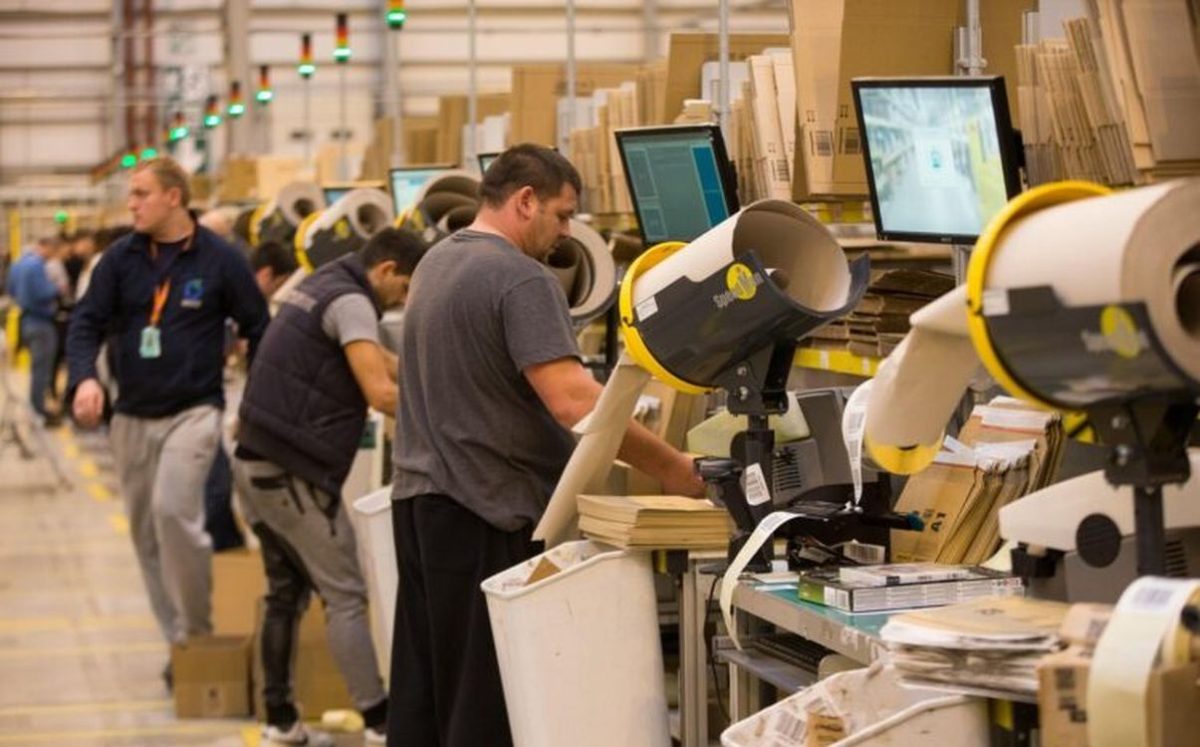
The results showing a huge difference in the average number of hours in countries with the longest and shortest working hours are a result of economic structures and social policies.
On last year’s list of countries, which included all countries in the world, Mexico, Costa Rica, and Chile were at the top with the highest number of working hours per week. In these countries, the average working year is around 2,200 hours, which translates to about 43-44 working hours per week. The main reason for longer working hours in these countries is the larger share of labor-intensive industries such as agriculture, as well as less developed social policies that allow for shorter working hours.
On the other hand, Germany, Denmark, and Norway have the shortest average working hours. In Germany, the average worker works around 1,343 hours a year, which means less than 27 hours a week. Cultures in these countries place a greater emphasis on work-life balance, and developed social policies support more flexible working conditions, according to the “Visual Capitalist” study.
FOLLOW US ON FACEBOOK:
Differences between the longest and shortest working hours can be as much as 900 hours per year, indicating significant differences in work cultures around the world.
Average weekly working hours according to Eurostat data in 2024 – full-time employees According to Eurostat data, Turkey is currently at the top with 44.2 working hours per week, followed by Serbia in second place with 41.7 hours per week, which is 0.2 hours per week more than in the “World Population Review” study. In third place is Bosnia and Herzegovina with 41.4 hours per week, followed by Greece 39.8, Romania 39.5, Poland 39.3, Croatia 38.1, Slovenia 38.1, etc. At the bottom of the list with the average hourly rate is the Netherlands with 32.2 and Austria with 33.6 hours. According to the Confederation of Independent Trade Unions of Serbia in 2022, the average working week lasted 43.5 hours, which is the highest on the Old Continent, writes “Pravni portal”. In a report from two years ago, the vice president of the Confederation of Independent Trade Unions, Duško Vuković, says that workers in Serbia are very productive and work a lot.
“A construction worker may receive a salary of 60,000 or 70,000 dinars, but behind that is not a working time of 174 hours as is the average or 190, but perhaps even 270 or 300 hours per month. All that to get a salary that someone will say tomorrow is big or that it is an increase”, said Vuković.
And that, he notes, does not only apply to the construction sector, but it is also a question of how employees in road transport, trade, catering, transport, and energy work. He states that people work 10 and 12 hours to receive a salary of 500, 600 or 700 euros. He points out that the Labor Law is not respected here, that the rules of the game are not respected, that workers work more than allowed, that they are forced to work to get a decent salary that can cover at least some means.
Countries with the shortest working weeks: Germany has one of the shortest working weeks, where the average worker works less than 27 hours a week (around 1,343 hours a year).
This is part of their long-standing policy that supports work-life balance, and only about 5% of employees work “very long” hours, according to “World Population Review”. Denmark and Norway also have relatively short working weeks of around 27-29 hours, as these countries focus on social equality, extensive social benefits, and flexible working conditions.
These differences are the result of different economic structures, labor law regulations, but also cultural expectations regarding work. Countries with shorter working hours often have high productivity per hour, which allows for maintaining a high standard of living despite shorter working hours.
READ MORE:
CROWNED KING OF SERBIAN AND MARITIME LANDS: Dušan the Mighty crowned in Kosovo on this day!
NEW RULES FOR SERBIAN GOODS IN KOSOVO: The ban remains, but entry will be possible at this crossing!
Source: Nova.rs
Photo: Geoffrey Robinson / Alamy / Alamy / Profimedia