



U.S. authorities have threatened to impose secondary sanctions on the National Bank of Serbia over payments made with the “Dina” card at NIS gas stations. According to Nova.rs sources, if this practice continues, sanctions will certainly be imposed.
President of Serbia Aleksandar Vučić stated that the National Bank of Serbia had received a warning regarding payments at gas stations using the “Dina” card. He said he hopes that the United States (USA) will not impose secondary sanctions on Serbian financial institutions for doing business with NIS at least until mid-December, so that Serbia can try to resolve the issue of sanctions against NIS.
However, experts say that these sanctions against major financial institutions such as the National Bank of Serbia are almost certain.
“If NIS continues to enable payments through DINA cards, as well as through cash transactions, there is a 100 percent possibility of secondary sanctions being imposed on Serbia,” lawyer Tomislav Šunjka, an expert on international sanctions, told Nova.rs.
He stated that secondary sanctions can cause serious consequences for a country’s financial system.
“These sanctions, which will almost certainly be imposed on us, primarily mean a ban on international transactions with Serbia. In addition, once secondary sanctions are introduced, all Western banks operating in Serbia will receive orders from their home countries to cease operations in our country, as will all foreign insurance companies. If sanctions affect the National Bank of Serbia, all financial institutions that correspond with it will withdraw from cooperation. In conclusion, secondary sanctions would mean the complete collapse of Serbia’s financial system and the exclusion of our country from modern civilization,” Šunjka emphasized.
What are secondary sanctions?
The Office of Foreign Assets Control (OFAC) of the U.S. Department of the Treasury enforces so-called secondary sanctions against foreign individuals and entities engaged in specific business transactions with entities already under primary U.S. sanctions.
“Unlike primary sanctions, which apply to U.S. persons or transactions connected to the U.S. financial system, secondary sanctions can be imposed on entities from other countries even when there is no direct link to the United States. The purpose of these measures is to increase pressure on countries, organizations, or individuals that are the subject of U.S. sanctions by deterring foreign companies and financial institutions from doing business with them,” Šunjka explained.
Secondary sanctions, he noted, can include restrictions on correspondent or other accounts in U.S. banks.
“They may also include bans on certain transactions with U.S. entities, placing a foreign entity on the Specially Designated Nationals (SDN) list, which prohibits business dealings with U.S. persons, as well as possible criminal or other legal liability in cases of deliberate violations. Through these rules, OFAC seeks to prevent indirect or concealed business dealings with sanctioned entities and to ensure consistent implementation of international financial restrictions,” Šunjka said.
To recall, Serbian President Aleksandar Vučić stated yesterday that he hopes the U.S. will not impose secondary sanctions on Serbian financial institutions at least until mid-December.
“I am asking our American partners, if they can hear me now — and I know they do, because they closely follow every statement — please do not impose so-called secondary sanctions on our financial institutions for doing business with NIS. Let us continue at least until mid-December to try to resolve all our problems. Then, if you must, give us at least a seven-day notice so we can warn everyone and ensure a safe life and secure future for our banks, especially Poštanska štedionica, but also other banks operating in our system,” Vučić told reporters in Tashkent.
When asked to comment on media reports that the U.S. is unwilling to compromise regarding NIS and expects the Serbian government to completely remove Russian ownership from the oil company, Vučić said he was not pleased with such a stance.
It should be recalled that after U.S. sanctions were imposed on NIS in early October, the company suspended payments for fuel by all cards except DINA and introduced cash payments.
NBS issues a statement
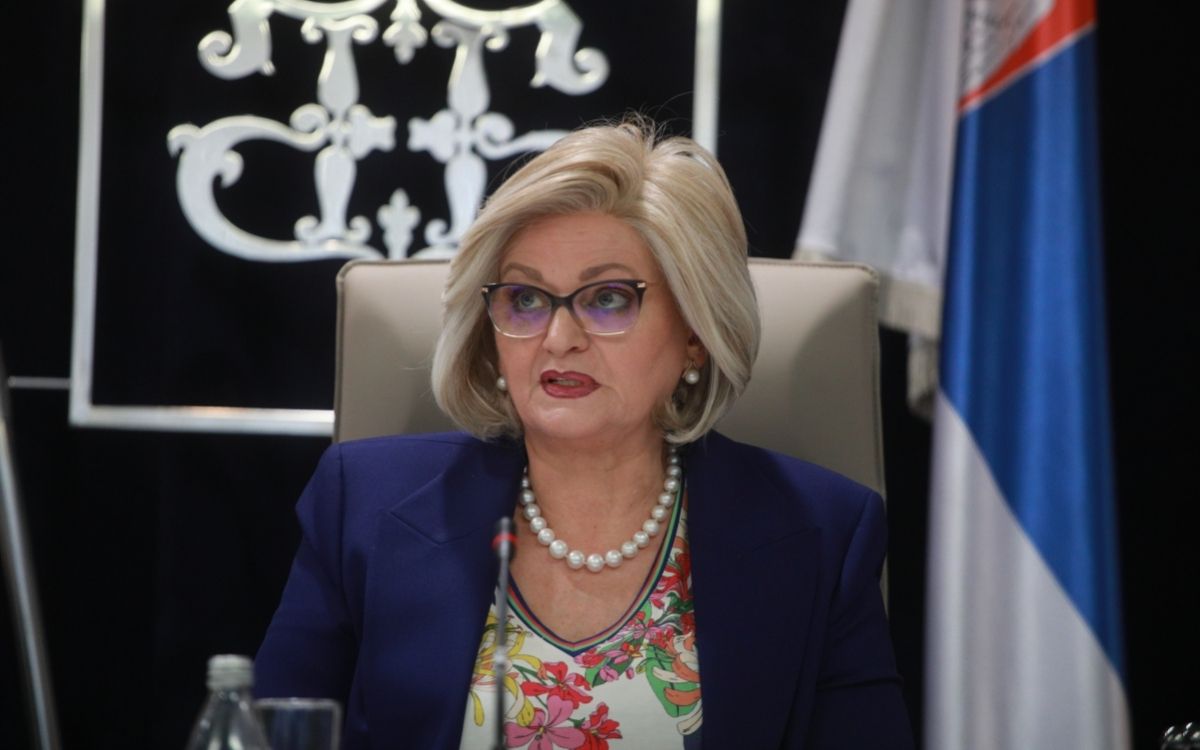
The National Bank of Serbia (NBS) announced today that claims suggesting sanctions against the NBS are “almost certain” due to payments with the Dina card at Naftna industrija Srbije (NIS) gas stations represent unfounded fearmongering.
The Dina card is a domestic payment instrument, just like the dinar or cash and instant payments, the statement said, adding that the issue of NIS is being addressed at the highest state level and that the public will be promptly informed about concrete solutions.
MORE TOPICS:
“ROADS OF SERBIA” DENY THEMSELVES: The roads to Novi Sad will not be closed!
Source: Nova.rs, Telegraf; Foto: ATA Images
 Add Serbian Times as your Google source