




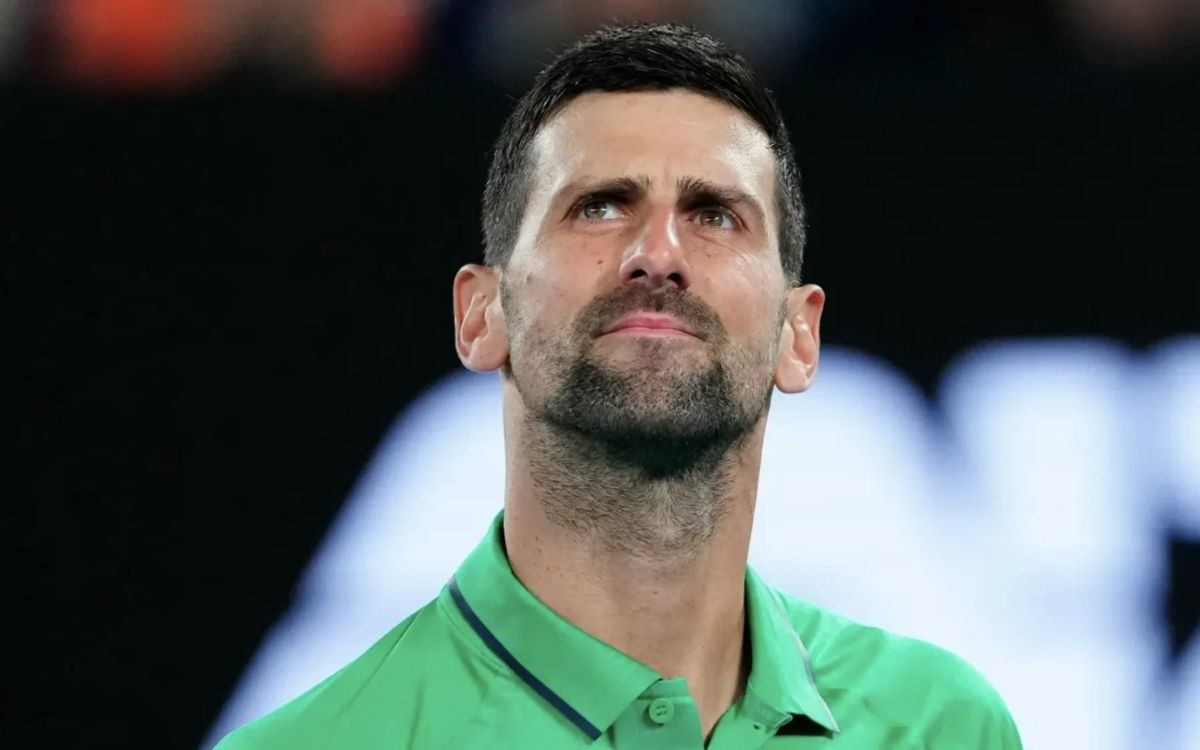
Dr. Robi Sika, medical director of the Association of Tennis Professionals tennis players, addressed the problems faced by Novak Đoković.
Sika points out that endurance does not suddenly decline when an athlete enters their thirties, but recovery efficiency decreases significantly.
“The difference becomes apparent when you ask the body to sprint, stop, change direction, recover – and then repeat it a hundred times over several hours, and potentially again two days later. Recovery between points, between sets and between matches becomes less efficient,” Sika said, as reported by “The New York Times.”
Some of the conditions inherent to Grand Slam tournaments, such as best-of-five-set matches that can stretch into the night, only make the whole situation worse.
“Tendons become stiffer, joints and muscles have absorbed decades of strain, and minor injuries and degenerative changes accumulate. That can subtly change movement efficiency, so an older player may expend more energy performing the same movement,” Sika added.
Younger players can use up 85-90 percent of their energy reserves during demanding matches, while later in their careers that figure can approach 100 percent.
“I wouldn’t say that he vomits because he is older. I would say that recurring nausea can be a visible sign of how close the body is to its limit. And as the boundary between sustainable exertion and maximal exertion narrows with age, it can potentially be easier to reach that point,” Sika emphasized.
Let us recall that Đoković was eliminated in the first round of the US Open by Mariano Navone, showing visible signs of exhaustion along the way. The Serbian ace was eliminated in the first round of the US Open for the first time in his career, after winning his opening-round match 19 consecutive times.
READ MORE:
MORE TOPICS:
Source: Nova ; Foto: Printscreen X
 Add Serbian Times as your Google source