




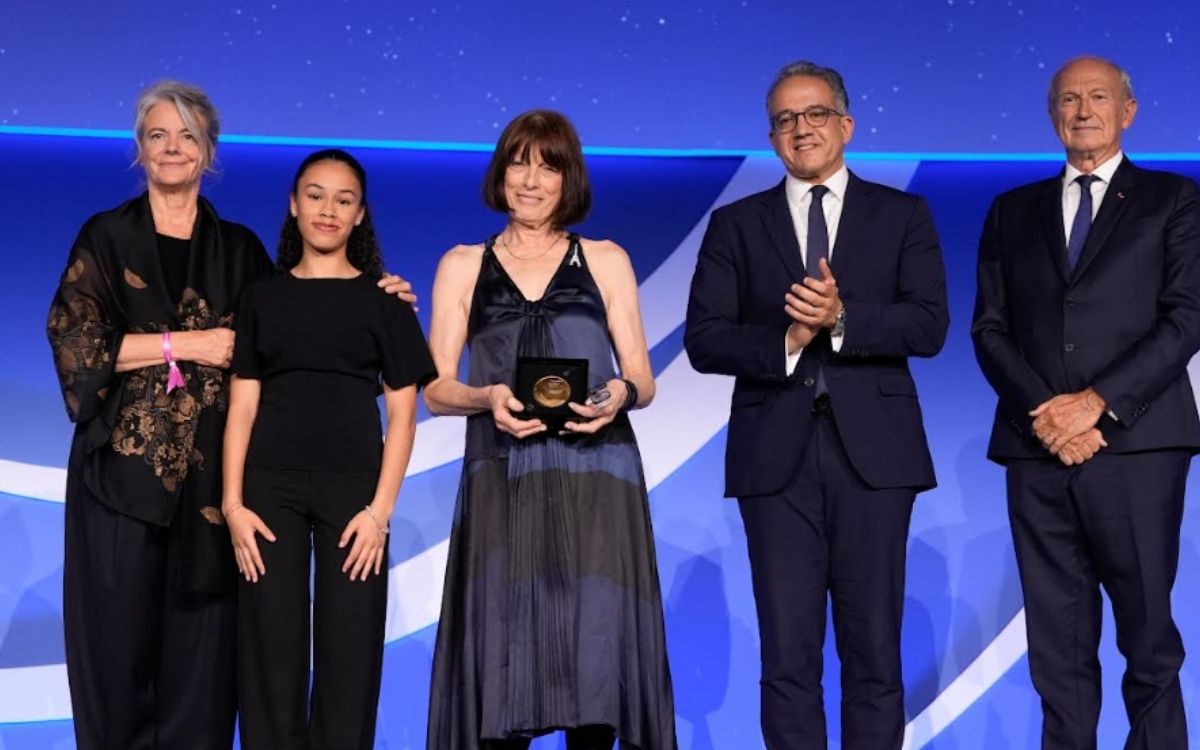
At a solemn ceremony held last night at UNESCO headquarters in Paris, Professor Gordana Vunjak-Novaković was awarded the prestigious international “L’Oréal–UNESCO For Women in Science” prize for 2026. The Serbian-American scientist, a pioneer of regenerative medicine and professor at Columbia University, was recognized as the laureate for North America for her exceptional contribution to the development of human tissue bioengineering and the advancement of human health.
Professor Vunjak-Novaković received the recognition for her pioneering work in the field of human tissue engineering, including the development of technologies for growing bone grafts tailored to each patient, as well as bioengineering of human lungs for life-saving transplants. Her research pushes the boundaries of regenerative medicine and opens new possibilities for the development of personalized therapies.
A particularly significant contribution is the development of systems known as “organs-on-a-chip,” which faithfully reproduce the complexity of human diseases, including cardiomyopathies and metastatic forms of cancer. These technologies enable scientists to study diseases and test therapies in a way that is closer to real conditions in the human body.
In the Stem Cell and Tissue Engineering Laboratory at Columbia University, Professor Vunjak-Novaković and her team develop technologies for growing human tissues under laboratory conditions for body regeneration – from bone fracture healing to the recovery of damaged lungs, liver, and heart. Her long-term vision is the creation of universal stem cells that would enable the regeneration of vital organs without the need for immunosuppressive therapy after transplantation.
– Our work is often described as a workshop for the body, for treating injured or diseased organs, helping people live longer and healthier lives – said Professor Vunjak-Novaković. – Our vision is to grow biological replacements for human tissues by giving cells “instructions” on how to form functional tissues tailored to each patient. Ultimately, this work will enable effective personalized therapies.
This year’s laureates were selected from a record 504 nominations from 89 countries around the world. The awards were given to scientists whose research makes a key contribution to solving global health and environmental challenges – from regenerative medicine and genomics to agricultural innovation and research on the impact of nutrition on mental health.
Alongside Professor Vunjak, awards were given to Professor Lizl Cilke for cardiac and cardiovascular systems (laureate for Africa and Arab states), Professor Felise Džaka for psychiatry (laureate for Asia and the Pacific), Professor Sara A. Tajhman in the field of cell biology (laureate for Europe), and the laureate for Latin America and the Caribbean – Professor Raquel Lija Čan in agricultural biotechnology.
The “L’Oréal–UNESCO For Women in Science” program, which this year marks its 28th edition, has so far supported more than 5,000 scientists from over 140 countries worldwide. Since 1998, 142 international awards have been given, and as many as seven laureates later went on to win the Nobel Prize in science.
Speaking about the importance of the program, Jean-Paul Agon, President of the L’Oréal Foundation, emphasized that women play a key role in the advancement of science, but still face systemic barriers that limit their full contribution to scientific research.
.@UNESCO hosted the 2026 L’Oréal–UNESCO #ForWomenInScience International Awards Ceremony at its Paris Headquarters, marking 28 years of advancing women in science.
— UNESCO 🏛️ #Education #Sciences #Culture 🇺🇳 (@UNESCO) June 11, 2026
These year’s five laureates are transforming how we understand and respond to global health and environmental… pic.twitter.com/c3jAzttoeX
– This year our program reached a historic milestone: 5,000 scientists supported in 140 countries worldwide. That is 5,000 women who, despite obstacles, were given the opportunity to push the boundaries of science – Agon said.
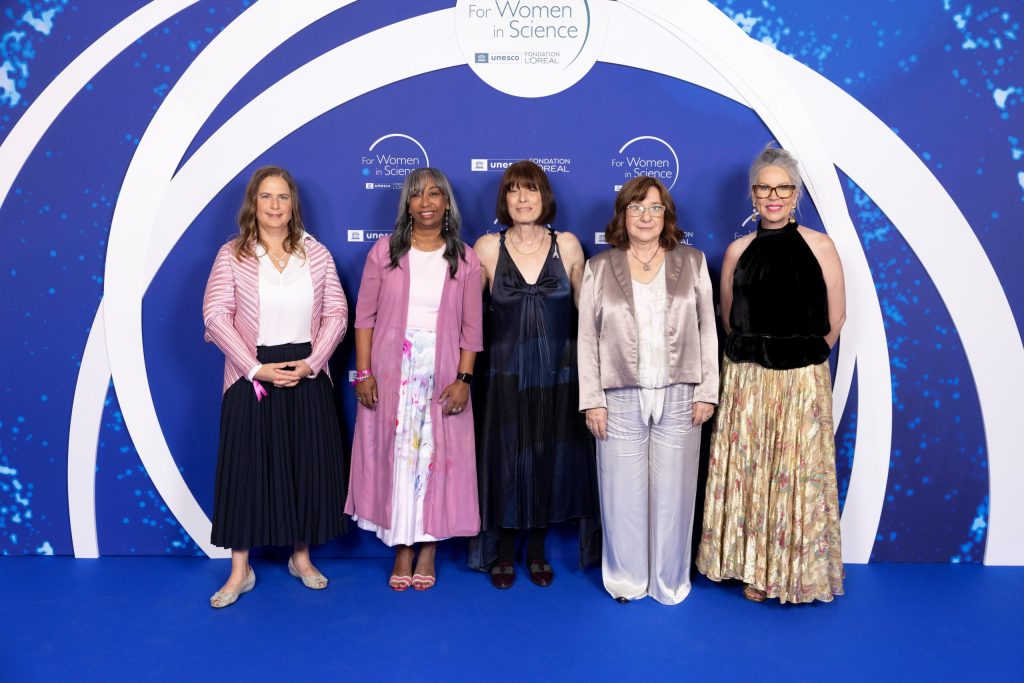
UNESCO Director-General Khaled El-Enany emphasized that science can achieve its full potential only when it is open to all talents, and that empowering women in science is a prerequisite for innovation and sustainable development.
– The 2026 laureates embody the transformative power of science when diversity is given the opportunity to flourish – El-Enany said.
MORE TOPICS:
TWO GREAT TRAGEDIES ON THE VELIKA MORAVA: First a girl (13) drowned, and then two boys aged 15!
THE PETER’S FAST BEGINS TODAY: Here is how long it lasts and what should be observed!
Source: Serbian Times, Foto: Fondacija L’Oréal