



Montenegro has paved the way for renaming the “Zoran Džimi Gopčević” municipal swimming pool in Kotor by adopting amendments to its Sports Law, fulfilling one of Croatia’s demands in resolving outstanding issues between the two countries, Hina reports.
Late last night, Montenegro’s Parliament adopted amendments to the law stipulating, among other things, that sports facilities may be named after people who have been dead for at least 40 years.
Twenty-six years have passed since the death of water polo player Zoran Gopčević, whom former detainees claim served as a guard at the Morinj prison camp.
The new legislation also stipulates that the names of sports facilities will cease to be valid if they do not meet the prescribed requirements. This means that, once the law is published in the Official Gazette and the relevant procedures are completed, the swimming pool in Kotor will no longer bear Gopčević’s name.
According to the Podgorica-based newspaper Vijesti, the Montenegrin authorities decided to take this step after the local government in Kotor failed to secure the necessary majority to change the pool’s name.
Croatia blocked the closure of a negotiating chapter
Zagreb previously withheld its consent to the closure of negotiating Chapter 31, which concerns foreign, security and defense policy.
Among other things, Croatia is demanding the return of property confiscated from Croats in Montenegro, compensation for former detainees from Morinj, clarification of the fate of people who went missing during the war in Croatia, and the renaming of the swimming pool in Kotor.
In August 2021, the Kotor municipal assembly decided to name the pool after Zoran Gopčević, whom local authorities described as one of Montenegro’s greatest water polo players.
The decision provoked strong reactions in Zagreb amid allegations that Gopčević had served as a guard at the Morinj prison camp. Croatian water polo clubs and the national team consequently refused to play matches at the pool.
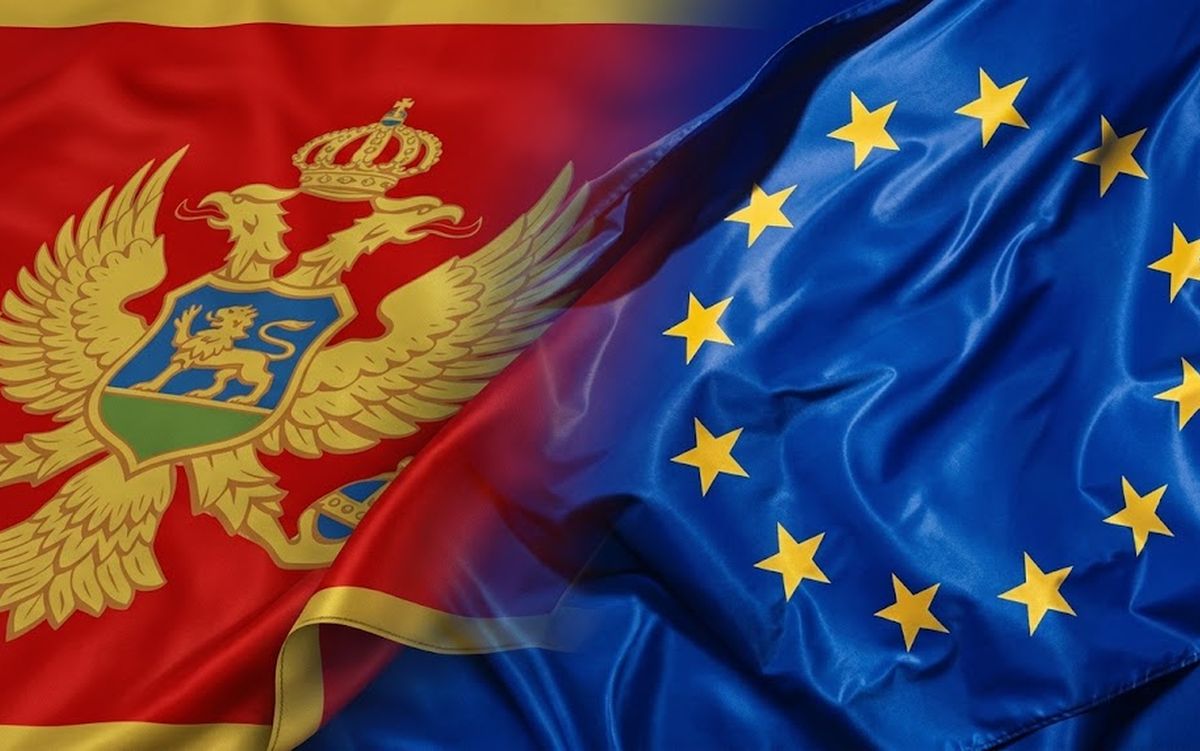
Montenegro aims to join the EU by 2028
Montenegro is currently the most advanced candidate for European Union membership. It recently provisionally closed three more negotiating chapters, bringing the total to 21 out of 33.
Authorities in Podgorica plan to conclude accession negotiations by the end of 2026, with the aim of Montenegro becoming the European Union’s 28th member in 2028.
Relations between Podgorica and Zagreb are strained not only by the dispute over the Kotor swimming pool, but also by disagreements over ownership of the training ship “Jadran,” the border demarcation at Prevlaka, property restitution and the legacy of the war.
Croatia insists that outstanding issues be resolved as part of Montenegro’s European integration process, while Podgorica says it is ready for dialogue but believes bilateral disputes should not slow down accession to the European Union.
MORE TOPICS:
Source: Nova Foto: Instagram Printscreen
 Add Serbian Times as your Google source