




On the same day that Zabela Prison governor Rodoljub Rončević was arrested, the head of the Niš Correctional Institution, Bratislav Dikić, decided to address his employees. In a letter sent to staff, he admitted his mistake and accepted personal responsibility for the fact that the Niš Correctional Institution, following what he described as instructions from the leadership of the Administration for the Enforcement of Criminal Sanctions (UIKS), had gone beyond its legal duty to organize voting for detainees and convicted prisoners and taken part in activities outside its jurisdiction – monitoring so-called grassroots votes, collecting information about voter turnout and forwarding the data to the central headquarters.
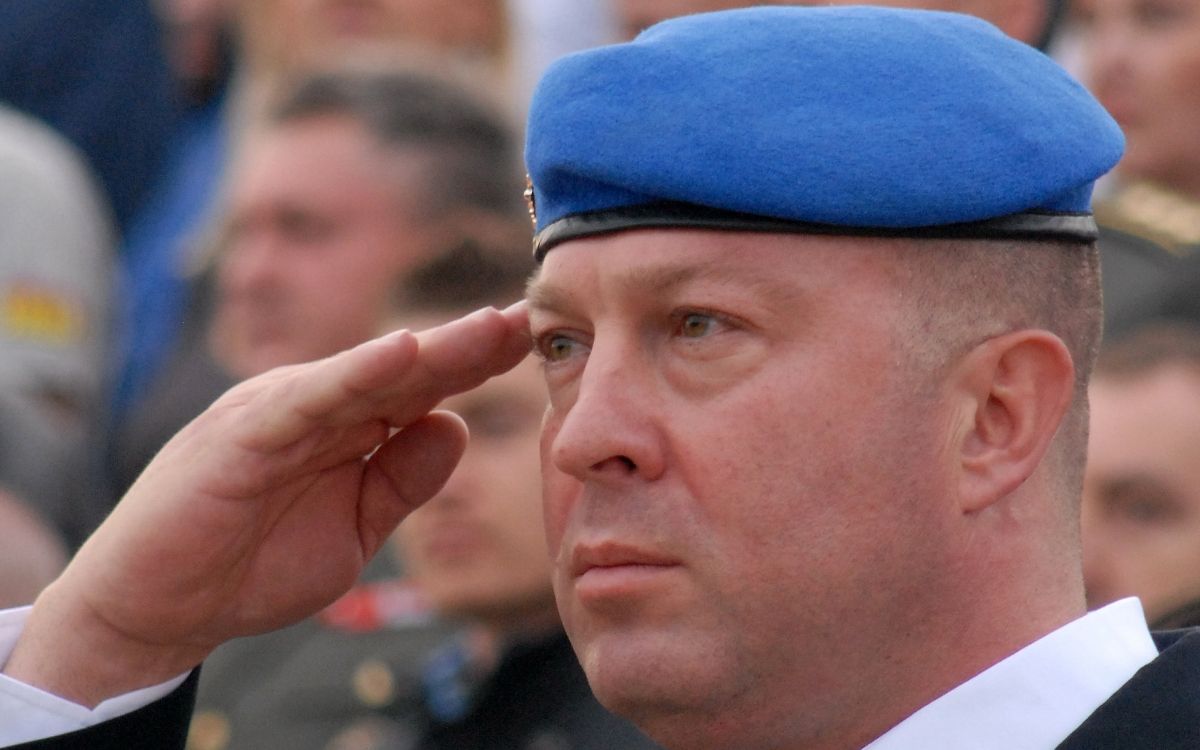
Retired police general and former head of the Gendarmerie Bratislav Dikić is currently in charge of the Niš Correctional Institution. On the day his colleague, Rodoljub Rončević, governor of Zabela Prison in Požarevac, was arrested on suspicion of abusing his official position and giving and receiving bribes in connection with voting, Dikić decided to address his colleagues.
Interestingly, before this statement was issued, officers from the Criminal Police Directorate entered Zabela following allegations that, on election day, October 25, a Serbian Progressive Party (SNS) call center had been operating inside the institution and that grassroots votes had been collected. There were also allegations that some convicted prisoners had been offered cartons of cigarettes from a truck parked in the prison yard in exchange for their votes.
We are publishing the full letter from Bratislav Dikić, which lawyer Ivan Ninić posted on his X account:
“Following the elections and the events that subsequently took place in certain parts of Serbia, I consider it my duty to address all employees and remind them of the basic principles that must guide us in the performance of our official duties.
The Republic of Serbia is a state governed by the rule of law and a democratic country. We are all obliged to respect the Constitution, laws, institutions and democratically elected authorities, which derive their legitimacy from elections conducted in accordance with the law. The will of the voters must be respected, while any irregularities must be addressed exclusively through legally prescribed procedures and before the competent authorities.
We are civil servants and employees of an institution whose work is of particular importance for security and the functioning of the legal order. Our obligation is to perform our duties lawfully, impartially, responsibly and professionally, regardless of political circumstances or personal political beliefs.
Everyone has the right to their own political views, but no one has the right to use their position, official powers, authority or institutional resources for political activities. In carrying out our official duties, we must remain politically neutral and impartial. We must not publicly engage in political activities in our capacity as officials, nor act in a way that creates the impression that the Correctional Institution or its employees represent the interests of any political party or organization.
I particularly emphasize that none of us has the right to influence the electoral will of citizens in any way, especially those deprived of their liberty who fall under our direct official authority. Their right to decide freely, independently and secretly whether to vote and for whom must be fully protected. Our obligation is to enable them to exercise their voting rights in accordance with the law, without pressure, suggestions, persuasion, coercion or any other form of influence.
Regarding the criticism and accusations that have appeared in public over the past few days concerning employees of the UIKS and the Niš Correctional Institution, I wish to clarify what our official responsibilities were, while also pointing out the mistakes that must never be repeated.
It is true that on election day we organized and conducted voting for persons deprived of their liberty at polling station number 26, in accordance with the law and prescribed procedures. This was our legal and official obligation. Based on the information available to me, we did not interfere with the independence and freedom of choice of those deprived of their liberty on that occasion. Such interference must not occur under any circumstances.
However, in addition to these legally defined activities, following orders and instructions from the organizational ‘Headquarters’ of the Administration for the Enforcement of Criminal Sanctions, an operational headquarters was established at the ‘Training and Development Center’. It collected reports from other institutions, namely: the Vranje District Prison, the Leskovac Correctional Institution, the Prokuplje District Prison, the Zaječar District Prison and the Niš Correctional Institution, and forwarded them to the central ‘Headquarters’.
In addition, we received requests to monitor activities related to so-called grassroots votes, collect information about voter turnout and submit reports on the matter.
This is precisely where I must be absolutely clear.
By accepting and carrying out such activities, we committed a professional error because we failed to establish a clear distinction between our official duties and activities that do not fall within the scope of our responsibilities.
Our obligation was to ensure that voting by persons deprived of their liberty in our institutions was conducted lawfully and safely, not to monitor political activities, collect data on grassroots votes or track voter turnout.
The fact that such requests came from senior management or were presented to us as activities serving the interests of the state does not relieve us of our obligation to assess their legality, justification and connection to the duties we perform.
As governor, I accept my share of responsibility for failing to recognize and put a stop to this mixing of official activities with tasks that were not directly related to our jurisdiction.
We were wrong. And such a mistake must never happen again.
I want you to know that I believed we were acting in the interests of the Republic of Serbia, protecting its institutions and carrying out the requests of our superiors. However, I now believe that we should have demonstrated greater professional independence and a more critical attitude toward requests that were not directly connected to our official responsibilities.
The interests of the state are not protected by blindly carrying out every order, but by consistently respecting the Constitution, the law and professional standards. Every employee is expected to act within the limits of their authority and appropriately raise concerns about orders and requests that may not comply with the law or their official responsibilities.
We have a particular responsibility when it comes to safeguarding property, belongings, documentation and other assets entrusted to us by the state for management, use and protection.
I particularly emphasize the obligation to properly handle items seized, temporarily confiscated or impounded during criminal proceedings, as well as other objects and evidentiary material. They must be stored, recorded and secured in accordance with the law and prescribed procedures. Any unauthorized disposal, use, removal or transfer of such items and information is prohibited.
EXCLUSIVE: Among prison governors, we are witnessing the first, calculated attempt to switch sides and join the winning camp 👇
General Bratislav Dikić is condemning himself and his own actions, saying he believed he was serving Serbia in this way, while also promising that it will never happen again (1/3) 👇 https://t.co/Mp4rBxkfz0 — Ivan Ninić (@INinic) November 6, 2026
Likewise, official premises, telephones, computers, vehicles, official documentation and other resources entrusted to us must not be used for activities unrelated to our professional duties, especially not for the needs of political parties or organizations.
Every employee is obliged to protect confidential information and personal data obtained in the course of their work, comply with personal data protection regulations and refrain from disclosing information to third parties without authorization.
I expect all heads of organizational units to ensure the consistent application of these principles and to set a personal example of how the legality, professional integrity and reputation of the institution should be protected.
The interests of the state are not protected by blindly carrying out every order, but by consistently respecting the Constitution, the law and professional standards. Every employee is expected to act within the limits of their authority and appropriately raise concerns about orders and requests that may not comply with the law or their official responsibilities.
We have a particular responsibility when it comes to safeguarding property, belongings, documentation and other assets entrusted to us by the state for management, use and protection.
I particularly emphasize the obligation to properly handle items seized, temporarily confiscated or impounded during criminal proceedings, as well as other objects and evidentiary material. They must be stored, recorded and secured in accordance with the law and prescribed procedures. Any unauthorized disposal, use, removal or transfer of such items and information is prohibited.
Likewise, official premises, telephones, computers, vehicles, official documentation and other resources entrusted to us must not be used for activities unrelated to our professional duties, especially not for the needs of political parties or organizations.
Every employee is obliged to protect confidential information and personal data obtained in the course of their work, comply with personal data protection regulations and refrain from disclosing information to third parties without authorization.
I expect all heads of organizational units to ensure the consistent application of these principles and to set a personal example of how the legality, professional integrity and reputation of the institution should be protected.
Our priority remains the uninterrupted functioning of the Niš Correctional Institution, the safety of employees, persons deprived of their liberty and citizens, as well as the consistent performance of duties established by law. Political changes, personal affiliations and anyone’s interests must not affect our work, mutual relations or professional responsibility.
Finally, I wish to personally apologize to all employees if, through my actions, acceptance of the ‘Headquarters’ instructions and trust in senior management, I contributed to our official activities becoming associated with political activities.
I believed that in this way we were carrying out the orders of the UIKS, contributing to the protection of the Republic of Serbia and its institutions. However, I have realized that good intentions cannot replace legality and that none of us, regardless of position or function, must disregard the limits of our official authority.
I want us to be civil servants whom citizens trust and respect because of our work, expertise, honesty and accountability, not because of our political affiliations or anyone’s support.
Our sole obligation in public service is to respect the Constitution and the law, protect state property, safeguard security and perform our duties with dignity and professionalism.
We serve the Republic of Serbia – we respect the law – we are accountable to the citizens!”
MORE TOPICS:
Source: Nova.rs, Foto: Milos Rafailovic / ATAImages
 Add Serbian Times as your Google source