




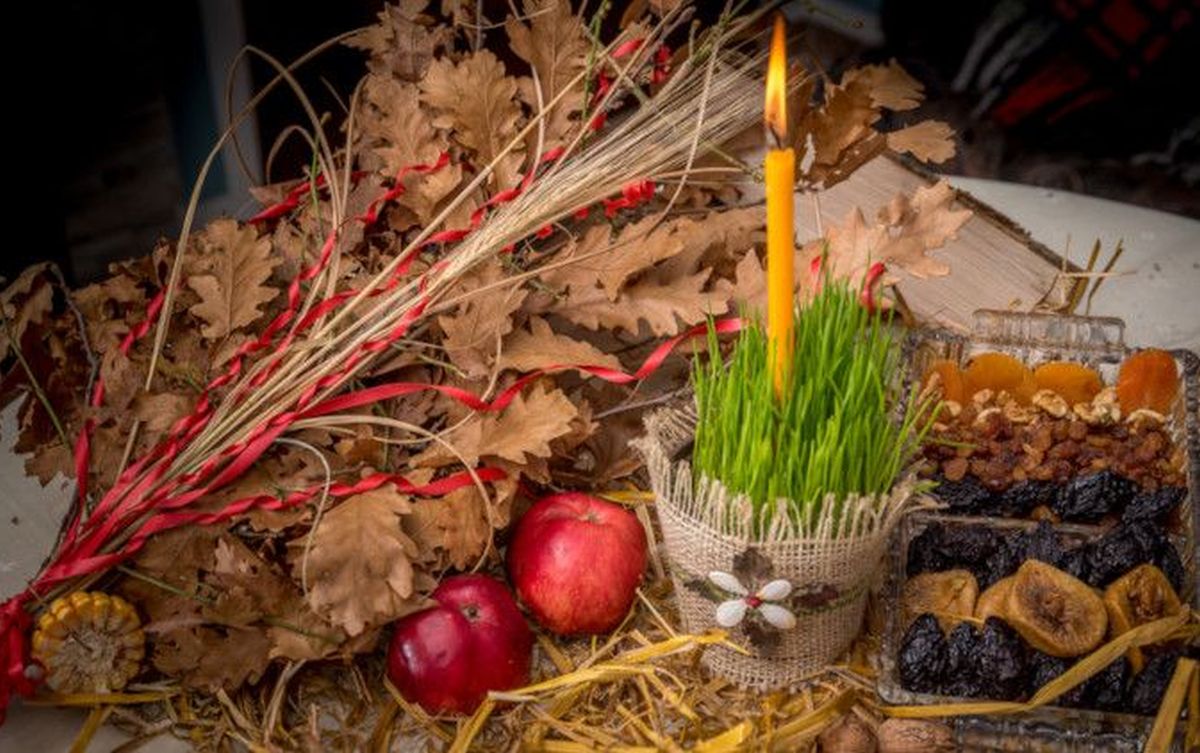
The name Badnji dan (Christmas Eve) is derived from the “badnjak,” a log that is cut and burned on that day.
Badnji dan and Christmas are inseparable, not only because they follow one another but also because they complement the beliefs and customs that people associate with them.
Badnji dan is the last day of the Christmas fast. The day before is called Tucindan, and the following day is Christmas Day.
Badnji dan is full of rituals and symbolism, vivid actions, and they are all connected to family and hearth cults.
Folk customs related to Badnji dan are quite old, and many customs have been lost or forgotten over time. In different regions, customs may differ in some elements, and in many regions, many customs have been lost. The combination of this contributes to significant differences in customs from end to end and from village to village. However, despite so much diversity and differences, there are still many common customs that are very similar.
The burning of the badnjak is associated with fire and the hearth. The burning of the badnjak is the central element of the symbolism of the birth of a new sun, as Badnji dan is immediately after the shortest day. The young oak tree was given to the fire by burning for the new year, and the handfuls of sparks thrown into the sky announced many offspring and yields.
Housewives will start the day by preparing a Lenten meal for Christmas Eve.
The festive Lenten meal should include: beans, fish, baklava, bread, and pie.
The table should exude abundance but in a simple way. The goal of the dinner is to gather the family in the house.
PROČITAJTE VIŠE:
The most important custom for Christmas Eve is not to visit guests.
The streets are empty because everyone has “gathered” in the house to welcome the birth of the Son of God, Jesus Christ, as a family.
At dawn, with the blows of an axe, a young oak tree says goodbye to the sun. It is cut with three blows so that it falls towards the east.
The badnjak is a symbol of the tree that, according to legend, the shepherds brought to Joseph and Mary to light a fire and warm the cave where Jesus was born.
Its burning is the main part of this holiday, but the badnjak will remain leaning against the house from dawn until dusk, and only then will it be brought inside, while being sprinkled with grain.
The badnjak is burned with special respect, and prayers are offered for health, happiness, and peace.
The badnjak burns until Christmas, foreshadowing the new light brought by faith in the newborn Christ.
Christmas is just around the corner – miracles are possible!
READ MORE:
MONSTER ALMOST ESCAPED: Cetinje killer hid among inspectors, one detail gave him away!
Source: Magazin Novosti, Photo: Shutterstock