




Serbia is threatened with the loss of up to 1.5 billion euros from European Union funds, as the European Commission considers the possibility of suspending funding due to setbacks in the field of democracy and the country’s close ties with Russia.
Although not an EU member, Serbia has been in accession negotiations since 2014, which allows it access to funds and grants intended for implementing legal reforms. A decision to suspend payments would further complicate the EU enlargement process at a time when countries like Ukraine and Montenegro are accelerating their path toward membership, while influential states like France call for caution.
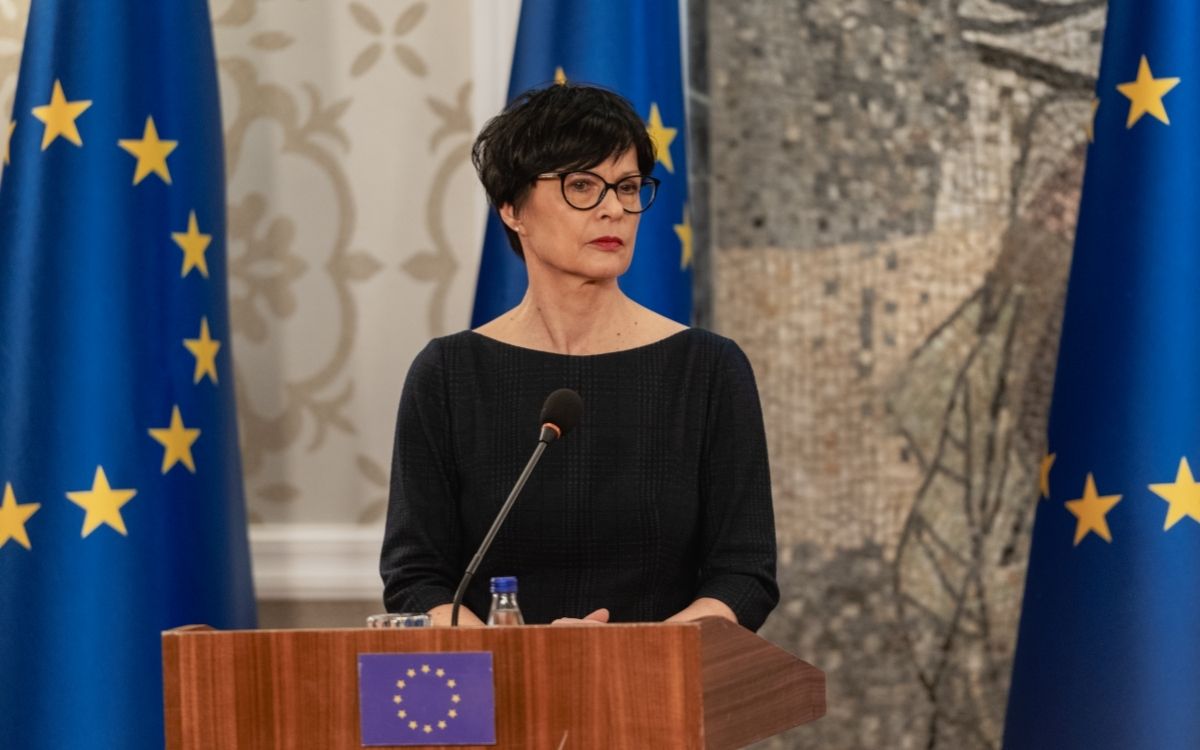
“We are increasingly concerned about what is happening in Serbia,” European Commissioner for Enlargement Marta Kos told POLITICO. “From laws that undermine the independence of the judiciary, to the crackdown on protesters, to constant interference in the work of independent media.”
The Commission is assessing whether Serbia still meets the conditions for “payments under EU financial instruments,” Kos added.
In recent weeks, pressure has been mounting within the Commission to withhold funds, stated four EU officials working on enlargement who spoke anonymously. The EU has already publicly criticized the judicial reforms implemented by Serbian President Aleksandar Vučić, whose government has faced mass protests.
Danijel Apostolović, Serbia’s ambassador to the EU and chief negotiator, told POLITICO that he is “convinced that the suspension of funding will not occur” and that “Serbia is not giving up on full EU membership.” He added that Belgrade is in intensive talks with the Commission.
The package of laws on the reorganization of courts and changes in the method of electing judges and prosecutors represents a “serious step backward,” Kos warned when those laws were announced.
The Venice Commission, an advisory legal body of the Council of Europe, is expected to provide an expert opinion on the controversial laws in Serbia at the end of the month.
Two EU officials state that this very opinion could be the trigger for freezing funding. Kos said she would demand that Serbia “align its judicial laws with the recommendations of the Venice Commission.”
Belgrade has “clearly signaled” that it will follow the recommendations as soon as they are published, Apostolović said.
Walking a thin line with Russia
The EU is Serbia’s largest financial partner and has allocated more than 586 million euros in grants from 2021 to 2024. An additional 1.5 billion euros is available subject to the implementation of reforms. According to Serbian government data, the country has received more than 7 billion euros from EU funds and investments since 2000.
However, Serbia has long balanced between the EU and Russia, simultaneously strengthening ties with Moscow while receiving funds from Brussels.
Sofija Todorović, director of the Youth Initiative for Human Rights (YIHR), told POLITICO that media freedom and the rule of law in Serbia are “on life support” due to government pressure on journalists, and called on the Commission to react “before almost total darkness prevails in Serbia.”
The EU’s patience toward Belgrade has been weakening in recent months. A sharp progress report from November last year warned of setbacks and an “anti-European narrative” at the “highest levels” of Serbian politics.
Tensions rose further in December when President Vučić refused to attend the EU–Western Balkans summit. Vučić, who has maintained close relations with Moscow during the war in Ukraine, criticized the slow pace of membership negotiations.
In a joint text with his Albanian colleague in February, he stated that he would rather see deeper economic integration with the EU — such as access to the single market and the free movement zone — than full political membership. Kos rejected those proposals, emphasizing that serious reforms are still necessary for that.
Last month, Serbia came under fire over allegations of violence and irregularities in local elections, as well as a police action at a university during which clashes with students occurred.
One EU official assessed that these events, along with Serbia’s continued cooperation with Moscow, represented a turning point in relations between Brussels and Belgrade and led to a tightening of the EU’s stance.
“As a candidate country, we expect Serbia to stand with us on foreign policy issues and to align with our positions,” Kos told POLITICO, without mentioning Russia directly.
MORE TOPICS:
SHAMEFUL MOVE BY KURTI BEFORE EASTER: Kosovo police removing Serbian flags in Gračanica! (VIDEO)
Source: Nova.rs; Photo: ATA Images