




European Commission spokesperson Marcus Lamer confirmed that a meeting is underway between representatives of the Commission and the countries of the Western Balkans dedicated to the problems that drivers from this region face after the introduction of the EES system in the European Union.
Lamer noted at a press conference that details about the participants and concrete results are not yet available and that more information is expected during the day.
He also stated that no new extensions of the gradual introduction of EES have been announced, but rather that this phase will end in April, as originally planned.
The EES regulation already provides for certain flexibility for European Union member states even after the completion of implementation, but this is not a novelty, rather a situation provided for in the existing provisions of the law, Lamer stated.
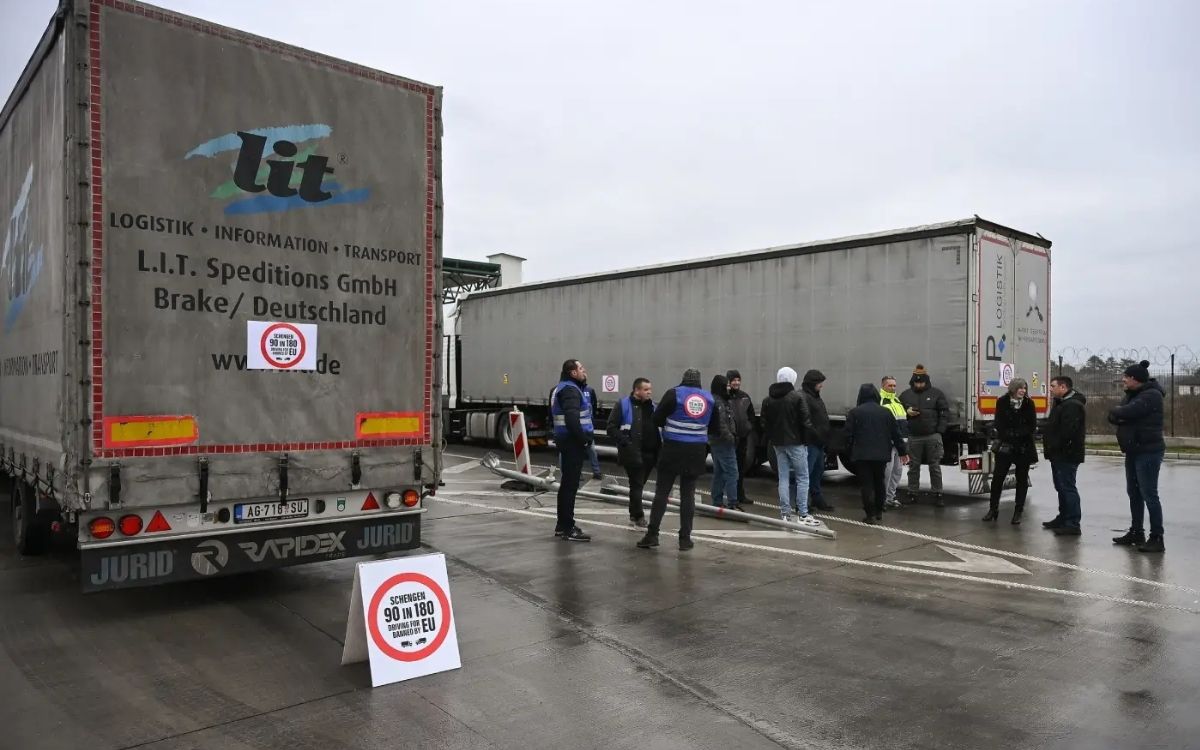
Carriers from Serbia, Bosnia and Herzegovina, Montenegro, and North Macedonia, who last week blocked crossings for freight traffic due to strict EU rules on stays in the Schengen zone, announced that they will try to find a solution today with representatives of the European Commission for the problem of the stay of professional drivers in the Schengen zone.
The blockades, which lasted from January 26, were suspended on Friday by carriers from Serbia and BiH after the EC offered a solution for the problem of restrictions on the stay of professional drivers in the Schengen zone, which was presented within the framework of the EC visa strategy, where the introduction of electronic visas is planned.
Carriers from Montenegro and North Macedonia stopped the border crossings blockades a day earlier.
The president of the business association International Transport, Neđo Mandić, previously told Tanjug that carriers from Serbia made the decision to suspend the blockades a day after the EC began considering the possibility of introducing special visas for professional truck drivers, which would allow them a longer stay in EU countries and the unhindered performance of their work.
Carriers previously warned that the application of the 90 out of 180 days rule to professional drivers as well endangers their work and the survival of transport companies in the countries of the Western Balkans.
The European Commission presented last week a working version of the new visa strategy, within which a special regime will be considered that would allow carriers to stay in Schengen for longer than 90 days, without the need for a work or residence permit, but with strict control and clearly defined rules.
In the proposed EU visa strategy, it is noted that professionals from third countries, such as truck drivers, touring artists, athletes attending sports events, experts working on cross-border projects, and the workforce supporting EU industries and services, have a need to stay in the EU longer than the allowed limit, without the intention of permanent settlement.
MORE TOPICS:
HILARIOUS LESSON FROM PROFESSOR NIKOLA: See how Jović taught his Miami teammates Serbian! (VIDEO)
Source: Tanjug; Photo: MTI via AP