





With a steady hand, Anke Hanuš dips her stylus into dark blue wax and carefully draws intricate patterns onto a yellow-dyed Easter egg. Stroke by delicate stroke, a honeycomb motif begins to bloom across the shell.
This elaborate design is destined to become a godparent’s gift to their godchild, a gesture meant to pass down the values of diligence and strong work ethic.
The tradition of decorating Easter eggs is deeply rooted in the culture of the Lusatian Serbs, a Slavic-speaking minority in Germany, according to the Associated Press.
Modern-day Lusatian Serbs are descendants of Slavic tribes that settled in parts of central and eastern Europe, including what is now Germany, some 1,500 years ago. Today, about 60,000 Lusatian Serbs live in Germany, primarily spread across the federal states of Saxony and Brandenburg.
“Easter is the biggest holiday of the year for Lusatian Serbs,” says Stefanie Birhold, who works at the Lusatian Sorbian Cultural Center in Schleife, a town just 16 kilometers from the Polish border. “The best thing is that this tradition is still alive within families.”
Birhold, Hanuš, and dozens of community members gathered at the center on April 6, two weeks ahead of Easter, to celebrate their heritage through egg decorating, traditional folk costumes, songs, and dances.
The art of decorating Lusatian Easter eggs dates back to the Middle Ages. At the cultural event, Hanuš wore a red traditional costume and a hat indicating she was unmarried—married women wore green. She was one of more than 30 artisans selling their decorated eggs at the event.
Prices ranged from €7 for a small, decorated chicken egg, to €90 for a painted emu egg. Depending on the complexity of the design, technique, and size of the egg, the process can take anywhere from 90 minutes to six hours.
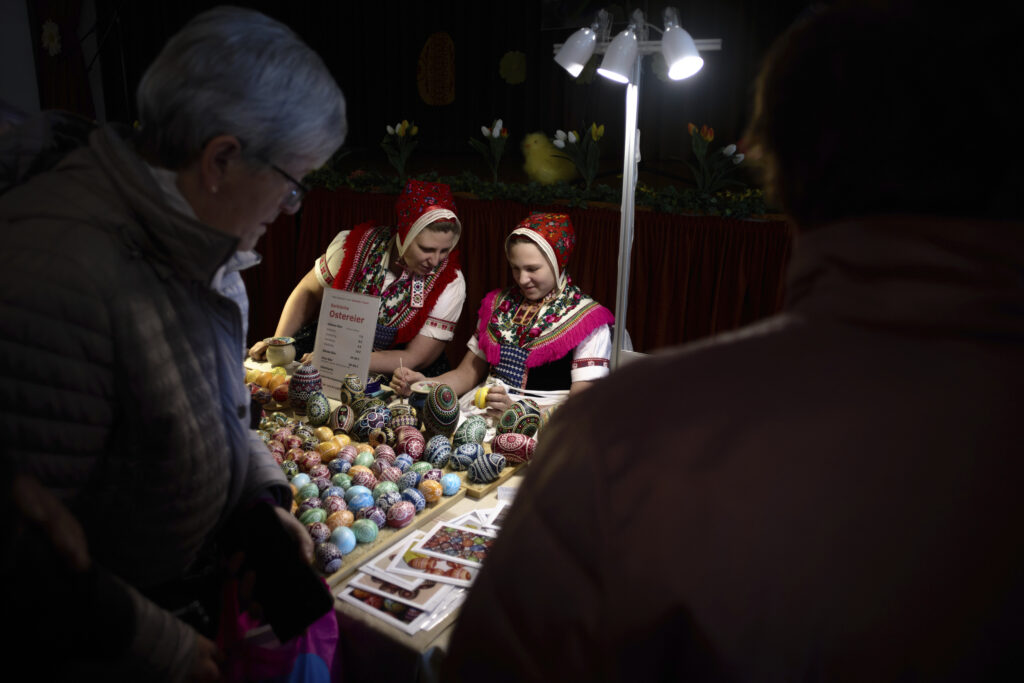
Craftspeople use needles or the tips of goose feathers, specially cut for precision, to draw their intricate motifs. Despite global concerns over avian flu outbreaks, egg shortages, and rising prices, artisans say their craft remains unaffected—though they prefer sourcing eggs directly from local farmers rather than supermarkets.
FIND OUT MORE:
Hanuš, who is Lusatian Serb on her father’s side, is learning the Slavic language spoken by the community. She explained that Lusatian children typically begin decorating Easter eggs at age two, as soon as they’re able to hold a pencil.
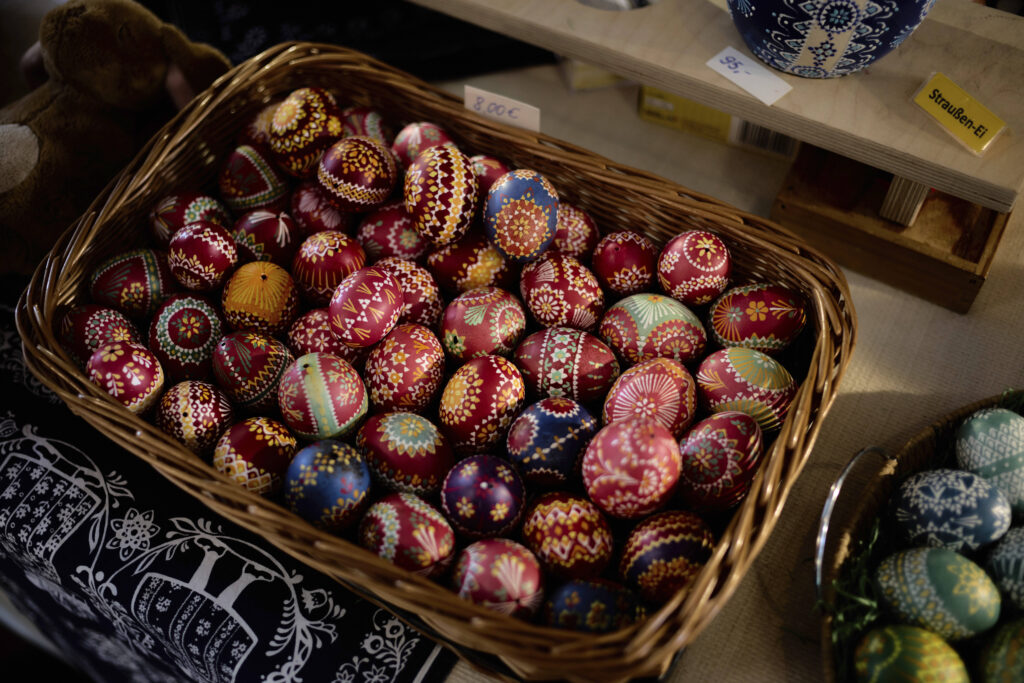
While many pursue the tradition only during the Easter season or in childhood, Hanuš continued honing her skill and now teaches others, including her own niece.
“I think this is a valuable cultural treasure that deserves to be preserved,” she says. “It would be a shame for it to disappear.”
MORE TOPICS:
BLOODY EASTER 1944: How the Allied Bombing Shrouded Belgrade in Mourning! (PHOTO, VIDEO)
Source: n1, Foto: Tanjug/AP Photo/Markus Schreiber