




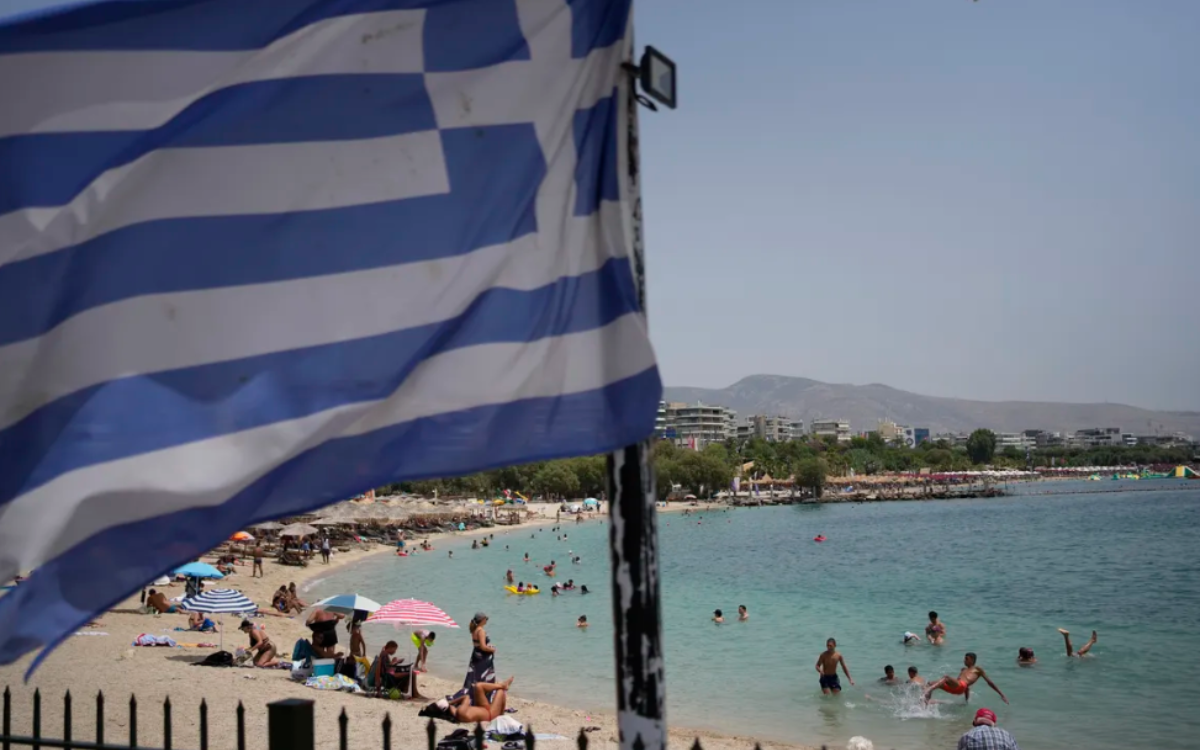
In just over two months, 30 Serbian citizens have died in Greece, with heart problems most often cited as the cause. We have investigated who is at risk and what symptoms to pay attention to. Dr. Biserka Obradović explained to Telegraf.rs what could be the cause of this alarming number, as well as why elderly people and children should be especially careful during their vacation.
According to Dr. Obradović, heart attacks and strokes mostly occur during summer vacations, especially among the older population, who, as she further explains, go to the sea unprepared, unaccustomed to physical activity, in this case, swimming.
“It happens that people in their later years, wanting to swim and spend as much time as possible in the water, do so unprepared, and this leads to sudden physical activity which, as this statistic shows, can be fatal and deadly for them,” the doctor explains at the beginning of the conversation.
Specifically, the Consulate General of Serbia in Thessaloniki has issued a total of 23 burial permits for the transfer of the remains of Serbian citizens since June 1, 2025. In most cases, the cause of death was myocardial ischemia, Kurir writes. It is also added that since June, the Embassy of Serbia in Athens has issued seven burial permits, two of which were deaths by drowning in the sea.
Caution when jumping into the water
Entering the water suddenly can be risky for everyone, regardless of age.
“Our body is heated while staying on the beach. It is often close to 40 degrees there at the sea. We, being so heated, enter the water, which is 10 degrees colder than our body temperature. It happens that our body, wanting to maintain its temperature, suddenly constricts blood vessels, and this then leads to the cessation of the heart or brain muscle,” explains Dr. Obradović about the process itself that leads to fatal consequences, including death.
The doctor also says that excessive sunbathing is dangerous and can lead to hemorrhage, bleeding, or the leaking of blood from blood vessels.
Drink enough water
High temperatures during the summer can affect the body because blood vessels expand. Sweating causes the loss of electrolytes, sodium, potassium, and magnesium, and thus the blood becomes thicker, more viscous, and more prone to forming clots, or thrombi, which increases the risk for both stroke and heart attack, explained Dr. Danijela Drašković, a cardiologist from the Institute for Cardiovascular Diseases “Dedinje,” a guest on the podcast Zdravo sa Ivanom.
-With the expansion of blood vessels, blood pressure drops, so patients feel unwell, they feel headaches, dizziness, weakness… With the loss of electrolytes, there are disturbances in heart function, arrhythmias occur, so patients feel palpitations, tachycardia, accelerated heart rate, and there is fainting, dizziness, and even loss of consciousness. The at-risk groups are people who are being treated for high blood pressure, cardiovascular patients, those who have suffered from some coronary disease, and the older population, said Dr. Drašković while a guest on the podcast Zdravo sa Ivanom.
Do not enter the water immediately after a meal
Dr. Biserka Obradović pointed out that one should never enter the water on a full stomach, and that the riskiest groups are precisely older people and children, for whom the danger of fatal outcomes is increased compared to others if they do not adhere to all the necessary rules and do not listen to their body.
“After a meal, we should not enter the water for at least 40 minutes, but it is also important to say that you should not drink a cold drink immediately after a meal, which can lead to slower digestion, and thus to bloating, so swimming is out of the question,” the doctor stated, adding that cardiovascular patients should also be careful, as well as all those who already have a certain illness, which exposure to the sun and sudden physical activity can especially activate and lead to an even worse health condition.
The doctor also explained the best time to go to the beach and when we must not be in the sun or water during the day.
“The most ideal time to go to the beach is in the morning until 10 a.m., and then after 4 p.m. in the afternoon, while we must never be in the sun and on the beach between 11 a.m. and 3 p.m. In that period, even a parasol does not help, and it is best to retreat to your rooms,” advises Dr. Biserka.
The doctor states that we must wear glasses, a hat, and constantly wet our heads, but also points out that our skin remembers everything, so excessive sunbathing can come back to haunt us even after 10 years, when skin tumors may appear.
MORE TOPICS:
DODIK’S DIPLOMATIC PASSPORT WILL BE CONFISCATED: He has 15 days to return it!
Source: Telegraf; Photo: AP Photo/Thanassis Stavrakis