




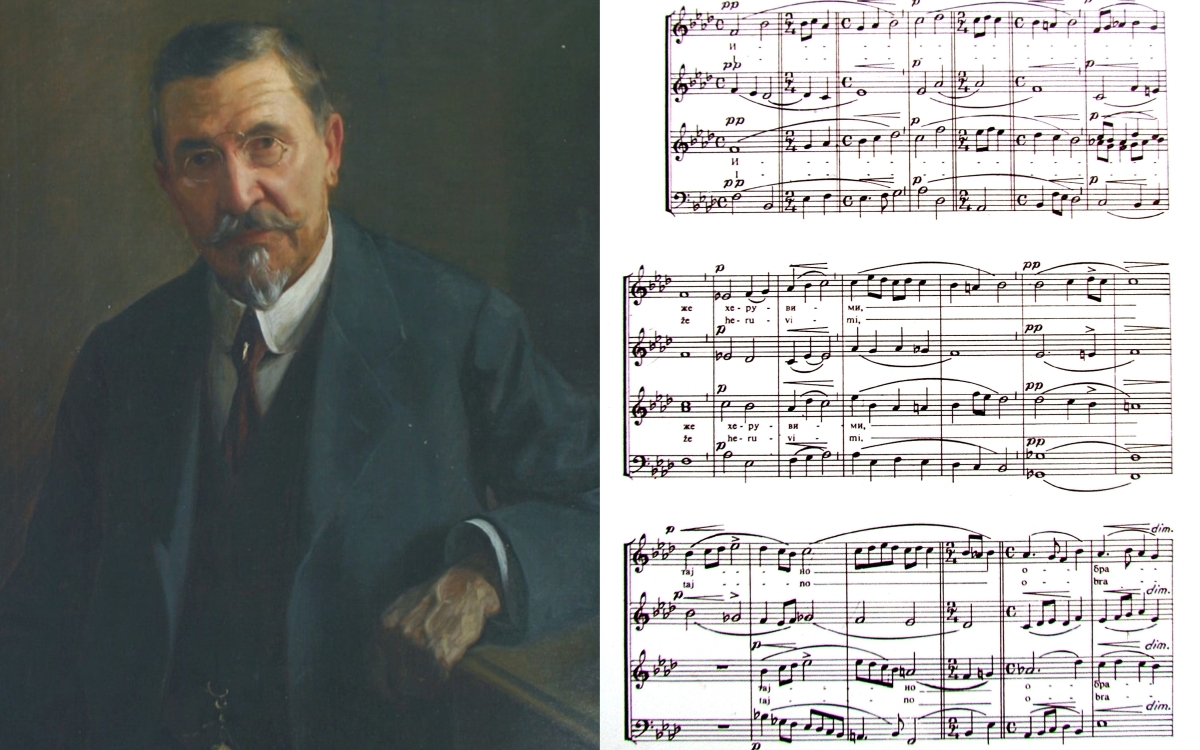
Patronage and endowment are almost as old as human society, and they experienced their peak in Serbia during the last decades of the 19th century, when, thanks to the support of the state and individuals, an increasing number of talented, but not so well-off, young men (and later young women) went to Europe for schooling. They would become the backbone of the flourishing of Belgrade and Serbia in times when the world was rushing with great strides into a new century.
Among them was a modest high school student, originally from Negotin, who would eventually rise to become one of the most significant figures in Serbian music—Stevan Stojanović Mokranjac.
Successor to Kornelije Stanković
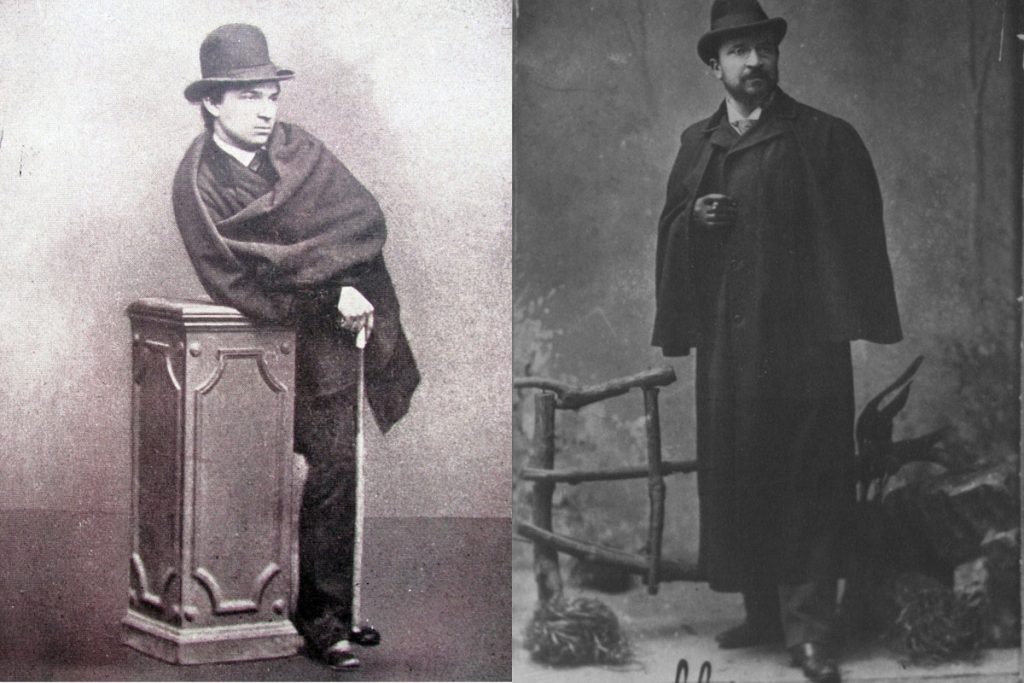
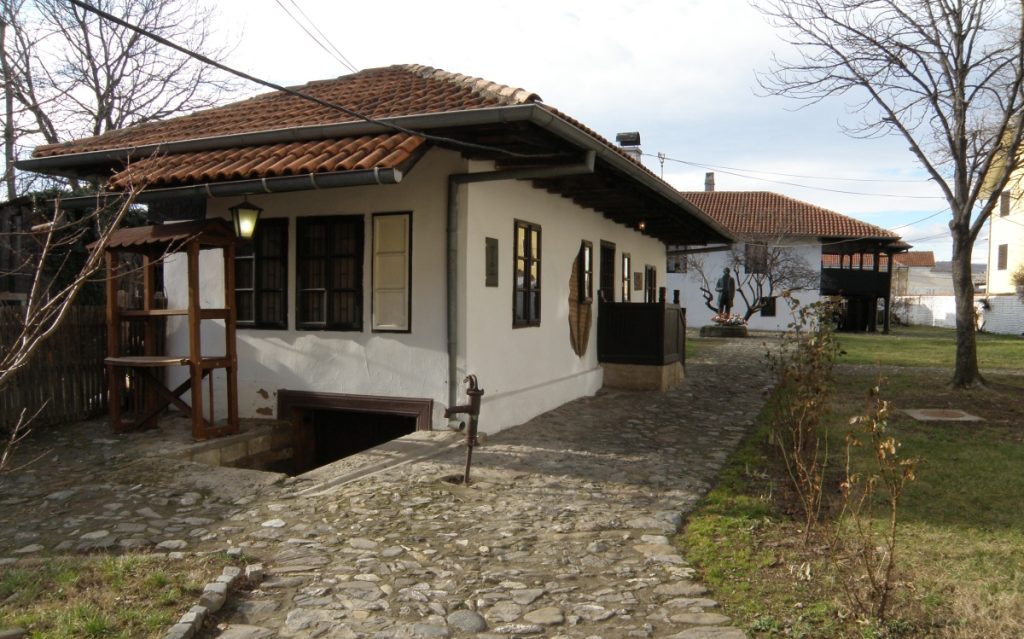
Stevan Stojanović Mokranjac was born in Negotin in 1856, but his life path would bring him to Belgrade fifteen years later, where he became a high school student. From an early age, he grew up on folk songs and church chanting, and he incorporated the familiar sounds into the strict notes of the violin practice he attended in the second grade of high school. This did not please his teacher, who refused to teach him further.
This did not discourage the young Stevan at all; he began to write down his first songs, and due to his exceptional voice, he soon became a member of the Belgrade Singing Society. His joining the choir was a true precedent because he was not old enough. Besides that, Mokranjac was well-known and popular among society, and many Belgrade bohemians welcomed the dawn with his song.
His undeniable talent and close friendship with the choir members, it would turn out, would be crucial for his future life. Namely, after the sudden and premature death of Kornelije Stanković, Serbian music was left without its greatest and most important composer. In the desire to fill this void, the Belgrade Singing Society, in 1877, sent an invitation to singing societies in Serbia and the diaspora to submit their proposals for which “young Serb” could be sent for music studies.
The search lasted two years, partly due to unfavorable responses from other singing societies and partly due to the wars in which Serbia participated. However, the solution was in front of the Society’s management all along. Namely, after long consideration and delay, it was decided in 1879 that the young choirmaster Stevan Stojanović Mokranjac would be sent to study in Munich. It was a decision that would become the cornerstone of Serbian academic musical culture.
Help from All Sides
From the very beginning, the intention of the Belgrade Singing Society was for this to be a true state “musical project.” Right at the start, the Society’s president, the painter Steva Todorović, sent a letter to the Belgrade Metropolitan Mihailo to allocate funds from church foundations for the young man’s education. This initiative was supported by the esteemed Milan Kujundžić and the famous professor of the Great School, Giga Gerišić.
The decisive contribution, however, came from the lawyer Branko M. Jovanović, who issued a power of attorney to Todorović “that he may raffle off my mirror and five paintings, together with carved and partly gilded frames, by way of a lottery, and further, to issue half of the net income on the day of the raffle, to me or my proxy, whom I shall authorize for that purpose, in ready money without any negotiation; the other half of the net income, the aforementioned gentleman proxy shall issue to the protégé, Mr. Stevan Mokranjac, who is currently in Belgrade, for the purpose that he may cover the costs of completing his musical studies with that money.”
However, the wholehearted help of the benefactors and the Society’s income were only sufficient to cover the costs of the first year of studies. In the desire to enable their protégé to continue his education, they turned once more to the Ministry of Education and Church Affairs (the first request had been rejected), with a touching plea for the state to stand by Mokranjac, “because it would truly be a pity for the man to fail.”
This time, the request was successful. The act states: “State aid will be given to Stevan Mokranjac, a protégé of the singing society, as long as he is abroad scientifically studying that skill, specifically for this (1880) year, 1,200 dinars, starting from the 21st of this month.”
“The Kalemegdan Nightingale” Becomes “Mokranjac”
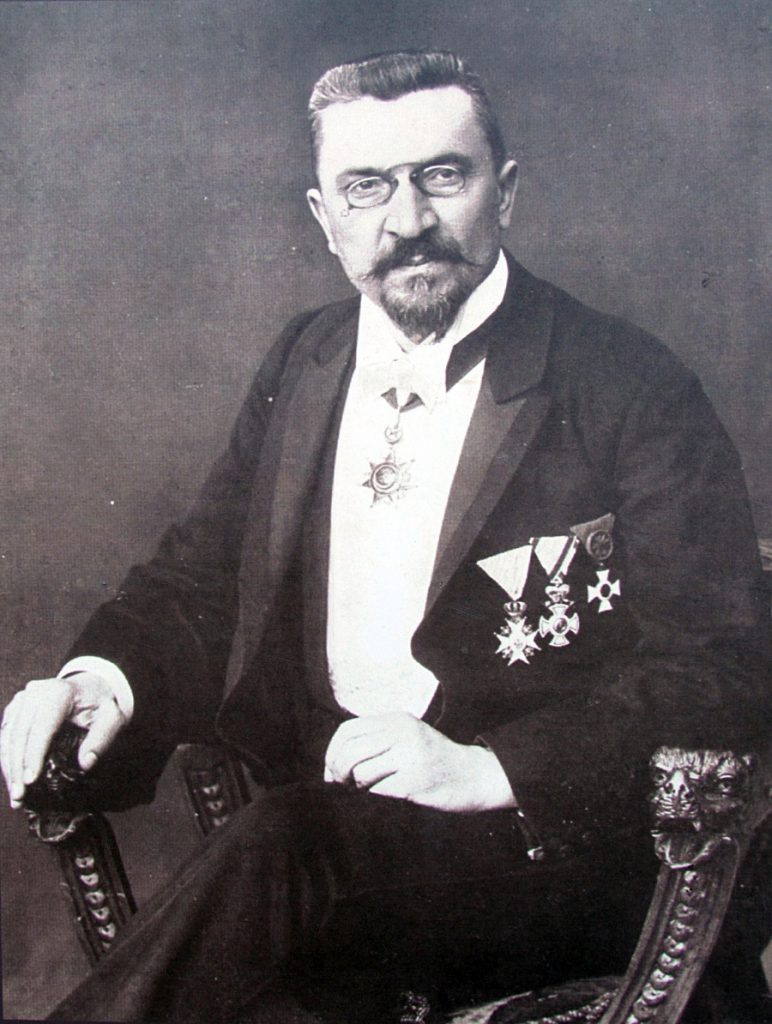
Despite his great talent, Mokranjac spent only two years studying music in Munich. Due to a combination of difficult living conditions caused by lack of money, the uncertain situation regarding the extension of the scholarship, and disagreements with professors, Mokranjac returned to Belgrade. However, this was not the end of his musical education. Again, thanks to his friends from the Belgrade Singing Society, he received a scholarship to study in Rome and again in Germany.
Upon his return, he became a music professor in Belgrade high schools, the choirmaster of the “Kornelije Stanković” Society, the founder of the first string orchestra in Serbia, and the founder of the first permanent music school in Belgrade and Serbia, which today bears his name.
MORE TOPICS:
US-ISRAEL CONFLICT LOOMS: Trump Unveils Gaza Peace Plan, Netanyahu Vows to Continue War
FINNISH BASKETBALL WONDER ARRIVES IN BELGRADE: Mika Muurinen Takes Partizan Jersey (PHOTO)
Source: 011Info, Foto: Wikimedia Creative Commons