




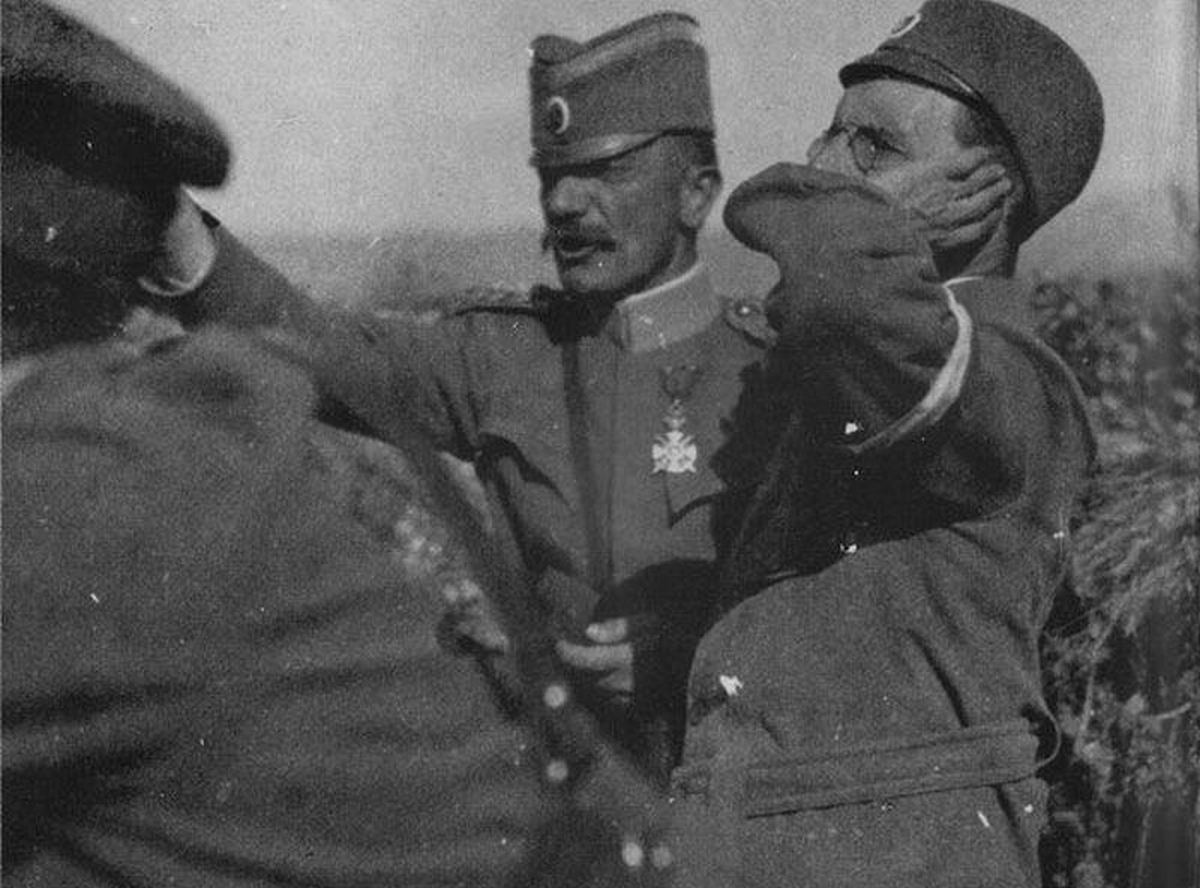
The Battle of Kolubara, the largest battle fought by the Serbian army in World War I, began in 1914 on a front stretching approximately 200 kilometers from Belgrade to Guča. After a month of intense fighting, the Serbian army decisively defeated the Fifth and Sixth Austro-Hungarian Armies under the command of General Oskar Potiorek.
The Serbian Supreme Command hoped that swollen rivers and marshy terrain would help halt the enemy advance and issued a directive to hold the Čovka peak at all costs, as they planned to launch a counterattack from those positions. Serbian troops managed to hold off the Austro-Hungarians for several days due to Oskar Potiorek’s miscalculation that only Serbian guards were stationed there. As a result, he committed the 15th and 16th Corps of the Sixth Army to battle on November 20th.
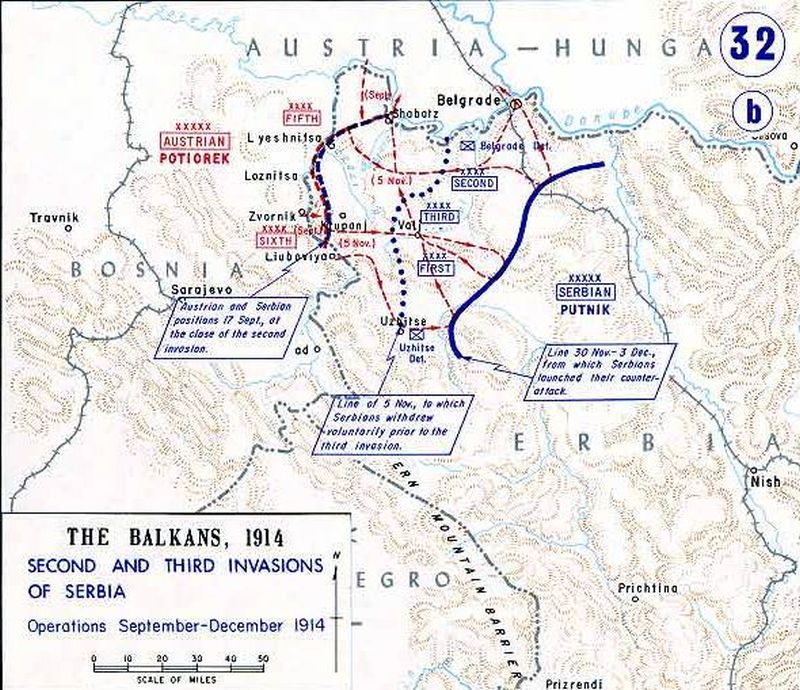
The introduction of new forces forced the outnumbered First Army to retreat. By the night of November 21st-22nd, it had taken up new positions on the Suvobor ridge, but by the afternoon of the 22nd, the Austro-Hungarians had broken through the front lines.
Živojin Mišić began planning a counterattack from the Suvobor positions, but due to the dire situation of the Maljen detachment, he abandoned this idea, which proved to be a wise decision. By November 24th, the Austro-Hungarian army had, in a bitter battle, shattered the Maljen detachment. This defeat forced the left wing of the First Army to retreat to the Igrište-Babina Glava-Podovi line. The Austro-Hungarian advance continued with the capture of Čovka peak, forcing the Moravian Division I to retreat to Kremnica, which in turn forced the right wing of the Third Army to retreat.
On November 26th, Živojin Mišić assessed the situation of the First Army as very poor and decided to remain in its current positions for a few more days to avoid jeopardizing the entire Serbian front, but without risking defeat and to withdraw the bulk of its forces in time to positions west of Gornji Milanovac.
Consequences of the Battle
The greatest significance of the Battle of Kolubara lies in the fact that Austria-Hungary failed to destroy the Kingdom of Serbia with its forces, forcing the Central Powers to fight on three fronts in 1915. More importantly, Germany was forced to send reinforcements to the Balkan front, weakening its forces on the other two fronts and thus diminishing its chances of successfully eliminating one of them.
The battle also had global significance. The decisive Serbian victory delayed Bulgaria’s entry into the war, as it had been preparing to join the Central Powers, expecting Serbia to be defeated and to seize the territories it had fought against in the Second Balkan War a year earlier. The Serbian victory contributed to the decision of the Kingdom of Italy to enter the war on the side of the Entente.
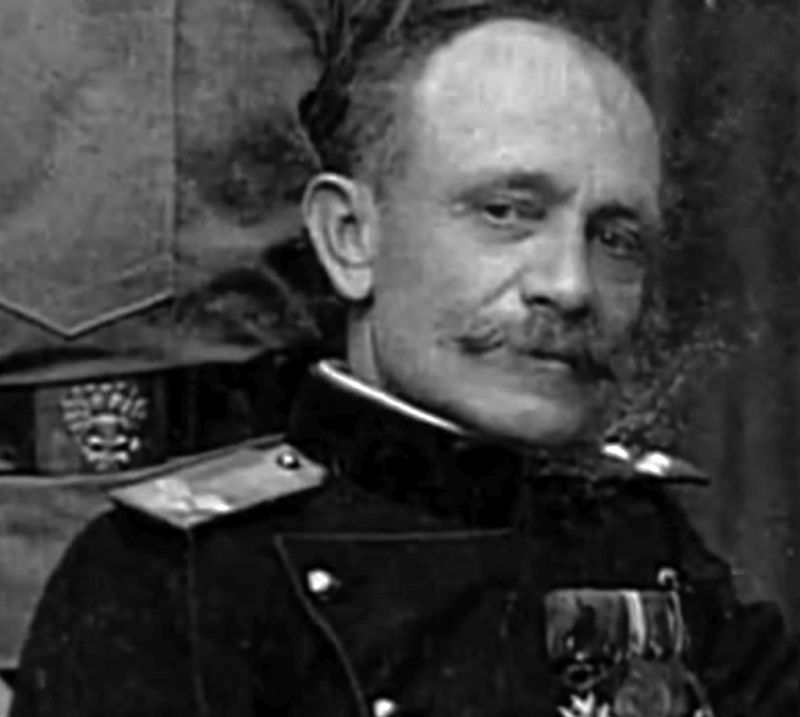
General Živojin Mišić was promoted to the rank of Vojvoda (Duke) for his successful conduct of the operation, while his counterpart, Oskar Potiorek, was dismissed as commander-in-chief of the Balkan Army at the end of 1914, and replaced by German Field Marshal August von Mackensen.
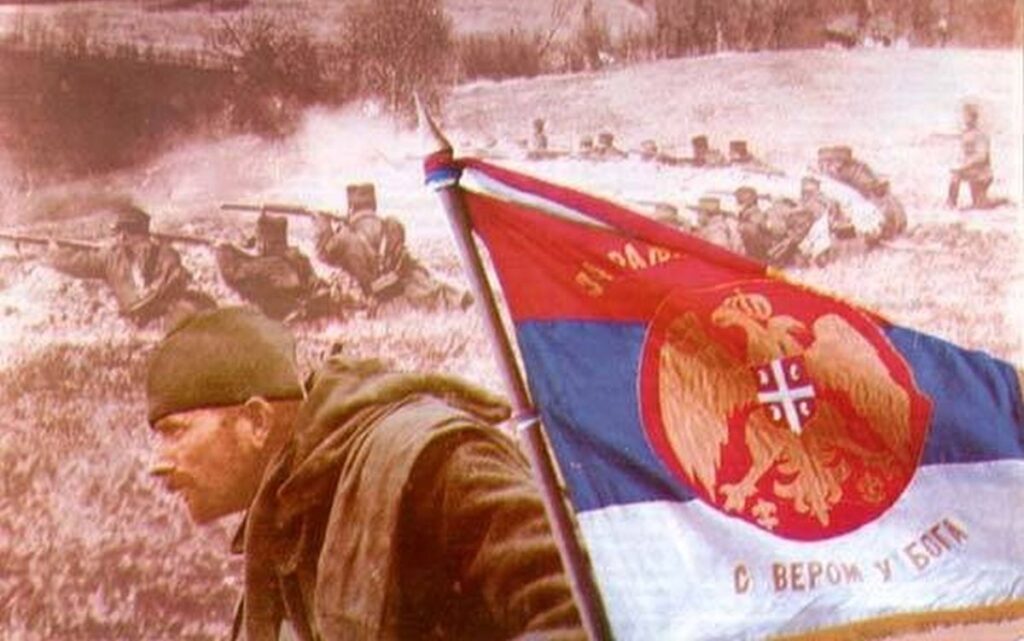
The Significance of the Battle of Kolubara in the History of Warfare
The Battle of Kolubara entered the annals of warfare as a unique example of an army, predicted to be utterly defeated, reorganizing itself in a short time, launching a counteroffensive, and inflicting a decisive defeat on the enemy. Živojin Mišić’s tactic of regrouping the First Army and focusing a concentrated attack on the Sixth Army, which was stretched across a wide front, is still studied in military academies worldwide.
The Battle of Kolubara is also significant for the fact that both armies involved did not have strategic reserves to reinforce their lines where needed, but rather achieved this by transferring forces from one part of the front to another.
READ MORE:
GRUESOME CRIME: Brutal murder in Novi Sad, son hacks mother to death with a chainsaw!
Source: Nacionalna Geografija Photo: Wikipedia Commons