




The annual report of the Estonian intelligence service discusses the various ways in which Russia spreads its influence and conducts secret activities in Europe, and one part is dedicated to how Russian services and their associates in Serbia trained people for direct attacks.
In the report titled International Security and Estonia, a case is discussed that shook Southeast Europe, in which Serbian citizens were also involved.
Last September, the Kremlin strongly intervened in the parliamentary elections in Moldova with the aim of toppling the country’s pro-Western government. Information from open sources indicates that Moscow spent about 150 million dollars on this massive influence campaign, using practically all the tools from its arsenal and – it lost, the report states.
Orchestrated from the presidential administration
The influence campaign against Moldova originated directly from the Kremlin. It was designed by the Administration of the President of Russia and was directly implemented from there.
The campaign relied on a wide range of means – from familiar, “soft” tactics to measures with a pronounced military character.
At one end of that spectrum were propaganda, disinformation, and smear campaigns, which have long represented the basic instruments of Russian action. For decades, television channels, newspapers, portals, and social networks controlled by Moscow have systematically and methodically targeted their audience. However, the campaign against Moldova also brought several innovations. For example, priests of the Moldovan Orthodox Church, after training in Russia, shifted their propaganda activity to social networks, where they spread Russian disinformation in a modern, digital format.
Training of citizens of Moldova and Romania near Loznica
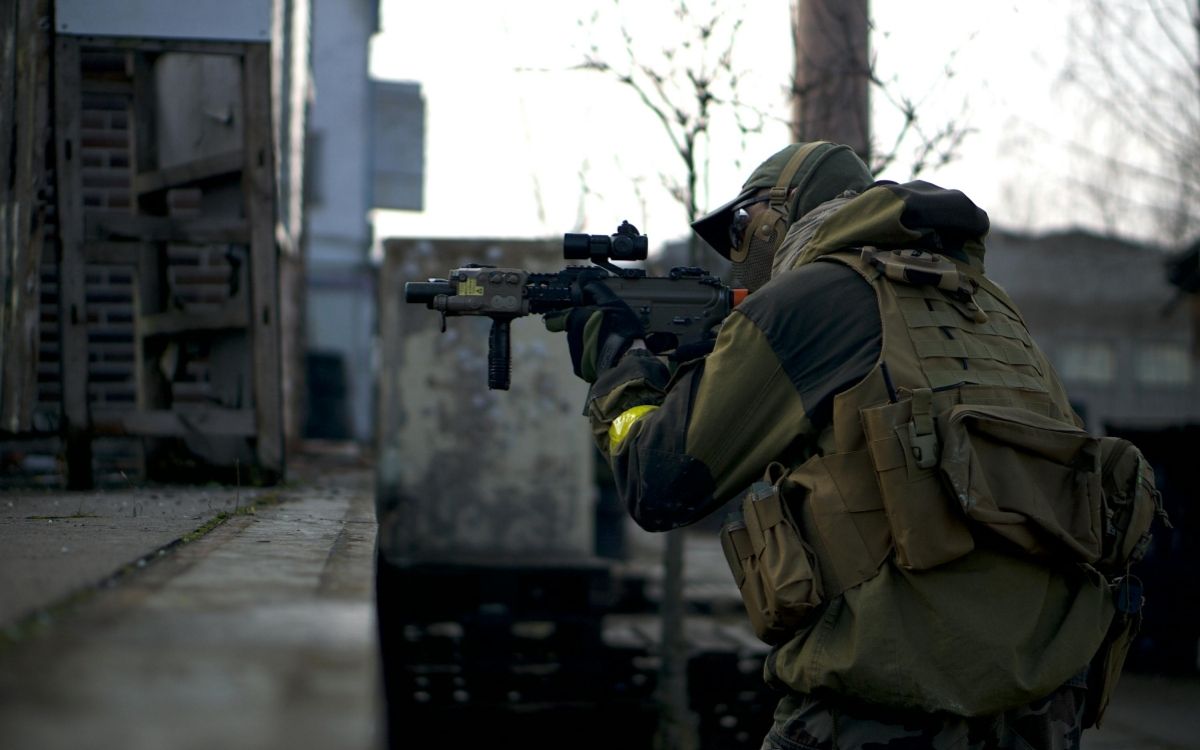
At the other end of the spectrum were strike groups composed of men with tactical and military training. Their tasks during and after the elections included provoking violent provocations, clashes with Moldovan law enforcement, and, likely, direct attacks on selected key locations. Russian security services recruited about 150 men who underwent specialized training in Serbia, in a tourist complex rented near the border with Bosnia and Herzegovina.
As Nova.rs previously wrote, these individuals were trained to break through police cordons and use weapons during possible riots. The chief Moldovan prosecutor from the Office for Combating Organized Crime and Special Cases, Victor Furtuna, stated in September that the investigation began as early as June, and so far 111 people connected to the plan have been identified. Among them, 74 were detained for 72 hours, as it is suspected that they underwent training in Serbia, organized by citizens of the Russian Federation.
Belgrade resident Lazar Popović (37) and Savo Stevanović (47) from Loznica were arrested in September and taken for questioning to the Higher Public Prosecutor’s Office in Šabac on suspicion of participating in the organization and financing of an improvised camp for the tactical training of citizens of Moldova and Romania, BIRN wrote.
The training was conducted by instructors who are citizens of the Russian Federation and Belarus in the Sunčana Reka complex located on the stretch between Loznica and Banja Koviljača, according to the BIRN text.
The report by Estonian intelligence officers states that the entire campaign against Moldova largely depended on illegal Russian financing. The reason was simple: most of these activities required payment, in one way or another. Money was diverted using methods typical of money laundering and other financial malpractices, including secret payment schemes and cryptocurrencies.
MORE TOPICS:
THE GREATEST SERBIAN DIPLOMAT: Here’s Why Jovan Ristić Is Known as the Thomas Jefferson of Serbia!
Source: Nova.rs; Photo: Pexels