




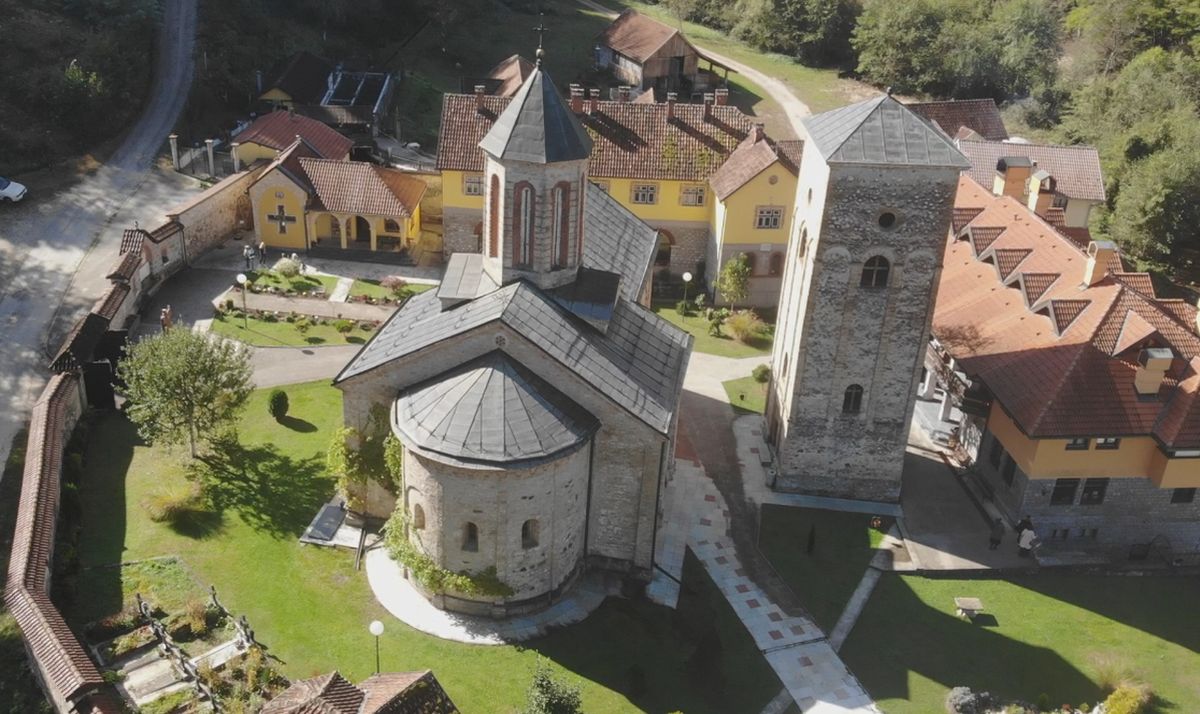
At the foot of the Tara Mountain and on the right bank of the Rača River, lies the endowment of the Nemanjić dynasty, the Rača Monastery, which was built in the 13th century. It is a spiritual beacon of Serbian tradition where the famous Rača scribal school worked, one of the greatest guardians of Serbian culture in the time when the Turks in Serbia took tribute, burned monasteries, and destroyed everything Orthodox.
The scribes initially worked in monastery cells, unlike their counterparts in Constantinople, they had only paper and parchment and did everything themselves, and their work was widely known and sought after, so the monastery was financed from the sale of books. Not far from the Rača building itself, a forty-minute walk along the river of the same name is the hermitage of Saint George, where the monks also worked.
“Every transcribed book maintained the church service, and it kept the Serbian people together. The people of Rača were the first to transcribe in the vernacular, and Gavril Stefanović Venclović was the first to distinguish the letters č, đ, and ć almost a hundred years before Vuk Karadžić,” Priest Slobodan Jakovljević, who received his doctorate from the Faculty of Theology in Belgrade on the topic of the Rača scribal school, reveals to RINA.

The Turkish travel writer Evliya Çelebi recorded that about 300 monks hidden in a dense forest were engaged in transcription. They lived there with the Serbian people for about 40 years, working and creating. During the day, they engaged in animal husbandry and agriculture, and at night, by the light of torches, they transcribed books.
Their work continued after the First Great Migration of Serbs in 1690, and intensified even more. The Rača monks left the monastery and founded a scribal school in Szentendre, where some of the best scribes matured.
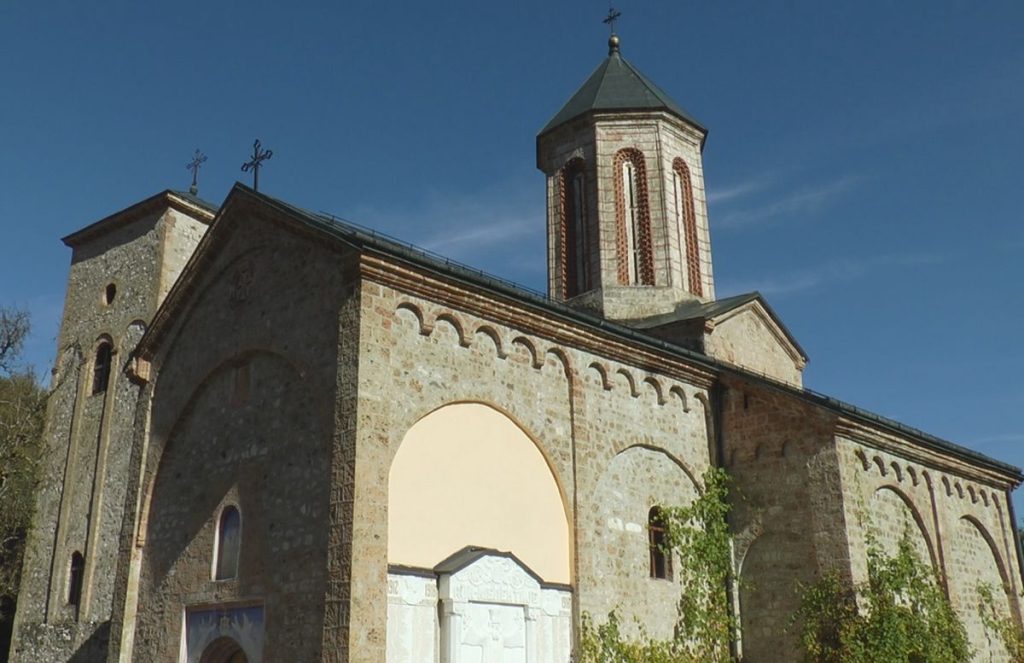
“Although individuals were never even in the Rača Monastery or the hermitage of Saint George, they called themselves Račani, because being part of this scribal school at that time was a great honor. It represented a determinant of the spiritual and cultural elitism of that era. The most famous after Kirijik were Kiprijan, Hristofor, Jerotej, Gavril Steafanović Venclović,” says Father Slobodan Jakovljević.
Today, the works of the Rača scribal school are found everywhere except in the Rača Monastery, and only individual copies are kept in the monastery treasury.
A miraculous spring of healing water is located near the hermitage of Saint George.
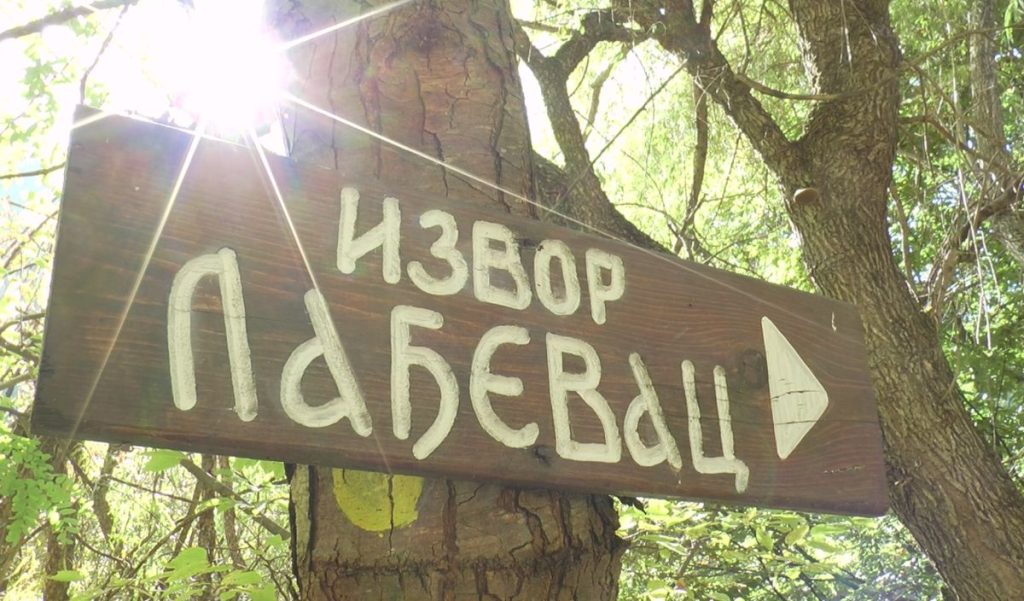
In the immediate vicinity of the hermitage of Saint George, nestled in incredible natural beauty, is the Lađevac spring. This alkaline-thermal spring of karst origin is also known among the locals as “the warm spring,” because the water temperature constantly ranges from 15 to 18 degrees Celsius. The warm water from the Lađevac spring has been proven to cure scabies and other skin diseases.
“In ancient times, when there were no pharmacies, the people of Rača sold this water to merchants, and it reached as far as Asia by caravan,” Blagomir Ristić, a resident of Rača, tells RINA.
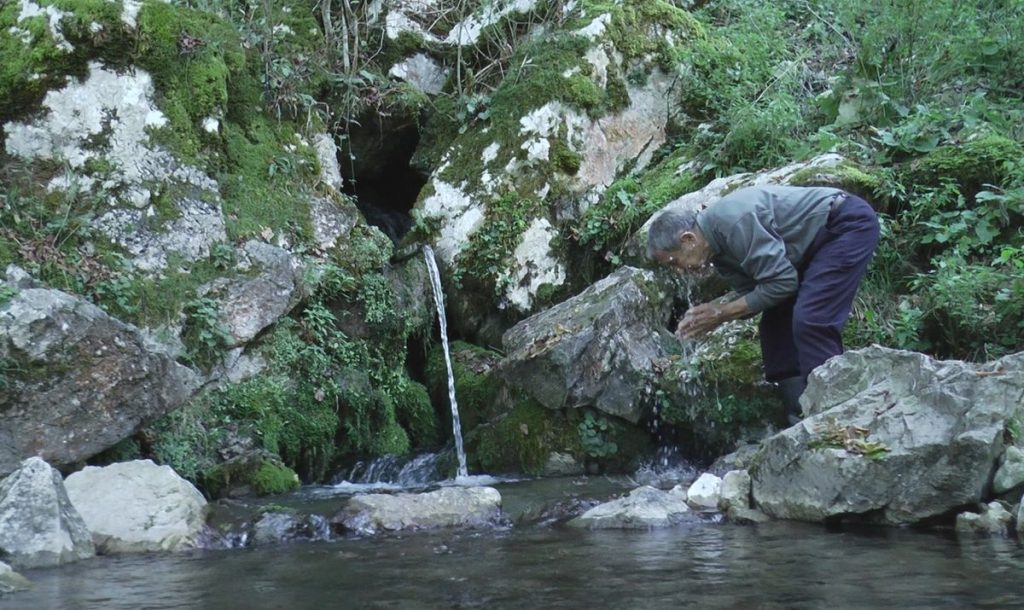
However, the healing water of Rača, according to the locals, has also cured numerous infertile women who came here to solve their problem.
“The water that flows from the stone is also called the love spring. Women who cannot conceive come here to wash their faces three times and drink three times, and then, of course, they need a man,” Blagomir explains the effectiveness of the spring and adds that the healing properties do not end there.
“Mothers brought children who had eye problems here to wash their faces,” says this local resident.
The canyon of the Rača River is still insufficiently explored, and the Lađevac spring is certainly one of the pearls you will encounter, and even if you do not have health problems that its water cures, it is certainly a beautiful experience to pass through this natural oasis.
MORE TOPICS:
Source: RINA; Photo: RINA