



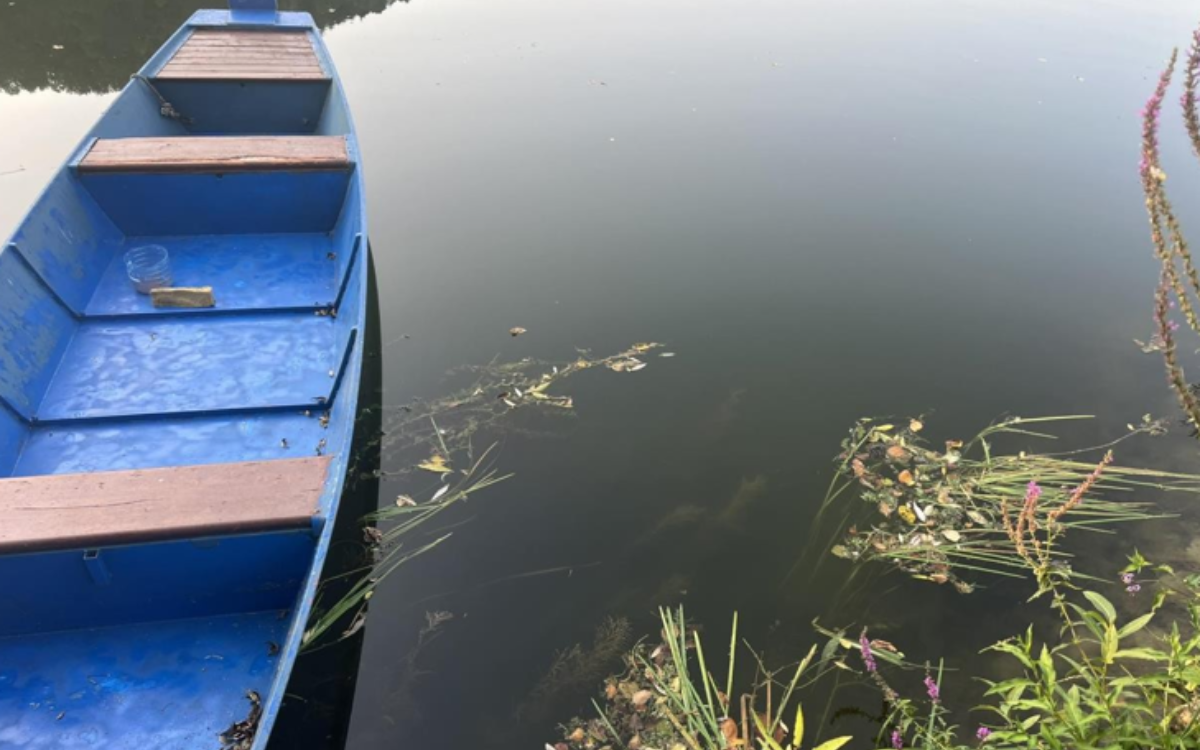
Croatia has set a precedent by deciding to dispose of nuclear waste at the complex of the former Čerkezovac military barracks, whose entrance is located just 850 meters from the Una River and the very border with Bosnia and Herzegovina. According to existing international conventions, nuclear facilities cannot be built in border areas without the consent of the neighboring state, which places this decision by Zagreb among the most controversial moves in contemporary European practice, treating Balkan countries as a colony for its nuclear and medical waste.
What for decades seemed like a distant threat became a harsh reality at the beginning of 2026. Less than a kilometer from the emerald-green Una, Croatia is finalizing preparations for the storage of hazardous waste from the Krško nuclear power plant, as well as radioactive material from its hospitals and factories. While ordinary people fear for the water they drink and the land they cultivate, excavators on Trgovska Gora have already done much of their work, while years in BiH have been spent on futile bureaucratic debates.

Institutions of Republika Srpska, under constant pressure from associations such as “Green Team” from Novi Grad, have for years been the only real barrier against the nuclear landfill. The authorities in Srpska adopted a Resolution opposing the disposal site through the National Assembly back in 2016, while political Sarajevo showed passivity. Although the Ministry of Foreign Trade and Economic Relations, under the leadership of Staša Košarac, regularly initiated concrete steps, these proposals often ran into a wall in Sarajevo. Particularly devastating is the data from audit reports showing that out of 500,000 KM allocated for the work of the Legal Team in 2024, only 57,000 KM was spent. While funds intended to defend our interests remained trapped in treasuries, Croatia advanced unhindered toward its goal.

Institutions at the level of BiH missed the opportunity in 2019, during negotiations on the construction of the Pelješac Bridge, to use this issue as a key diplomatic lever.
Instead of conditioning the construction of the bridge on Zagreb’s abandonment of Trgovska Gora, a decision was voted through in the Presidency of BiH declaring the Pelješac Bridge a vital national interest. With this development of political events, Croatia removed the last obstacle to the realization of its own strategic project, while Bosnia and Herzegovina did not obtain official legal guarantees for the protection of the Una River basin. The process intensified in 2021 with the formation of an Expert and Legal Team, but Croatia continued to ignore requests for joint research of the terrain at the Čerkezovac site.
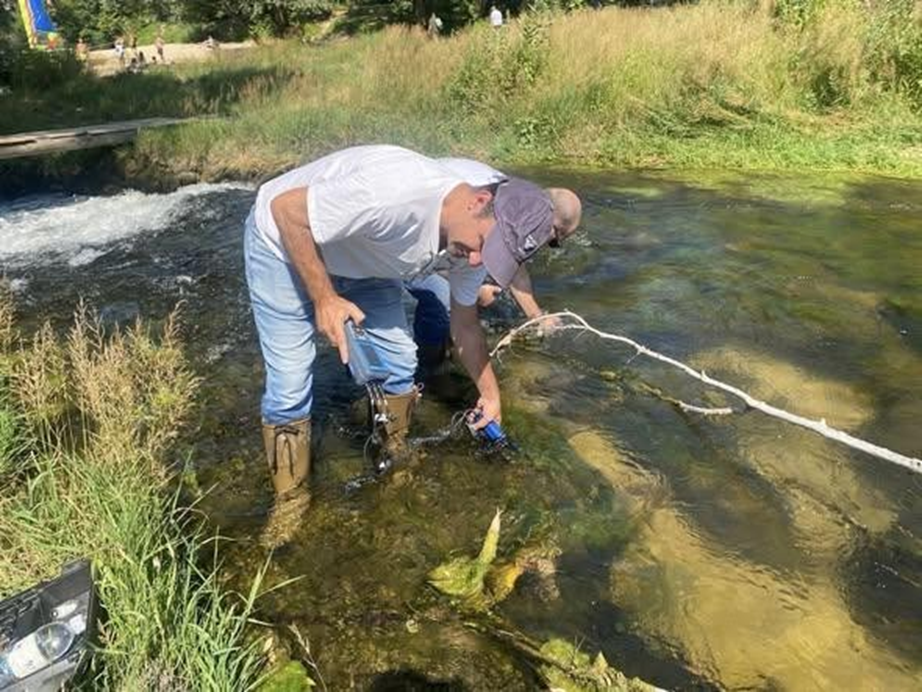
The institutional epilogue followed on December 15, 2025, when the Croatian Parliament adopted a lex specialis under an urgent procedure, thereby legally defining and accelerating the construction of the disposal site, despite opposition from local communities on both sides of the border and clear warnings from Republika Srpska. Croatia chose Trgovska Gora because it is the most financially advantageous option. Slovenia offered the option for the waste to remain in Krško, but that would have cost Zagreb much more. They chose to shift the risk to the very border, to terrain that, according to findings by experts from Republika Srpska, is geologically unsuitable, seismically active, and porous. Any potential contamination would mean a permanent end to agriculture, tourism, and the health of 250,000 people in 13 municipalities.
Only in January 2026 did messages arrive from Brussels stating that Croatia must conduct a cross-border impact assessment. The European Commission reminded of obligations under the ESPOO and Aarhus Conventions, but for the people in Novi Grad, Kostajnica, or Dubica, these messages arrive at a moment when eight storage facilities in Čerkezovac have already been demolished. Is it, after three decades of neglect, too late to save one of the most beautiful rivers in the world? Will Bosnia and Herzegovina silently accept the role of a European dumping ground where nuclear waste is placed right on the border, endangering the survival of the entire region?
Responsibility for resistance once again falls on the shoulders of Republika Srpska, which refuses to accept the role of a colony for Europe’s nuclear waste. The Una River has survived for centuries, but its future now depends on whether the voice of the people and the struggle from Banja Luka will be louder than the silence of those who should have protected it long ago.
MORE TOPICS:
Source: Nezavisne novine / Ognjan V. ; Foto: Green Team