




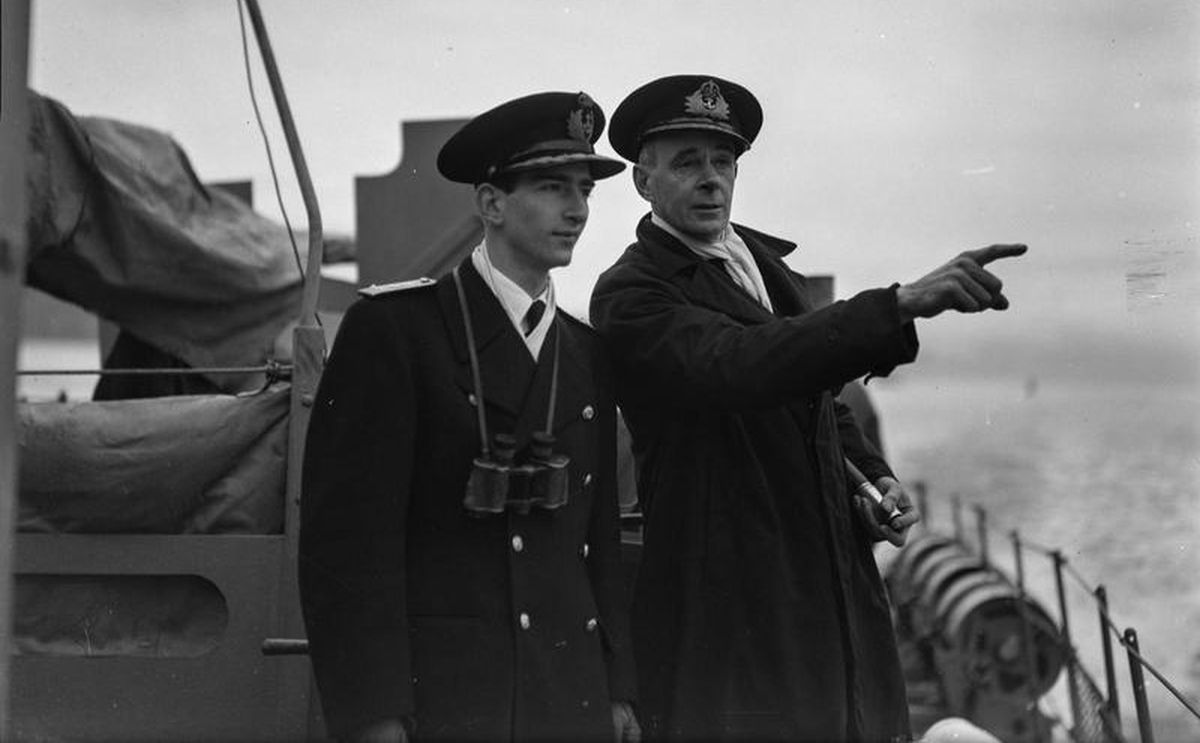
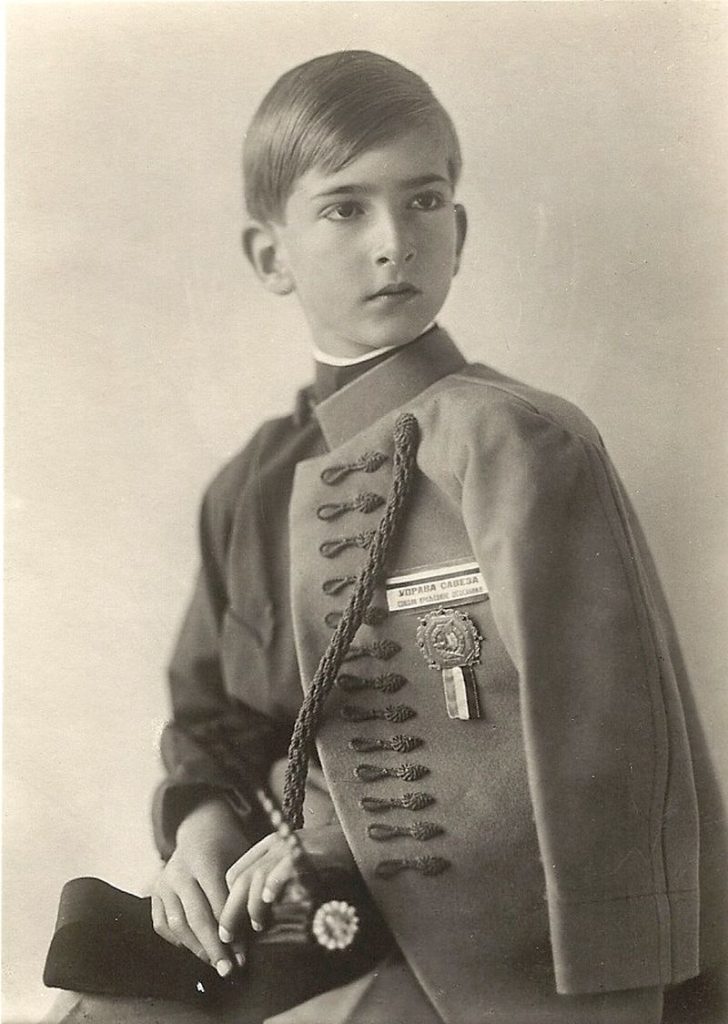
It seems there is no more tragic figure in our recent history than King Peter II Karađorđević, who was 11 years old when he became king and 21 when he lost power. His remains now rest on Oplenac, after many years.
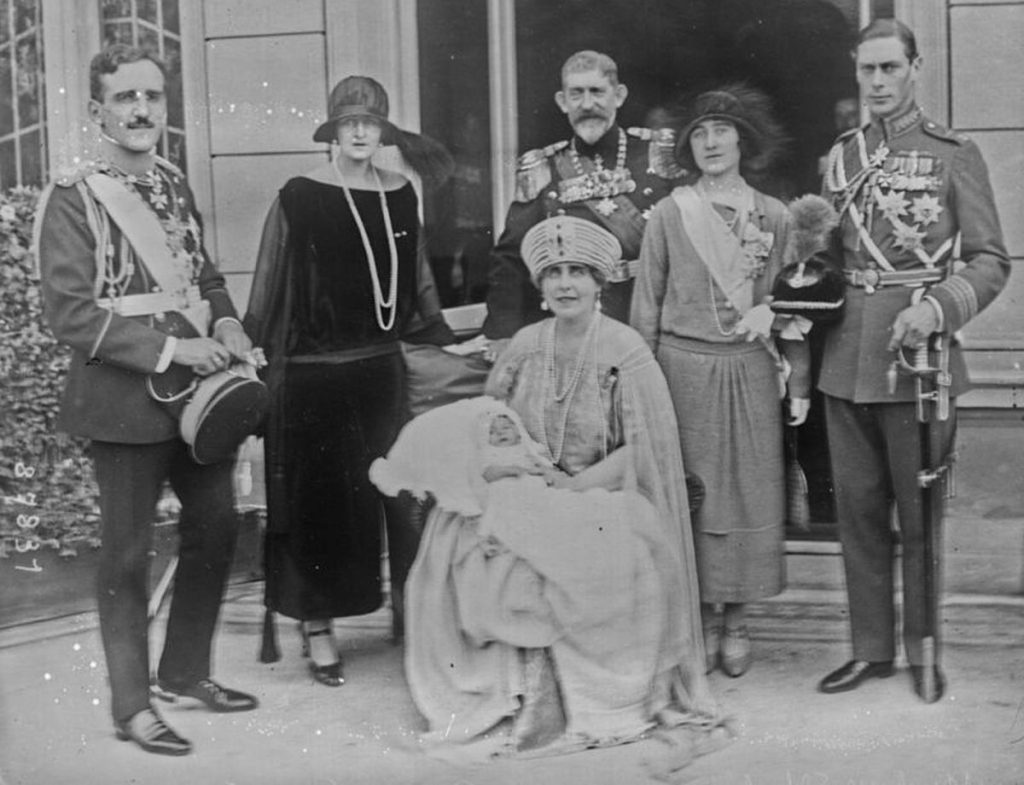
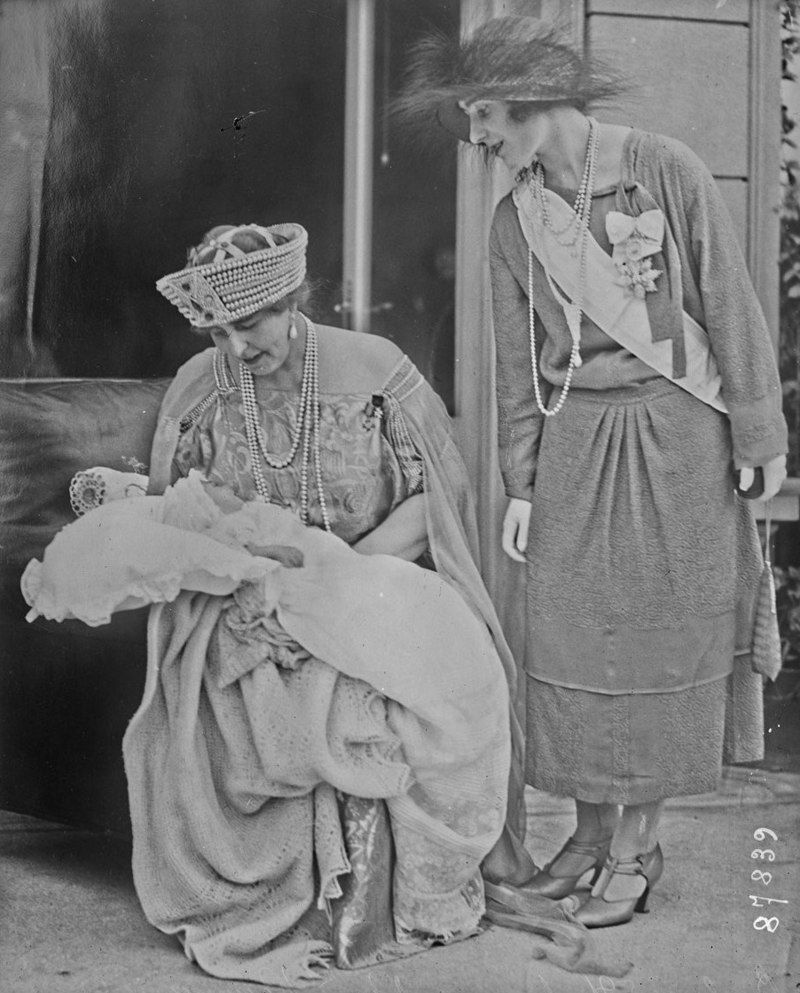
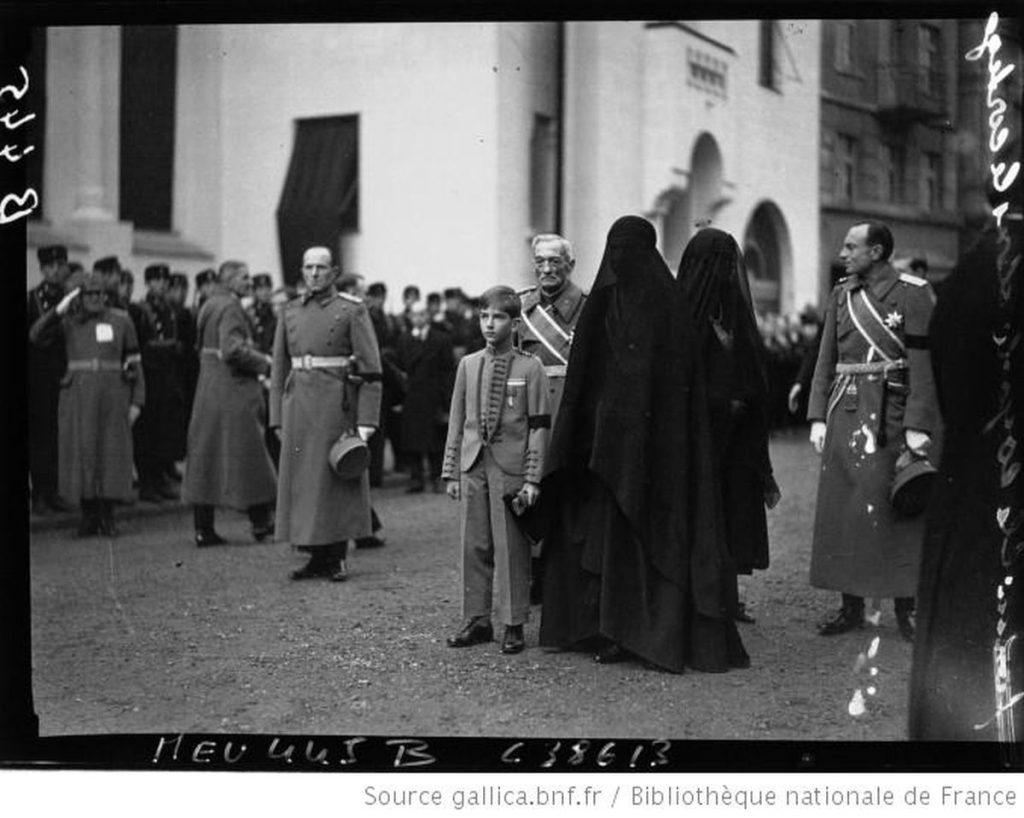
King Peter II Karađorđević was the eldest son of King Alexander I Karađorđević and Queen Maria, born on September 6, 1923. His godparents were King George VI of the United Kingdom and his wife Elizabeth. The title of king fell to him by hereditary line after his father was assassinated in Marseille in 1934. He received his primary education at the White Palace and also attended school in Great Britain. He returned from Britain after his father’s assassination and took the title of “King of Yugoslavia.
The Minor King
Being a minor, royal power was transferred to the Regency appointed by King Alexander I in his will. The Regency was headed by Prince Pavle Karađorđević, with Ivo Perović and Radenko Stanković as members. King Peter II officially came to power after the protests of March 27, 1941.
The accession to the Tripartite Pact led to widespread protests in the country, culminating on March 27, 1941. King Peter II was declared an adult by decree, though formally he was not, and immediately took power from the Regency. He ruled for only 19 days. Then the Kingdom of Yugoslavia was bombed on April 6, 1941. On April 14, at the suggestion of Prime Minister General Dušan Simović, King Peter II was taken into exile. He was first in Greece, then in Jerusalem and Egypt. In June 1941, he arrived in England.
In a proclamation on April 16, 1941, the King stated: “Forced by a superior enemy to abandon the national territory, I do not intend to cease fighting. The honor of the flag has been saved, but national freedom is in danger. I call upon My dear people not to lose heart under the blows of fate and to preserve faith in the future… Convinced that God will defend our just cause, I cry: Long live Yugoslavia and its freedom!” This only meant that the King and the government did not even consider capitulation, nor was there any talk of it.

Did the Kingdom of Yugoslavia Capitulate and Who Was the Resistance?
Even today, the phrase “After the capitulation of Yugoslavia on April 17, 1941…” is often heard. This phrase still stands in history textbooks and represents an undisputed fact. From it arose the theory of “two resistance movements.” For, since the country collapsed, anyone could organize “resistance.”
If one assumes that the Kingdom of Yugoslavia did not capitulate, but rather had a King, a government, and an army during World War II, then there is no talk of two resistance movements. Then things stand as follows – there was one regular Yugoslav army, and all others were either occupying or bandit. If the Ravna Gora Movement is equated with the People’s Liberation Movement, both were very legal and legitimate, according to Miroslav Samardžić’s “Album of General Draža.”
In his memoirs, written in 1955 and first published in French, and edited in Serbian by Mr. Dušan Babac, a member of the Crown Council, King Peter II described the beginning of the war as follows: “Around four in the morning, I was awakened by a siren from the palace roof. I tried to turn on the light, but it didn’t work. I took a flashlight, put on my dressing gown, draped a coat over my shoulders and hurried down to the hall, when suddenly the light came on, as our power station had been put into operation. I turned off the lights because there was a glass roof in the shape of a dome above the hall. We all went down to the shelter from the White Palace. I telephoned the air force command to ask for news, and they informed me that fifty unidentified twin-engine planes had crossed the border in the direction of the city. After three or four hours of waiting, the phone rang again and they told me that the bombers had circled over the city and returned towards the border. The alarm was announced over, and we went back to bed.
The next thing I remember is an ear-splitting scream and the muffled rumble of bombs exploding. I jumped out of bed and as I was putting on my coat there was a blinding flash and hot air rushed through the open windows, throwing me to the floor. The other window, which was closed, shattered into the room. The war had begun.”
Inexperience Takes its Toll, Even in Marriage
The imposed constitution of 1931 placed the young and inexperienced King at the center of political affairs. The young King was not up to the seriousness of the situation and easily fell under the influence of government members and the British. The League of Majors had a great influence on the young King Peter II and were the grey eminence behind the government of the old wolf Slobodan Jovanović.
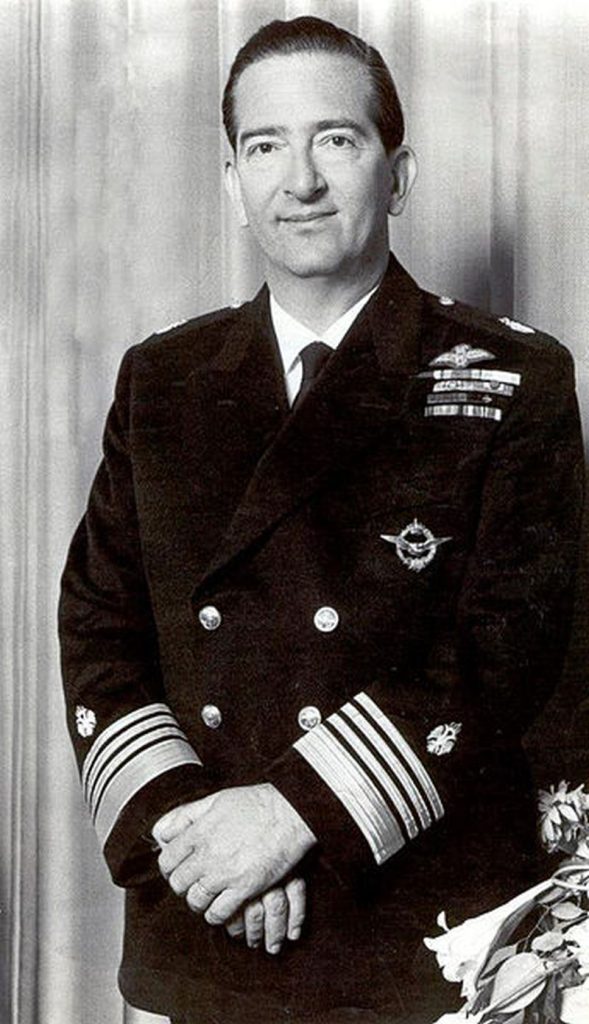
During his exile, King Peter II completed his education at Cambridge. He joined the British Royal Air Force. King Peter II was the only Yugoslav leader who had the opportunity to speak in the American Congress on June 25, 1942.
When King Peter II decided to marry Greek Princess Alexandra while the war was raging, a crisis arose in his relations with ministers and with Winston Churchill. The presidents of the exiled government, Slobodan Jovanović, Miloš Trifunović, and other Serbian politicians considered it inappropriate to marry during wartime. Queen Maria was also against the wedding, which led to the final breakdown of their relations.
Winston Churchill, although he supported the marriage of representatives of the Yugoslav and Greek royal dynasties, also opposed the King’s intentions. Ministers Juraj Krnjević, Juraj Šutej, and Miha Krek were neutral. On the other hand, Dragoljub Mihailović supported the King’s intention, and in June and July 1943, he collected signatures from Yugoslav citizens who agreed with the King’s decision.
The wedding took place in March 1944 at the Yugoslav embassy in Great Britain. Among the guests were only 19 Yugoslavs, including Trifunović’s successor Božidar Purić and Mihailović’s envoy Major Vojislav Lukačević, whom the King appointed as adjutant. The King’s best man was British King George VI. Only Foreign Minister Anthony Eden attended from British diplomacy. Churchill did not come, although he was invited. The King’s wedding was poorly received by the Yugoslav and world public.
How the Allies Interfered and Tangled All the Threads
The official story goes that King Peter II first supported the movement of Colonel, and later Army General Dragoljub Mihailović, and when the Allies turned to the partisan movement, King Peter II, under pressure, called on his supporters to join the NOVJ. According to the Tito-Ivan Šubašić agreement of 1944, the King transferred his powers to the three-member Regency in March 1945. Here is exactly what happened.
On April 13, 1944, Churchill informed King Peter II that if he did not remove Mihailović from the emigrant government, Great Britain would begin to treat the Yugoslav King and his government as collaborators of the Axis. On August 29, 1944, King Peter II issued a decree relieving General Dragoljub Mihailović of his duties as Chief of Staff of the Supreme Command in occupied Yugoslavia and placing him at the disposal of the Minister of War, Navy, and Air Force.
Under pressure from the British, King Peter II in September 1944 called on the Chetniks under the command of General Mihailović to place themselves under the command of Josip Broz Tito’s communist detachments, and condemned those who refused as traitors who “abuse the name of the King and the authority of the Crown.”
Belgrade was liberated from the Germans in 1944, and the question of the legitimacy of royal power immediately arose. The “Tito-Šubašić” agreement and the consent of King Peter II resolved this. A transitional government was formed, headed by Dr. Šubašić. By decree of King Peter II, General Mihailović was replaced as Minister of War and Navy and Marshal Josip Broz Tito was appointed in his place.
Šubašić met with Tito in Belgrade in early November 1944, and a new agreement was reached. According to this agreement, the King would not be allowed to return to the country until a plebiscite on the preservation of the monarchy was held. An agreement was reached to appoint a three-member regency council that would represent King Peter II during his absence from the country.
Neither the King nor the emigrant politicians wanted to accept the “Tito-Šubašić” agreement. Relying on American support, King Peter II did not want to confirm the agreement and dismissed Šubašić in January 1945. On the other hand, the Soviet Union and Great Britain were in favor of the agreement.
Therefore, Churchill forced King Peter II to accept the agreement. At the Yalta Conference, a decision was made to support a joint government, after which King Peter II relented. After prolonged pressure from the British and Americans to accept the fait accompli or everything would be decided without him, King Peter II appointed a regency council in early March 1945 and transferred all political powers to them. A provisional government was created, headed by Tito and Šubašić as Minister of Foreign Affairs. The government received international recognition.
Josip Broz Tito abolished King Peter II’s allowance in the summer of 1945, delivering the first blow to his otherwise unaccepted marriage. King Peter II traveled for a time with a Yugoslav passport, which Yugoslav diplomats reported to Belgrade via dispatches. At the time of his death, King Peter II allegedly also had an old Yugoslav passport, which he issued to himself, but it was not found.

Did the King Ever Abdicate?
In November 1945, the monarchy was abolished by referendum, and Yugoslavia became a one-party state under the rule of the Communist Party. Some historians consider the King’s decision to renounce his prerogatives and transfer them to the regency and government as abdication. However… Is that really the case?
In exile, King Peter II first lived in London with his wife and son Alexander, born in 1945. For Alexander, as heir to the throne, to be born on Yugoslav soil, the then British Prime Minister Winston Churchill declared apartment number 212 of the London hotel “Claridges” Yugoslav territory.
In fact, King Peter II never abdicated. This is claimed by certain historians whom I will list below. In exile, King Peter II lived in London with his wife and son, and spent the last years of his life in the United States.
According to the writings of historian Branislav Gligorijević, King Peter II told his brother: “I am the king of a misfortune…” This was, in a way, true. According to Mr. Dušan Babac, a member of the Crown Council, there is no information that King Peter II ever abdicated.
According to official documents from 1945, King Peter II abdicated at the beginning of that year, and then the Republic of Yugoslavia was proclaimed on November 29, 1945. However, according to the congratulatory message from British King George VI to King Peter II on the birth of his son, which states: “Sir, my brother and dear cousin, Your Majesty,” it could not be inferred that the King had abdicated.

Arrival in America Led Him to Mistress Mici Lou
King Peter II Karađorđević first came to the USA in 1954. It was then that he met Mici Lou, a Serb born as Milica Anđelković in Vrnjačka Banja in 1926, and married to an American of Chinese origin, doctor Frank Lou. She was, allegedly, also a great patriot. King Peter II could not resist her charms. While in America, the King stayed at the home of the married couple Lou.
When he separated from Queen Alexandra and when the Ravna Gora members in exile promised him in the mid-1960s that he would get a castle in New York on which would be written “Peter II, King of Yugoslavia,” King Peter II moved to the USA. The King had a company that failed due to his gambling debts. The press claimed that he lived off his mother Queen Maria’s inheritance and the help of emigrants. Stories say that the King ruined his health by constant drinking. He developed cirrhosis of the liver.
In 1967, his kidneys and liver became seriously ill. King Peter II came to St. Clare’s Hospital in New York, which was owned by Frank Lou, Mici’s husband, in February 1970 to have a liver transplant. He was admitted under the pseudonym Peter Petrović. The King was cared for by Mici and her husband, and he overcame the crisis. In mid-1970, King Peter II’s health worsened. He then wrote a will in which he authorized “benefactor Mici Lou” “to sell, lease and mortgage all or parts of” his property. At the same time, in the will, he requested to be buried in the USA, in the Serbian Orthodox Monastery of St. Sava in Libertyville. Incidentally, the King was politically active until his death, closely cooperating with the Serbian emigration. He was at the head of the Order of St. John of Jerusalem.
Death in Exile and Family Dispute with Mistress
King Peter II died on November 3, 1970, in Denver. He was seen off to the next world by Mici Lou and Petar Salata, who paid for the King’s funeral. Mici claimed that the dead King was robbed, leaving nothing, and that even his medals were taken. The family (wife Queen Alexandra, son Prince Alexander, and brother Prince Tomislav) demanded that the King be buried next to his mother, Queen Maria, in the royal cemetery in London. Mici Lou opposed this, citing the will. As usually happens, a court dispute arose, and the world’s tabloid press followed everything. While the dispute lasted, for a good two weeks, the body of King Peter II rested in the mortuary refrigerator. Mici Lou won the dispute, and King Peter II was buried in the Monastery of St. Sava in Libertyville. About 30,000 people attended the send-off of the Yugoslav king, plus 400 American pilots rescued by the King’s Chetniks. For years, the Serbian emigration gathered at this place. History records that King Peter II was the only monarchical ruler buried in the territory of the United States of America.
Rehabilitated King in His Own Country
The remains of King Peter II were exhumed on January 17, 2013, to be transferred to the Church of St. George on Oplenac. Upon arrival in Serbia, King Peter II rested in the court chapel of St. Andrew the First-Called, within the Royal Palace in Dedinje. A state funeral with four members of the Karađorđević family was held on May 26, 2013, on Oplenac. At his funeral in 1970 and in 2013, the same priest, Marko Todorović, conducted the service.
His wife, Queen Alexandra, whose remains were transferred from Greece, was also buried there.
King Peter II was rehabilitated by a decision of the Higher Court in Belgrade on July 10, 2015. An elementary school in Užice is named after the King.
The Karađorđević family and the Crown Council do not accept either the will or Princess Eva Maria. Despite two court cases that confirmed the authenticity of the King’s signature on the will, family members claim that the will was falsified. That is why the remains of King Peter II were transferred to Oplenac. This, according to some lawyers and historians, was a violation of his last will.

Is There Gold?
As for the story of tons of “national gold” that the royal family took with them when fleeing the country, it is covered in the book “Money in Yugoslavia During World War II” by Miodrag Ugričić.
Out of 204 crates of gold from the Užice branch of the National Bank, the Italians seized 179 crates with 8,393 kilograms of pure gold in April and May 1941. Of the remaining 25 crates, the Germans took four from Ostrog Monastery, one was taken by the Chetniks, eight were taken by the government, and six by the general staff, one was stolen, and five were seized by Ozna after the war.
The gold, packed in eight crates, which the Yugoslav government took with it from Nikšić when it left the country by military plane on April 15, immediately upon arrival in Cairo, was sent to the South African Reserve Bank, Durban, for the Bank of England, which calculated and made it available to the Yugoslav government on October 27, 1941. This refers to 13,995.713 fine ounces of gold. The six crates of gold belonging to the general staff, which some senior officers took from Nikšić airport on April 16, 1941, were not handed over to either the Yugoslav government or the Bank of England; the officers kept them for themselves.

In the first years after losing the crown, the King lived on 40,000 pounds he received from his government and 30,000 pounds of his savings. When money ran out in the early 1950s, the King began to sell family valuables that he had managed to take out of the country.
MORE TOPICS:
BAD NEWS FOR BIDEN: Former president diagnosed with progressive prostate cancer, spread to bones!
MYSTERIOUS MISS V: How a wealthy Canadian woman ended up fighting for Serbia in WWI! (PHOTO)
WONDERFUL ROMAN BRIDGE ON GOLIJA: 30,000 eggs were needed to build this monument! (PHOTO)
Source: Nataša Ilić / MediaSfera; Foto: Wikimedia Creative Commons
 Add Serbian Times as your Google source