




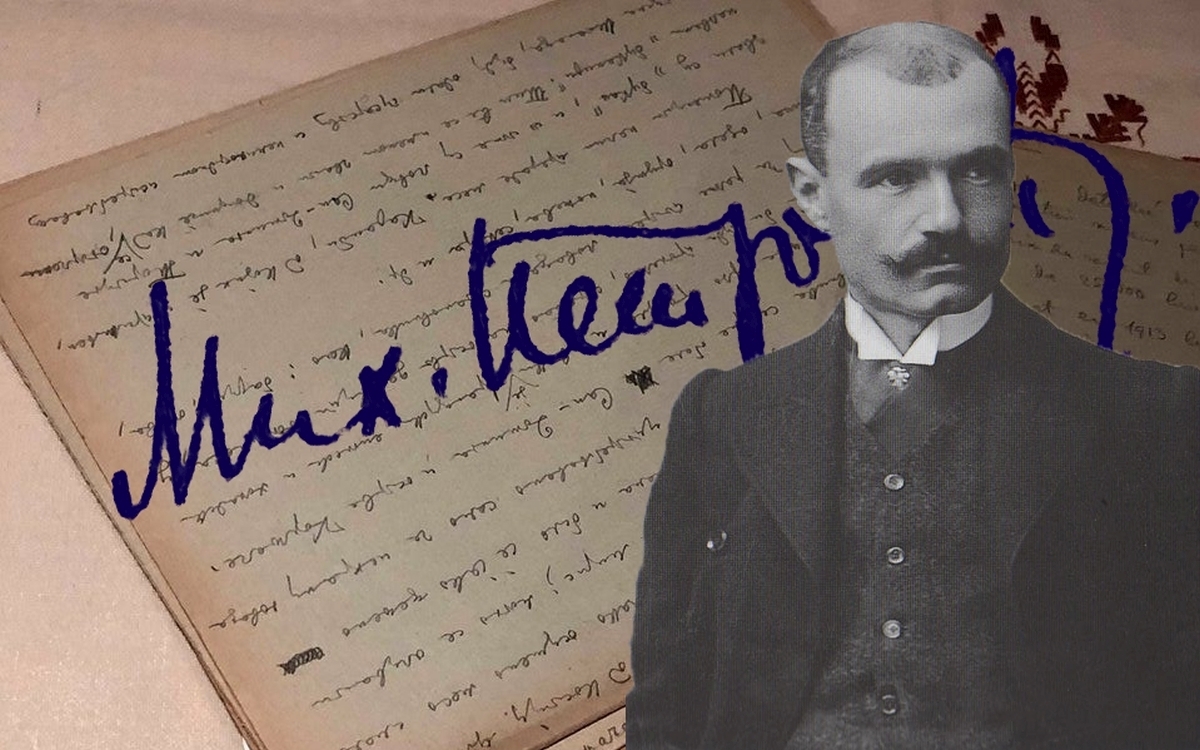
Mihailo Petrović, known as Alas (Fisherman), was one of the most remarkable Serbs in history by education and achievements. A world-renowned mathematician, professor, scientist, and inventor, he nevertheless earned his nickname from his favorite hobby, fishing.
He was born in Belgrade in 1868. The house where he grew up was located not far from the Patriarchate. Although altered several times, it forever retained only one recognizable detail – a carp relief on the door.
As a boy, he was weak and sickly, so fresh air was recommended to him whenever possible. To comply, his maternal grandfather Novica would take him to the river, claiming that “Air by the water cements the lungs.” Mihailo began to become acquainted with the world of fishing, and the fishermen would affectionately give him the nickname Alas.
Mika finished the First Belgrade Gymnasium as one of the students of Professor Kosta Vujić. In the fourth grade, he built a chemistry laboratory in his house where he independently conducted experiments. During this period, he vowed to actually study chemistry. However, chemistry was only one of his loves, and in the next phase, mathematics prevailed. He enrolled in studies at the University of Belgrade.
When the decision had to be made about where Mika Alas would further his education, the influence of his grandfather Novica was crucial. As he knew Jevrem Grujić, our envoy in Paris, the grandfather suggested that very direction. “I will work with the government for a state scholarship, and you study in the meantime,” he told his grandson. He was chosen among hundreds of candidates and was the first foreigner to enroll in the École Normale Supérieure. He would earn his doctorate in mathematics in 1891, and two years later he also passed his doctorate in physics.
As the top student of his class, he was twice invited to a formal reception by the French President. Mika Alas informed his grandfather about this event with the following words:
“I have news for you: this year too, as last year, I was invited with four other friends from this school to the President of the Republic’s party, which will be in three weeks. Please don’t tell anyone about this, because few of those who saw me barefoot last summer, with torn trousers carrying those pikes I caught in Makiški vir, will believe you.”

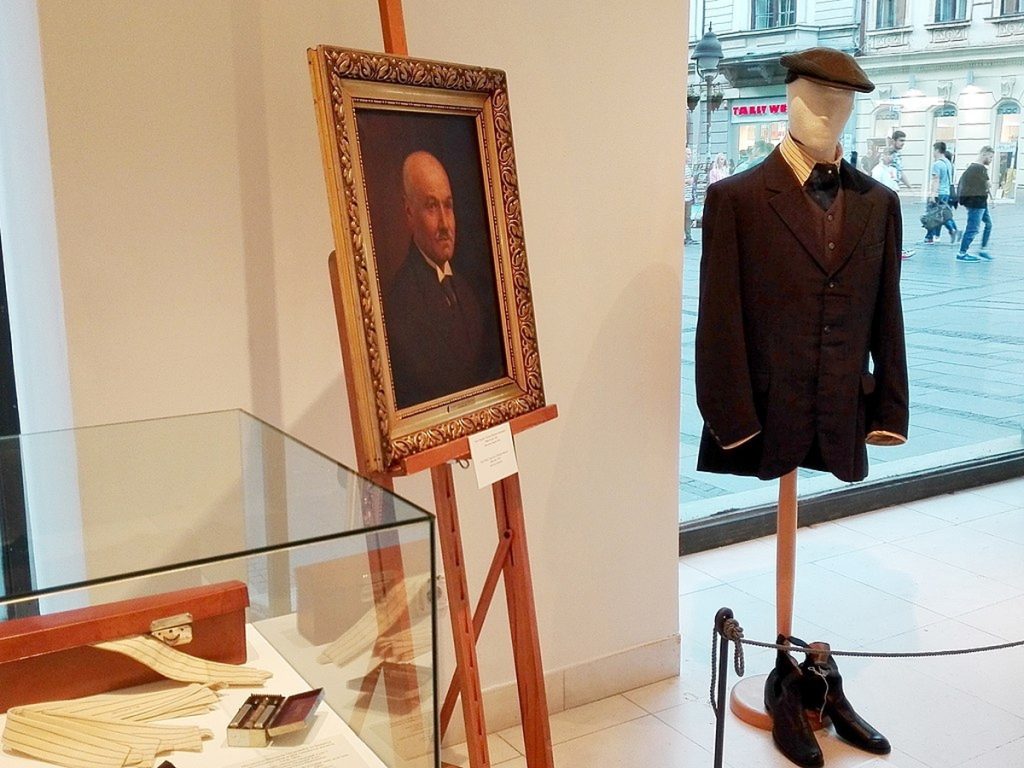
Immediately upon his return to Belgrade, he became a professor of mathematics at the Great School, and soon after a regular member of the Serbian Royal Academy. He was considered one of the world’s leading experts in differential equations. He published numerous scientific papers and was also the creator of several inventions. For one of them, the hydrointegrator, he won a gold medal at the World Exhibition in Paris in 1900.
Listing all the achievements of Mika Alas would require a reminder. However, one diploma was particularly dear to him personally. Connoisseurs claim that, of all the recognitions, he kept only one on the wall in his room, and that was the “Certificate of the commission for the passed master’s exam for a fisherman.”
Although a world-renowned scientist, respected and recognized by his contemporaries as one of the most educated people of his time, in his heart he was always primarily a fisherman. As he himself claimed: “If he hadn’t studied, he would have spent his life in a boat, on the river.”
He participated in drafting the law on fishing, and in 1911 at the exhibition in Turin, he won a gold medal for the exhibited fishing exhibits. The following year, he reached a personal record – he caught a catfish weighing 120 kilograms. He always carried a photo with his trophy with him. His diverse catch was repeatedly preserved as a memento.
He traveled all over Europe and even managed to visit the North and South Poles. He also tried his hand at writing travelogues, and one of his more famous ones is “The Eel Novel.”
FIND OUT MORE IN SERBIAN:
Mika Alas was also a famous violin virtuoso. He gladly performed with his orchestra called “Suz” (Weeping Willow). They created an excellent atmosphere, which was most often accompanied by fish soup.
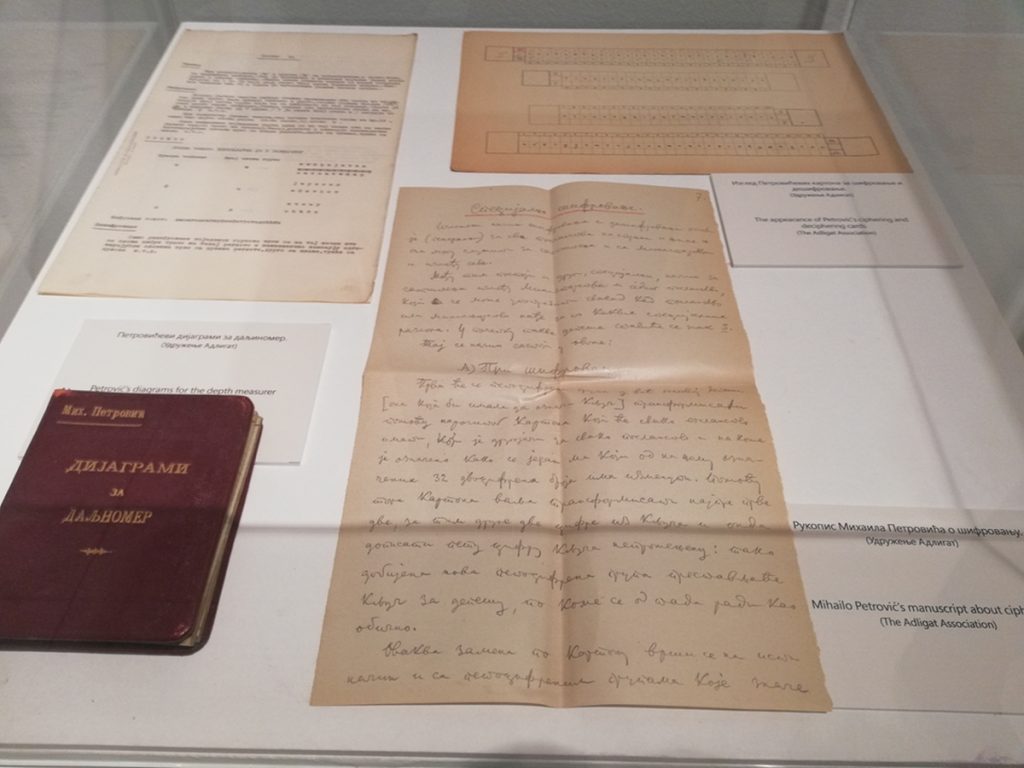
He was 73 years old when he was mobilized on the eve of World War II as an expert in cryptography. His codes had been used multiple times in the military for years prior. In 1941, he was captured in Sarajevo, but was released a year later due to illness. He passed away in 1943, and his greatest friends, the fishermen, carried Alas to his final resting place on their arms.
MORE TOPICS:
Source: Opanak; Photo: Wikimedia Creative Commons
 Add Serbian Times as your Google source